
DIY Thermal Targets: Every Hack Tested (Hand Warmers, Foil, Torched Steel)
The most common DIY thermal targets are hand warmers, foil or HVAC tape, torch-heated steel, hot water, and ice packs, and every one works for a few minutes under the right conditions. Each hack fails the same three ways: the signature blooms bigger than the aim point, it fades before the session is over, and it dies in the exact cold, cloudy, or dark conditions you bought a thermal for.
Below is every DIY hack shooters actually use, the failure mode of each, and the point where buying beats building.

The full DIY thermal target list, ranked by how long each lasts
Hand warmers taped to cardboard. The universal default. Open them 30 to 60 minutes early, tape to cardboard, aim at the blob.
Hand warmer in a box. Cut a 1" hole in a box, tape the warmer 4 to 5 inches behind it. The box masks the bloom.
Foil or HVAC tape. A 2" square on cardboard, board tilted back to reflect the cold sky.
Torch-heated steel. Hit a plate or gong with a propane torch until it glows in the optic.
Hot water. Fill a tin can from a thermos and shoot before it cools.
Ice packs. Run the optic in black-hot and aim at the cold spot.
None of these survives a full session. Here is why, hack by hack.
Why hand warmers make a blurry thermal target
Hand warmers are cheap and they work, which is why everyone starts there. The complaints are universal: the heat bleeds into the cardboard and a 1" square "turns into 6 inch blobs of heat," which is how a one-shot zero becomes an 18-shot zero. They take half an hour to activate, and "one good hit and it's done."
The hand-warmer-in-a-box trick genuinely fixes the bloom. It is also a 20-minute craft project you rebuild every trip, and the warmer inside cools on the same clock. Full breakdown in hand warmer thermal target problems; for the zeroing process itself, see how to zero a thermal scope.
Does foil tape work as a thermal target?
Sometimes. Foil doesn't make heat; it reflects the sky. On a clear day with the board angled right, the contrast is excellent. Under overcast, in shade, or at night, there is nothing to reflect. One shooter's summary: "hand warmers to tin foil cut into 2"x 2" squares I tried those, but they don't seem very precise and tinfoil doesn't work very well unless the sun is hitting it pretty good."
The physics is emissivity. Bare steel and foil sit around 0.1 emissivity while human skin is about 0.98, so unheated metal barely radiates and only shows what it reflects. The same number explains why steel targets are invisible to thermal. A winter field report says the rest: "tinfoil did not work @ 6 degrees and snowing." Foil fails hardest in exactly the conditions hunters hunt in — more in thermal targets in cold weather.
Torched steel: the hack that almost works
Torching a steel plate is the closest DIY gets to a real thermal target. Thick steel holds heat, the whole silhouette glows, and hits flash bright in the optic.
The failure mode is labor and duration. One long-time user: torching steel "was a bit time consuming, I went through a lot of propane, and it often resulted in uneven temperatures across the target and wouldn't last very long on cold nights." A torched washer is "good for 10 minutes," and torches don't light easily below freezing. You end up walking downrange with a torch every 15 minutes.
This hack points straight at what a purpose-built heated target is: steel that heats itself, evenly, for hours. That category is explained in what is a heated thermal target.

Hot water, ice, and the rest of the jank inventory
Hot water in a tin can cools fast: "a quick run back to get a shot before it cools" is the actual workflow. Ice in black-hot mode is a real trick because cold doesn't bloom, but an ice pack leaks after the first hit. Cigarettes in foil, batteries in tinfoil, tea bags, MRE heaters: all show up in a thermal, all dead within minutes or one hit.
One Sniper's Hide poster closed the debate: "theres million damn things that will work for a thermal target from hot hands, ice cubes, hot liquid. cold liquid, glittery sprinkles yada yada.... theyre all finite in use and life span. steel lasts indef and gives you instant feedback."
DIY vs heated steel: the numbers
Method | Cost to start | Usable heat time | Works overcast/night? | Survives hits? |
Hand warmer on cardboard | ~$1 | 30–60 min useful, blooms | Yes, but blooms | No, "one good hit and it's done" |
Hand warmer in a box | ~$1 + 20 min build | Same warmer clock | Yes | Box degrades per hit |
Foil / HVAC tape | ~$8 for 50 yards | Only while sky cooperates | No | Re-tape every session |
Torched steel | Steel + propane | 10–15 min per torching | Yes | Yes, but you re-torch |
Hot water can | Free | Minutes | Yes | One hit |
Ice pack (black-hot) | ~$1 | Until it melts or leaks | Yes | One hit |
DRX1 Solid Fuel Thermal Optic Target | One purchase | 3+ hours per charcoal load | Yes | AR500 steel |
DRX1 Electric Thermal Optic Target | One purchase | 5 hours per charge at 100 W | Yes | AR500 steel |
The DIY culture is real: "50 Yards of target material for $8 from Home Depot..... GO FORTH AND CREATE FOR PENNIES!" If you shoot thermal twice a year, pennies win. The math changes when you shoot every week and rebuild the rig every time.
When to stop building and buy a heated target
Buy when any of these is true: you shoot thermal more than a few times a season, you need the target visible past 200 yards, you shoot in winter or at night under cloud, or you want to leave targets set up instead of building one per trip.
There are two purpose-built routes, compared in electric vs solid-fuel heated targets:
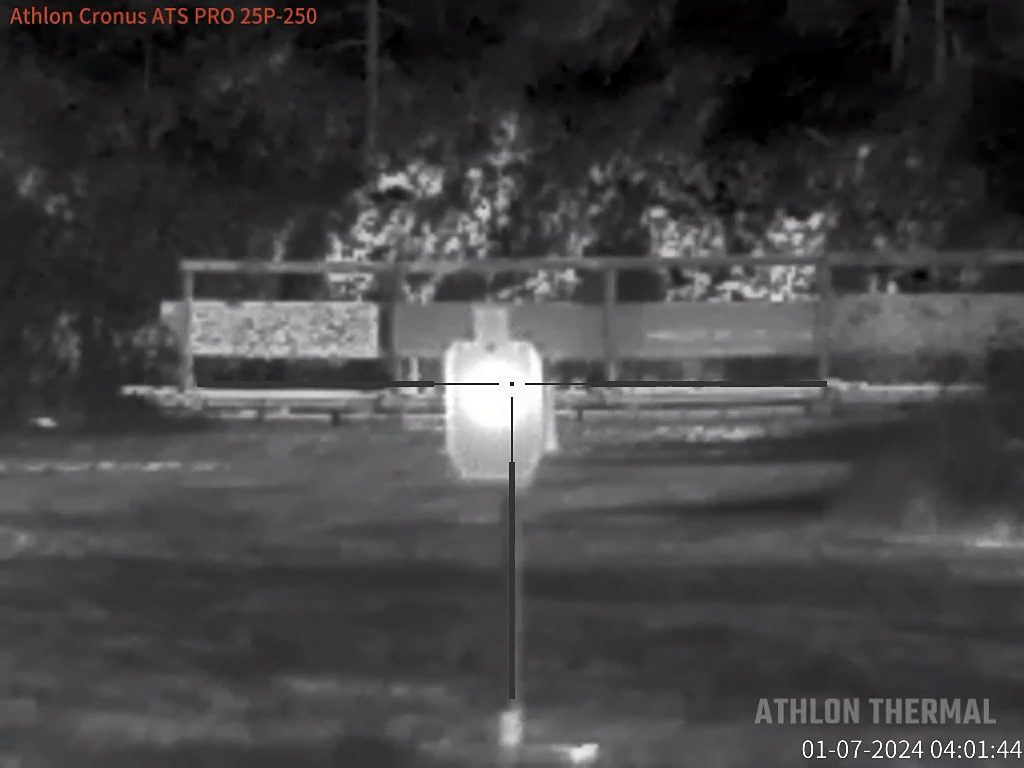
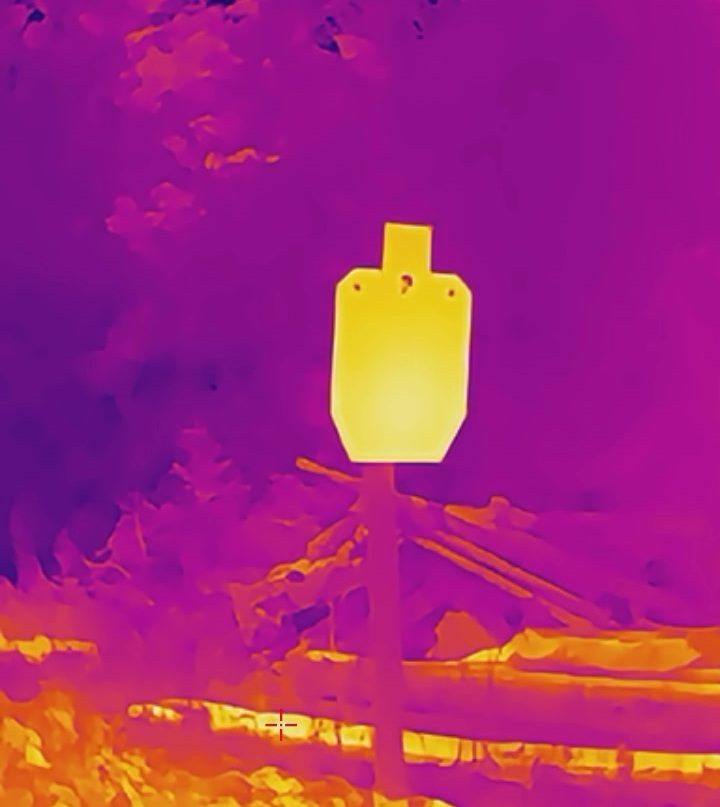
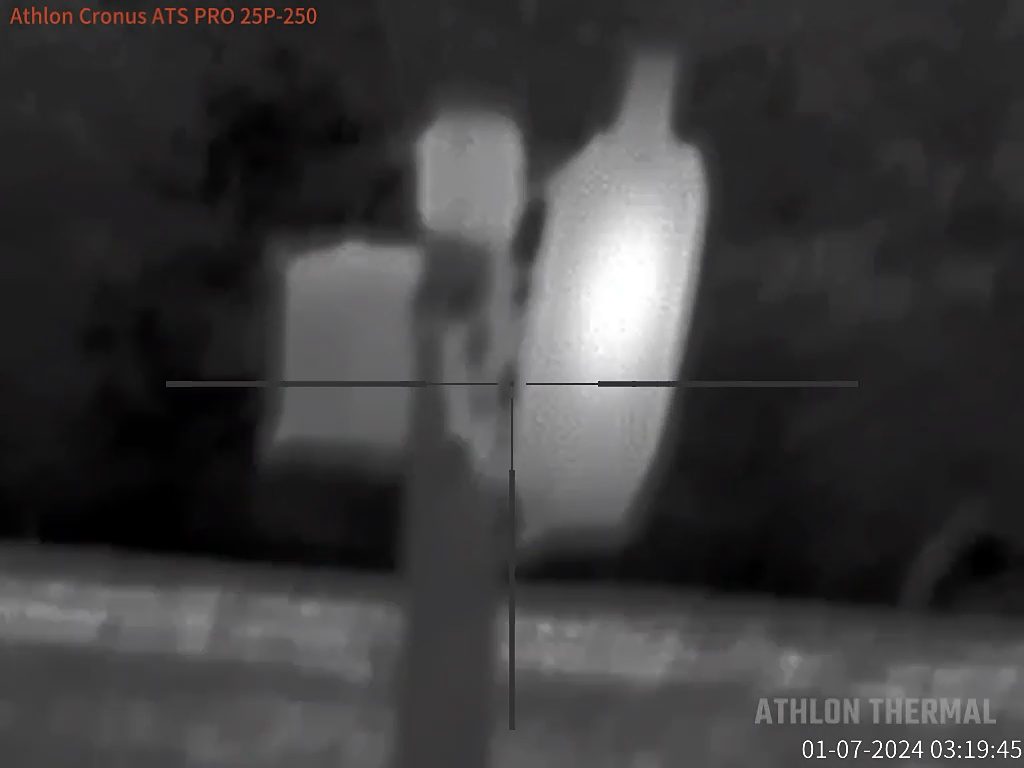
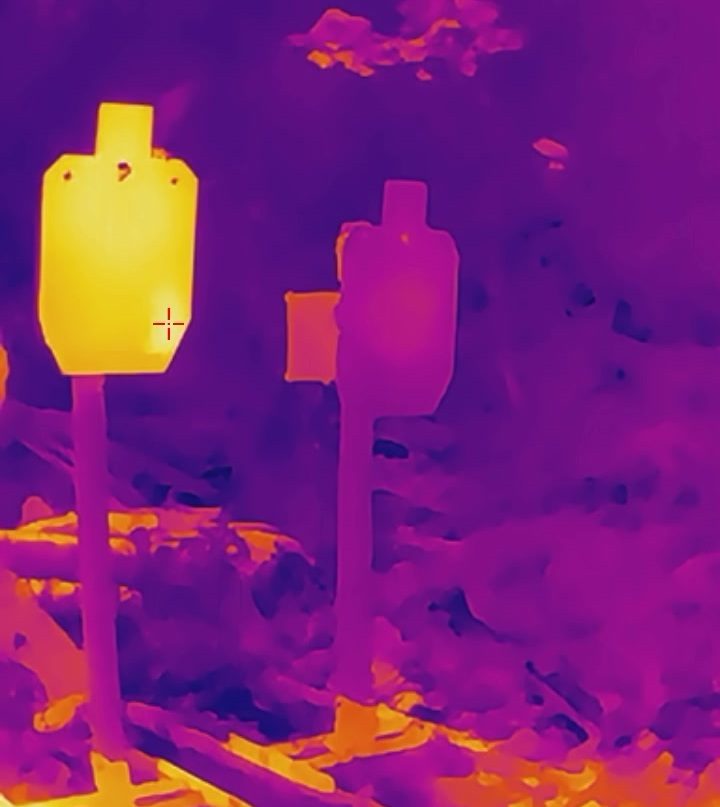
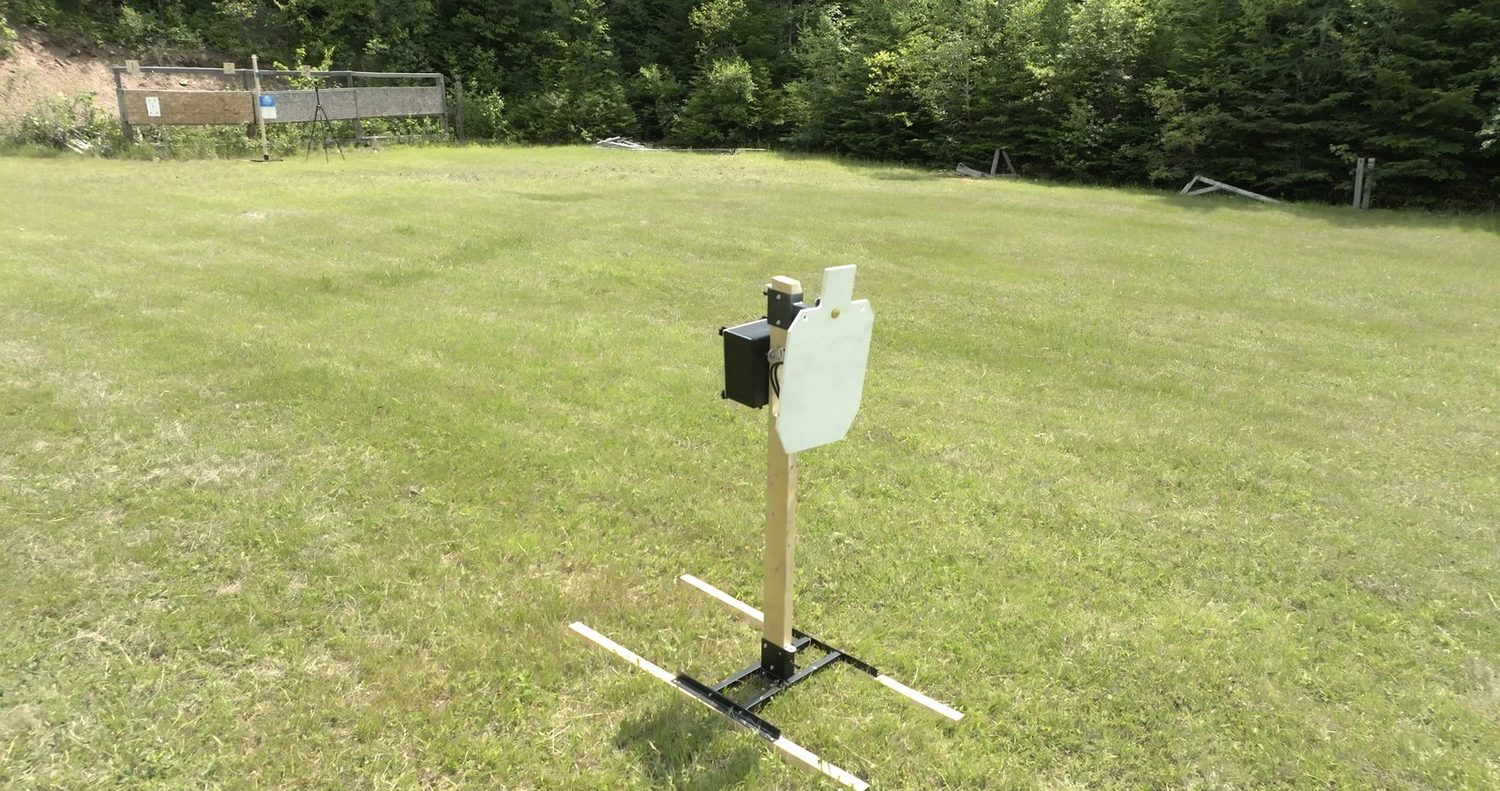
DRX1 Solid Fuel Thermal Optic Target — a welded steel firebox that bolts to the upper holes of an unmodified 66% or 100% IPSC silhouette, no drilling, no tools. Burns regular retail charcoal briquettes for 3+ hours per load, unattended, holding the plate at least 20°C above ambient across 75%+ of the target face. No batteries, no electronics, hard ceiling under 200°C so AR500 never tempers. Built for short-range sport and training. See heated target vs flare target.
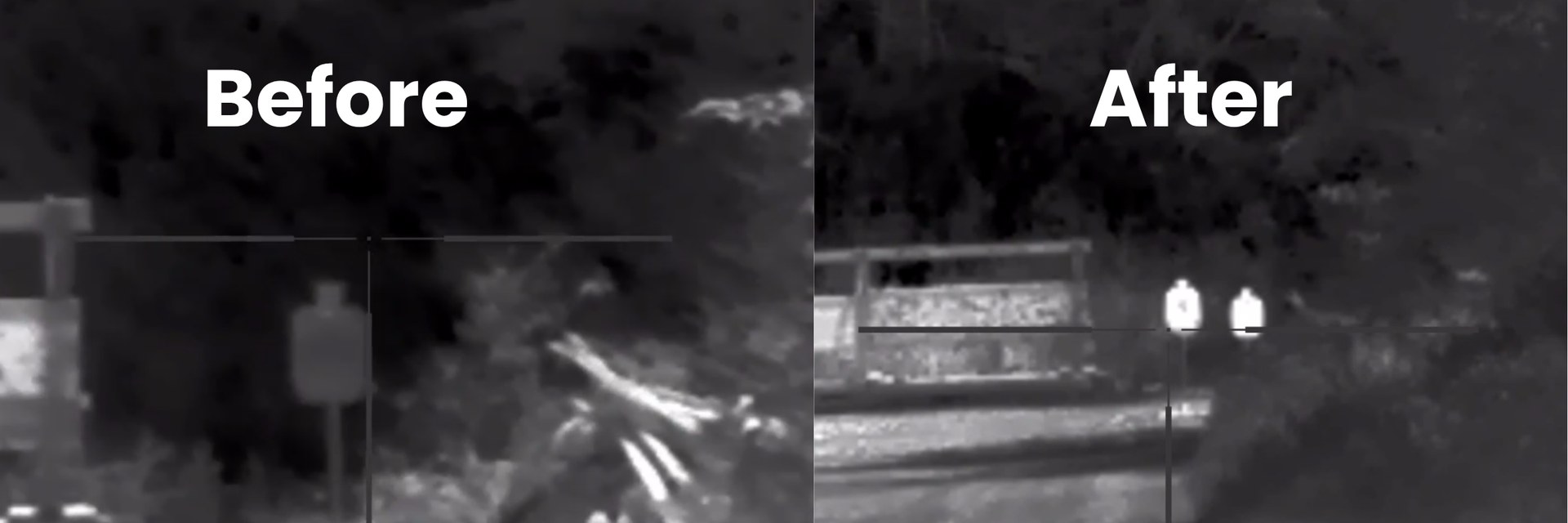
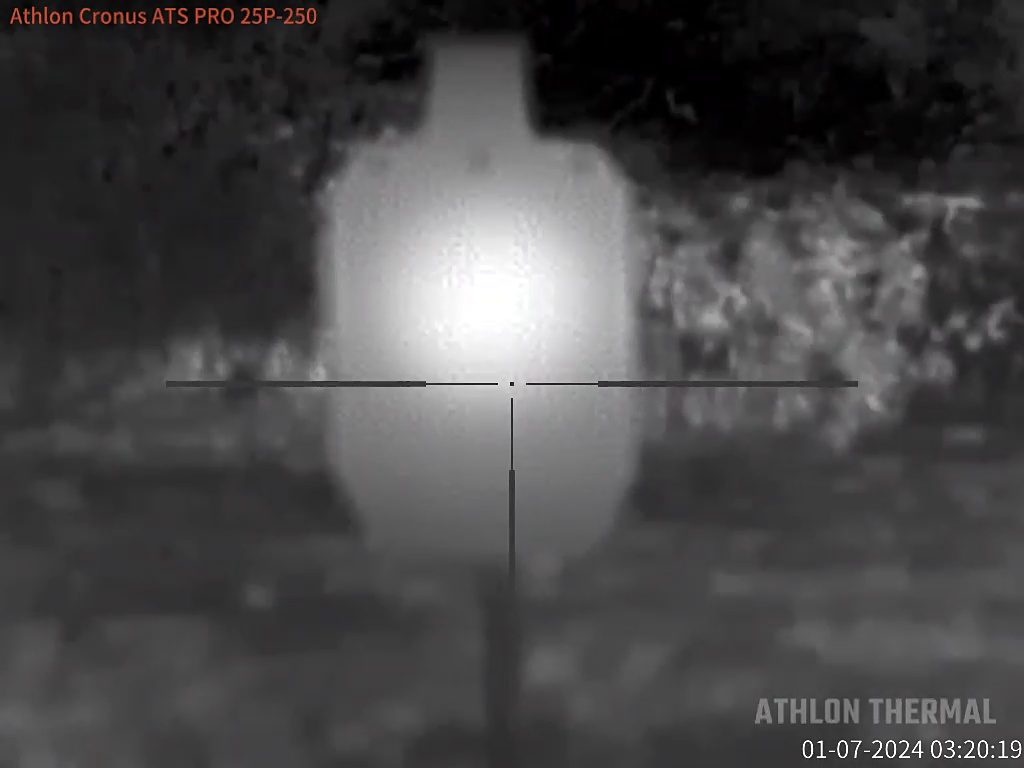
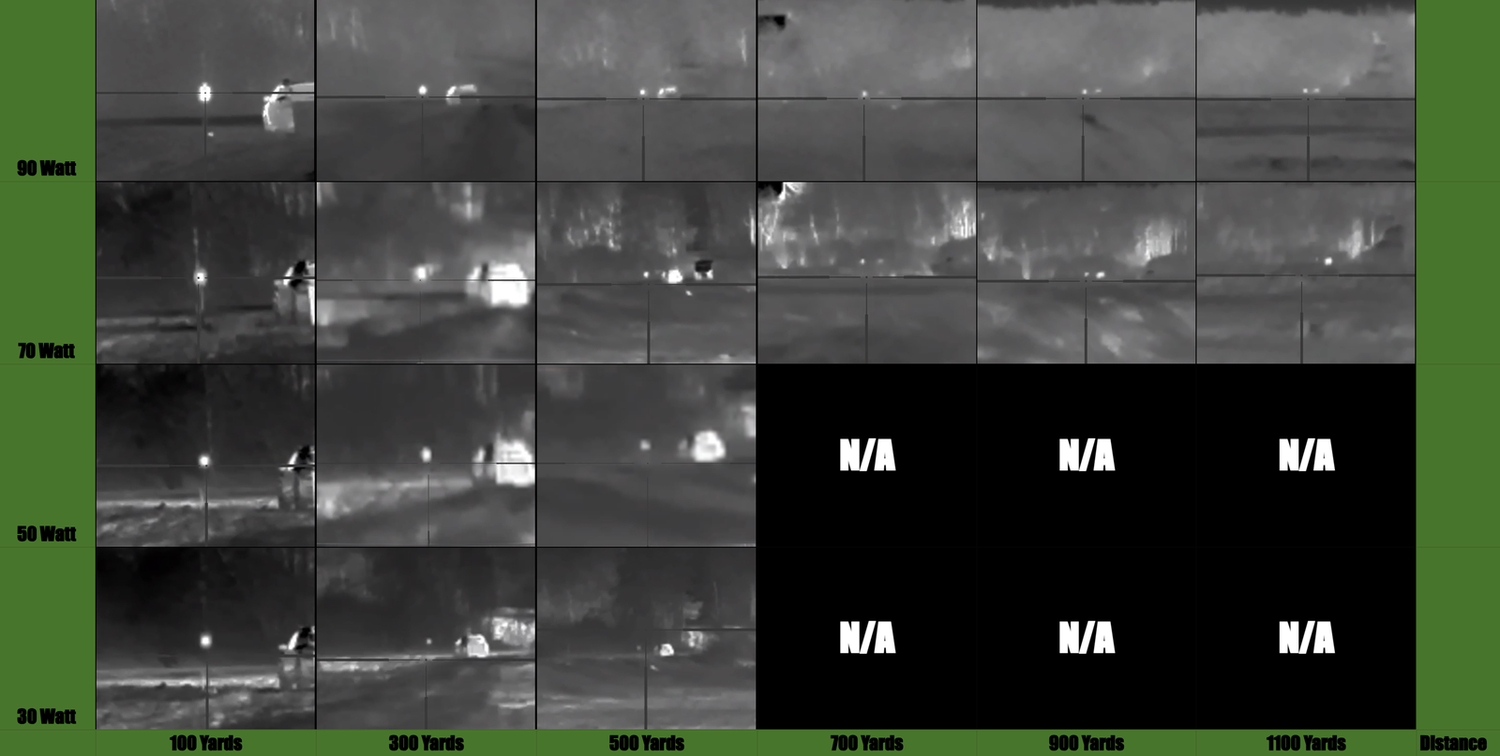
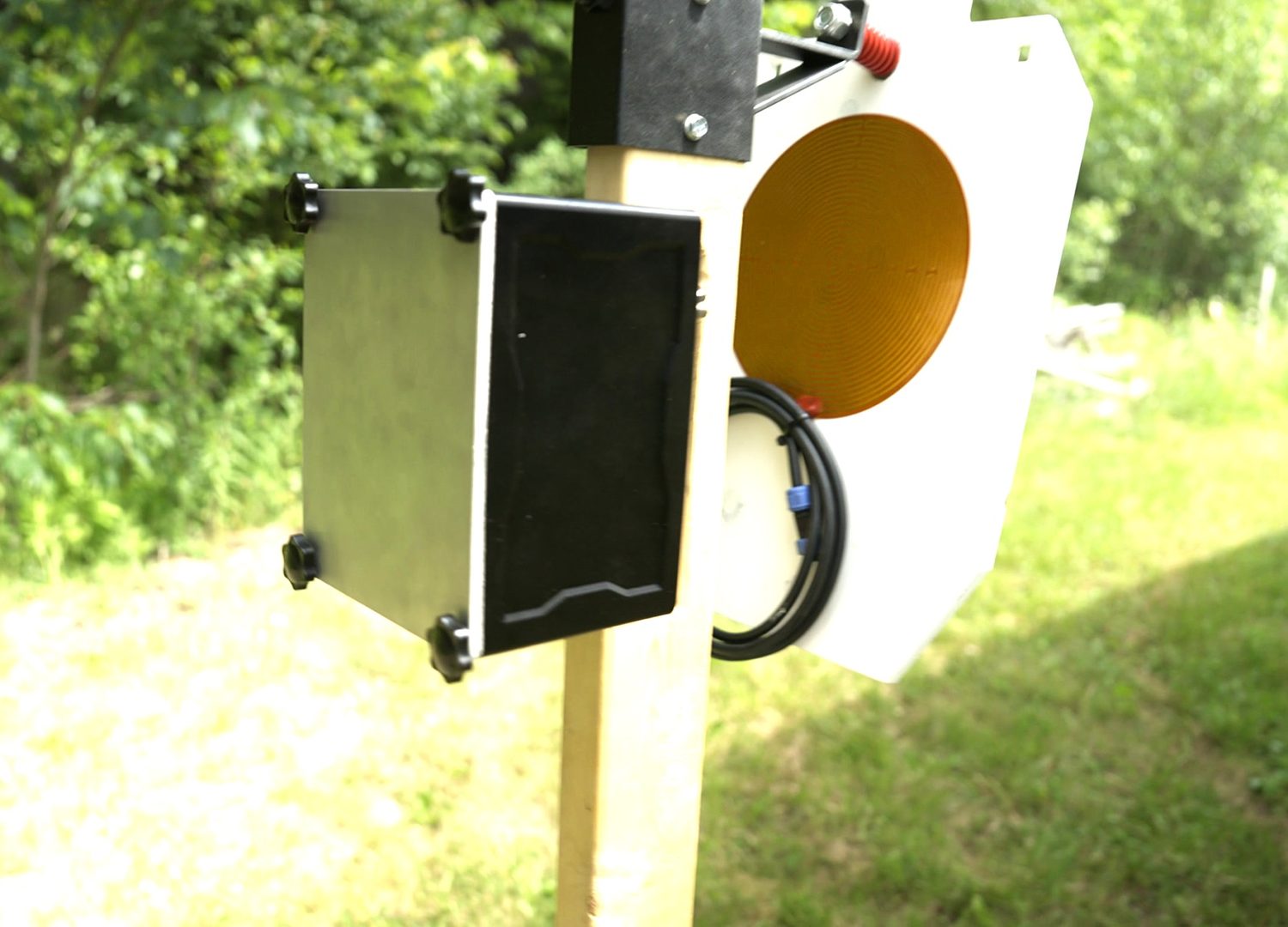
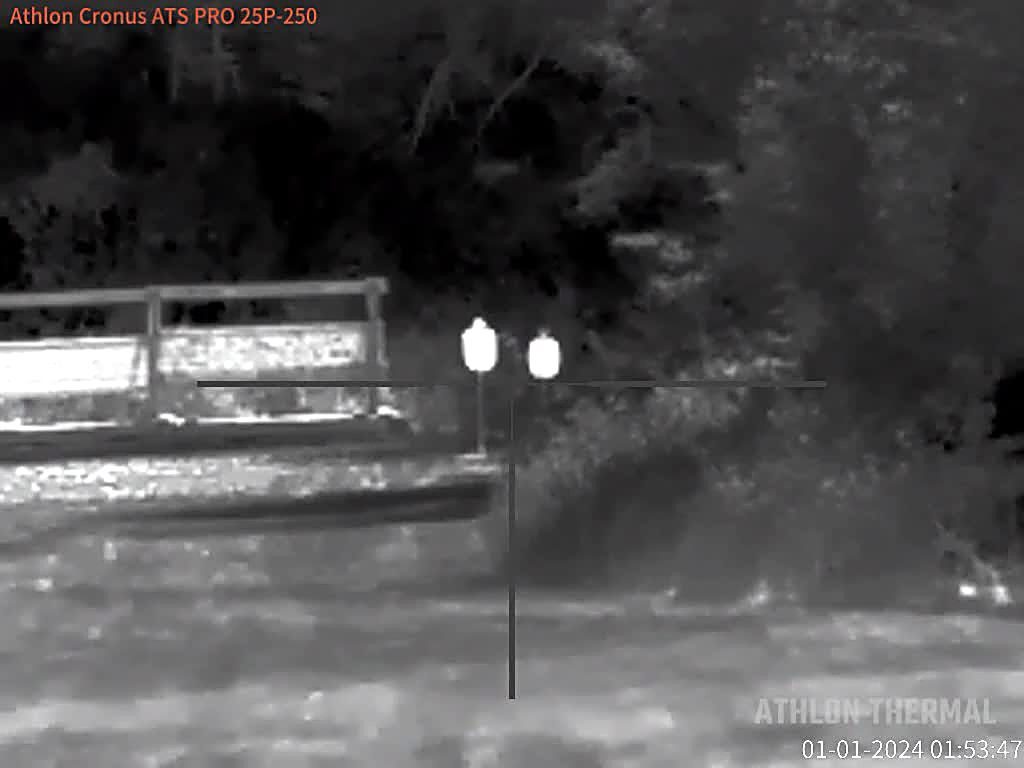
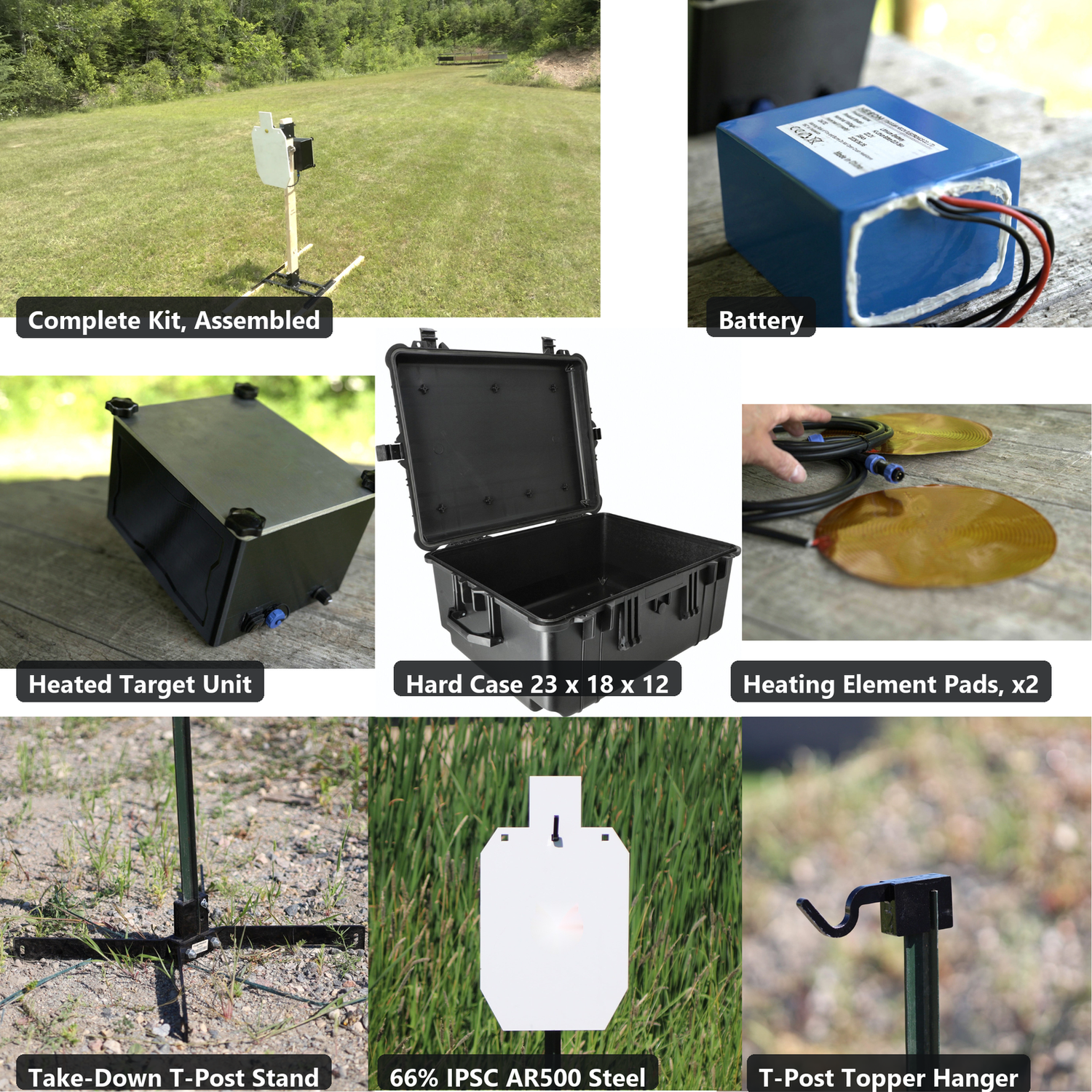
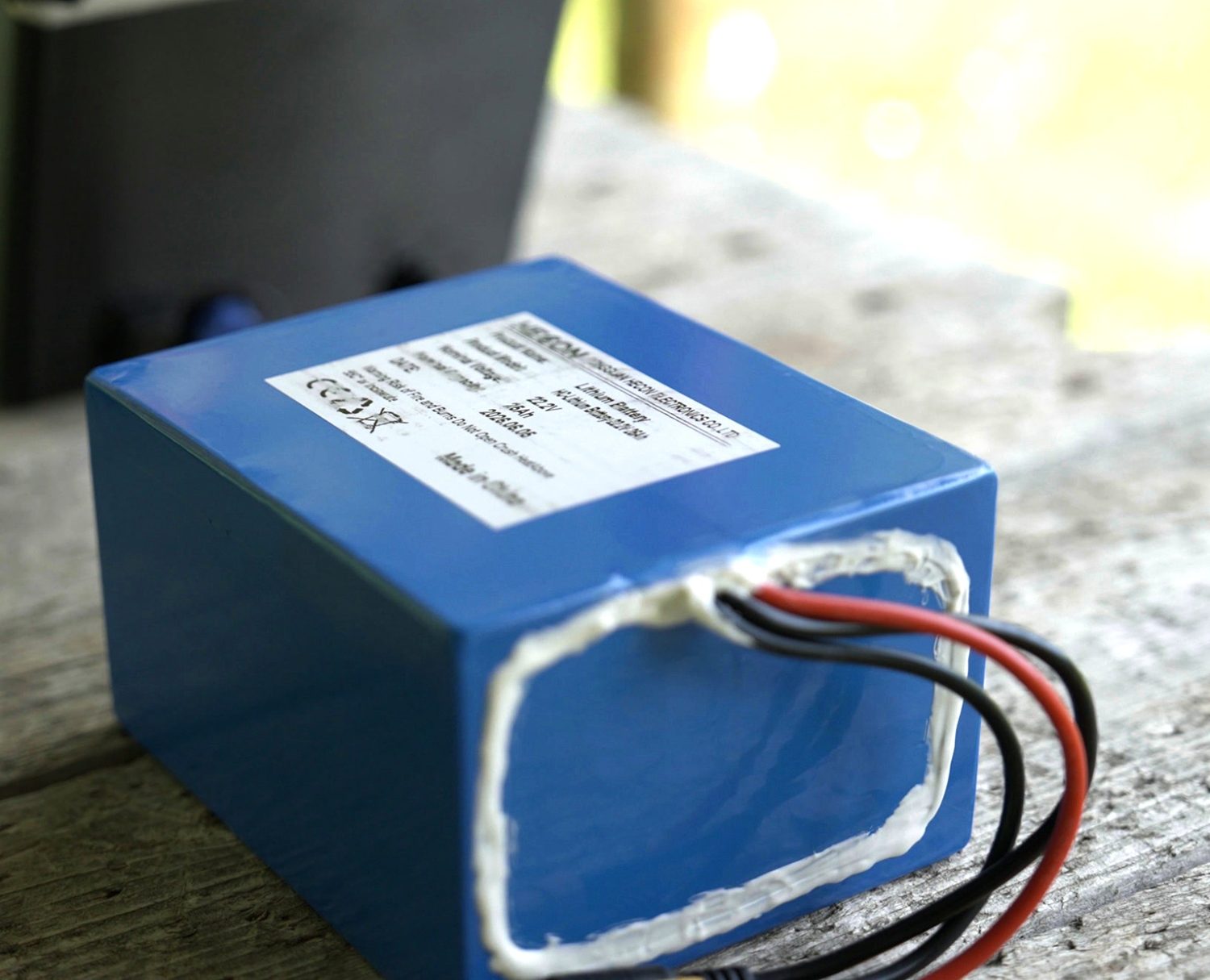
DRX1 Electric Thermal Optic Target — the temperature-controlled flagship. Dial the plate anywhere up to ~100°C and hold it for 5 hours per charge at 100 W; recharge takes about 6 hours. Proven outdoors at −10°C on 30 W. As a full warm human silhouette, it out-glows a human at 300 m, is unmistakable at 400 m, and visible at 600 m. This is the one for long-range and precision work, including sniper and military thermal training.
For the wider market, see best thermal targets in 2026, thermal targets for night hunting practice, and thermal targets in Canada.

Key numbers:
Bare steel/foil emissivity: ~0.1. Human skin: ~0.98.
Hand warmer: 30–60 min to activate, then a fading blob. Torched washer: ~10 minutes.
DRX1 Solid Fuel Thermal Optic Target: 3+ hours per charcoal load, ΔT ≥ 20°C above ambient, sub-200°C hard ceiling.
DRX1 Electric Thermal Optic Target: set temperature up to ~100°C, 5 hours at 100 W per charge, ~6 hour recharge, tested at −10°C.
Visibility (Electric): out-glows a human at 300 m, unmistakable at 400 m, visible at 600 m.
Does it work 24 hours? Does humidity affect it? Does it work in the dark or when it's cloudy?
A heated steel target radiates its own heat instead of reflecting the sky, so dark, overcast, fog, and snow don't matter. A plate holding 20°C or more above ambient reads clearly in the same conditions where foil tape "did not work @ 6 degrees and snowing." Any rain is fine — it just can't go underwater.
Why not just tape hand warmers to the target?
It works for a few shots. But the warmer blooms into a "6 inch blob," fades on its own clock, and one good hit finishes it. A heated target warms the whole silhouette evenly for 3 to 5 hours and survives the hits.
How long does the battery last on the electric target?
Five hours per charge — 5 hours at 100 W holds a 66% IPSC plate at 100°C, and recharge from dead takes about 6 hours. At −10°C the target held a clear signature drawing only 30 W.
Tried heating targets in negative temps — everything cools too fast. Does this actually work in real cold?
The DRX1 Electric Thermal Optic Target was tested outdoors at −10°C and the silhouette popped clearly against the cold background at 30 W of output. Cold actually helps: the colder the background, the harder the contrast.
Can I use the steel targets I already own?
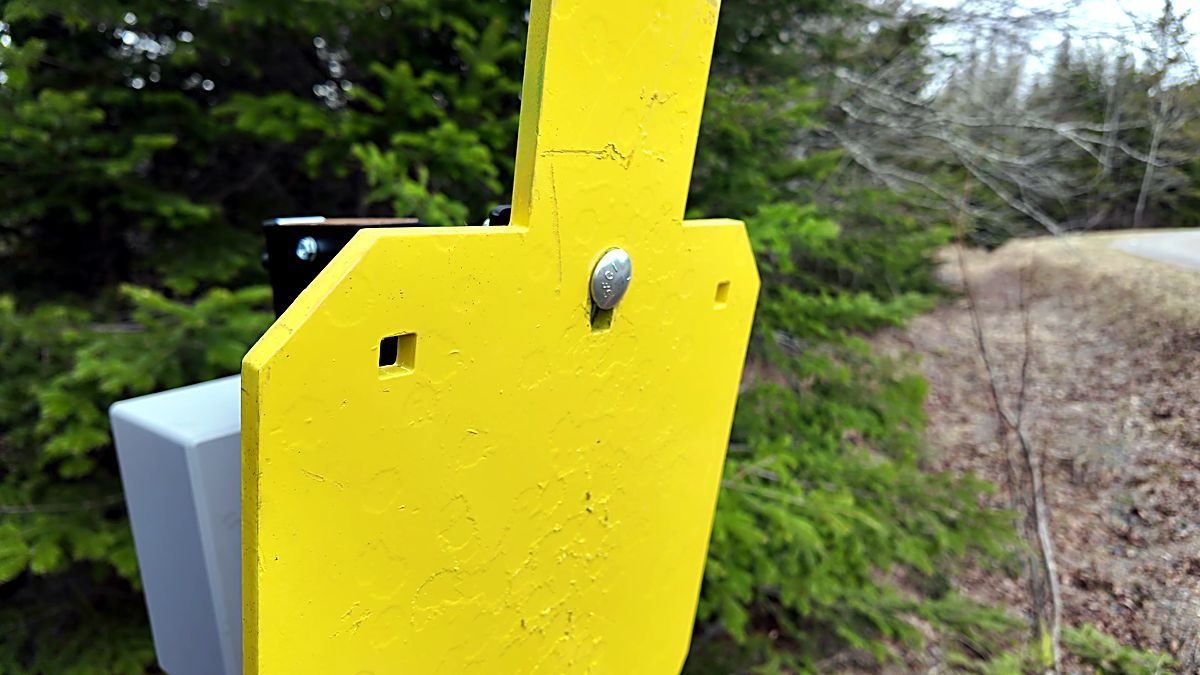
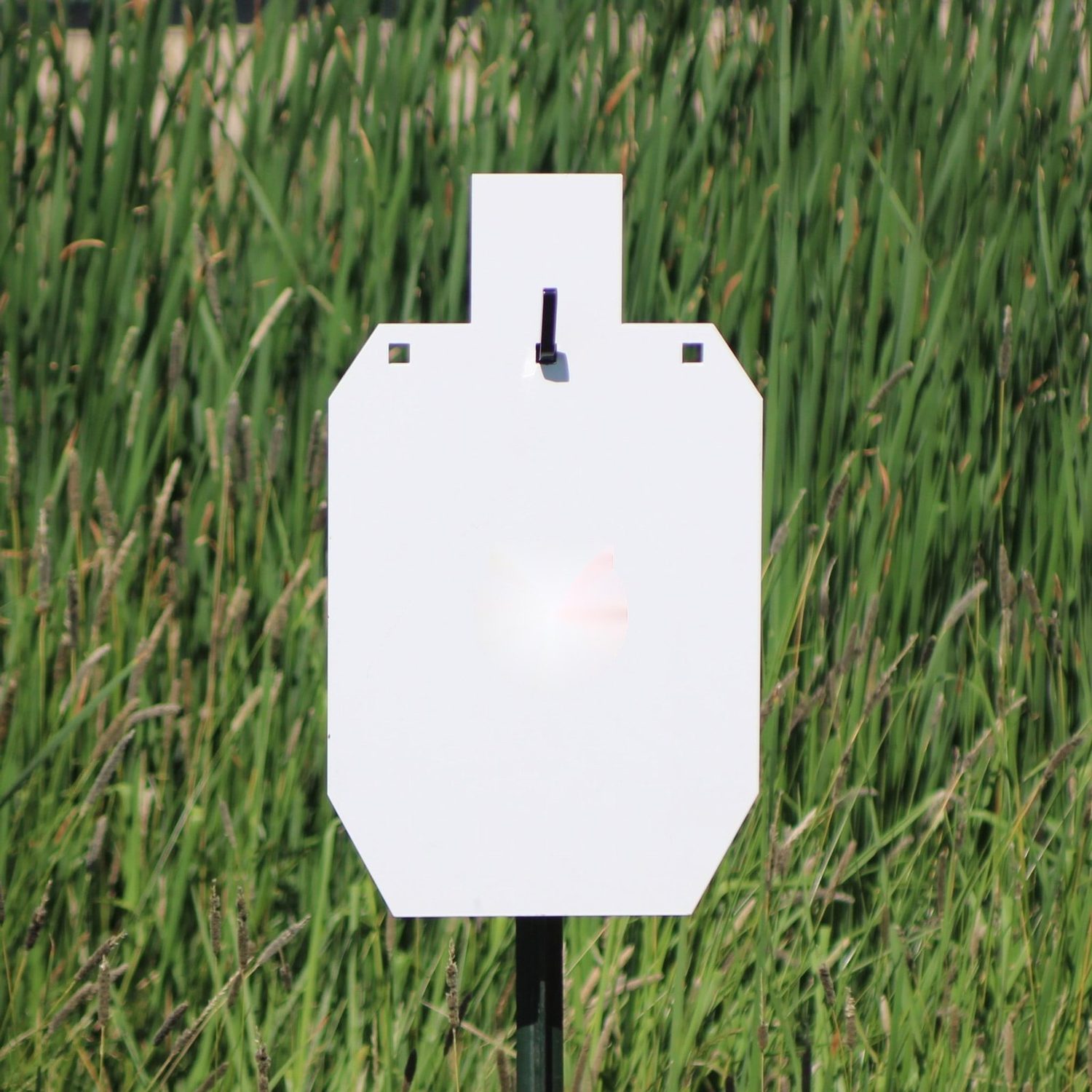
Yes. The DRX1 Solid Fuel Thermal Optic Target bolts to the existing upper mounting holes of an unmodified IPSC silhouette, 66% or 100%, with no drilling and no tools. It works with T-post and chain mounting.


Comments