
Military Thermal Targets: How Snipers Train on Heated Steel
Updated: Oct 3
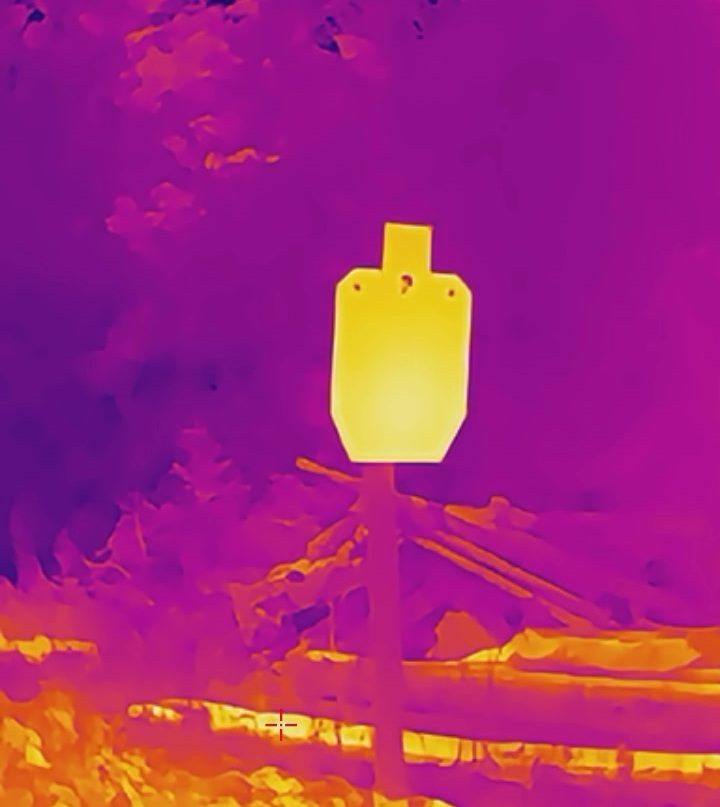
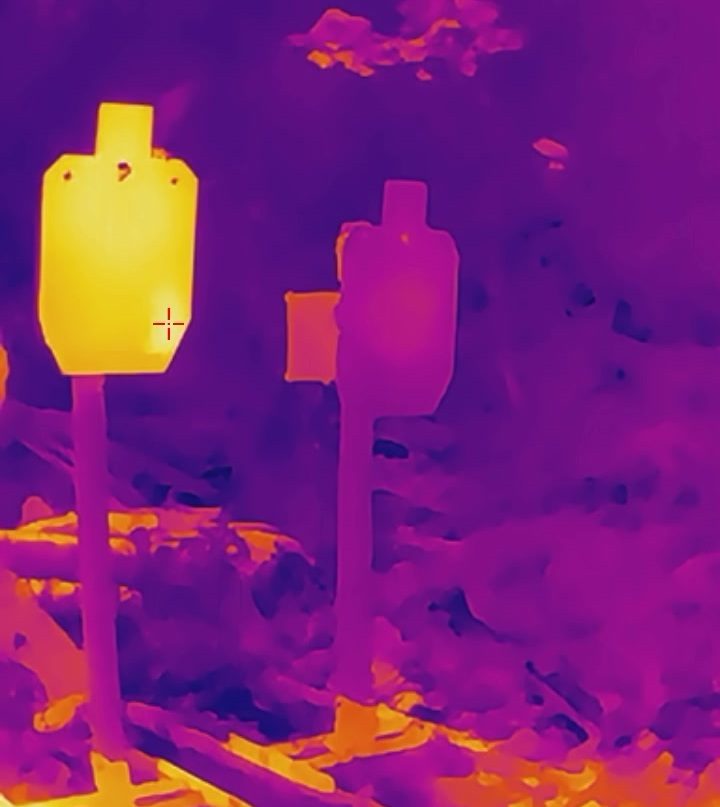
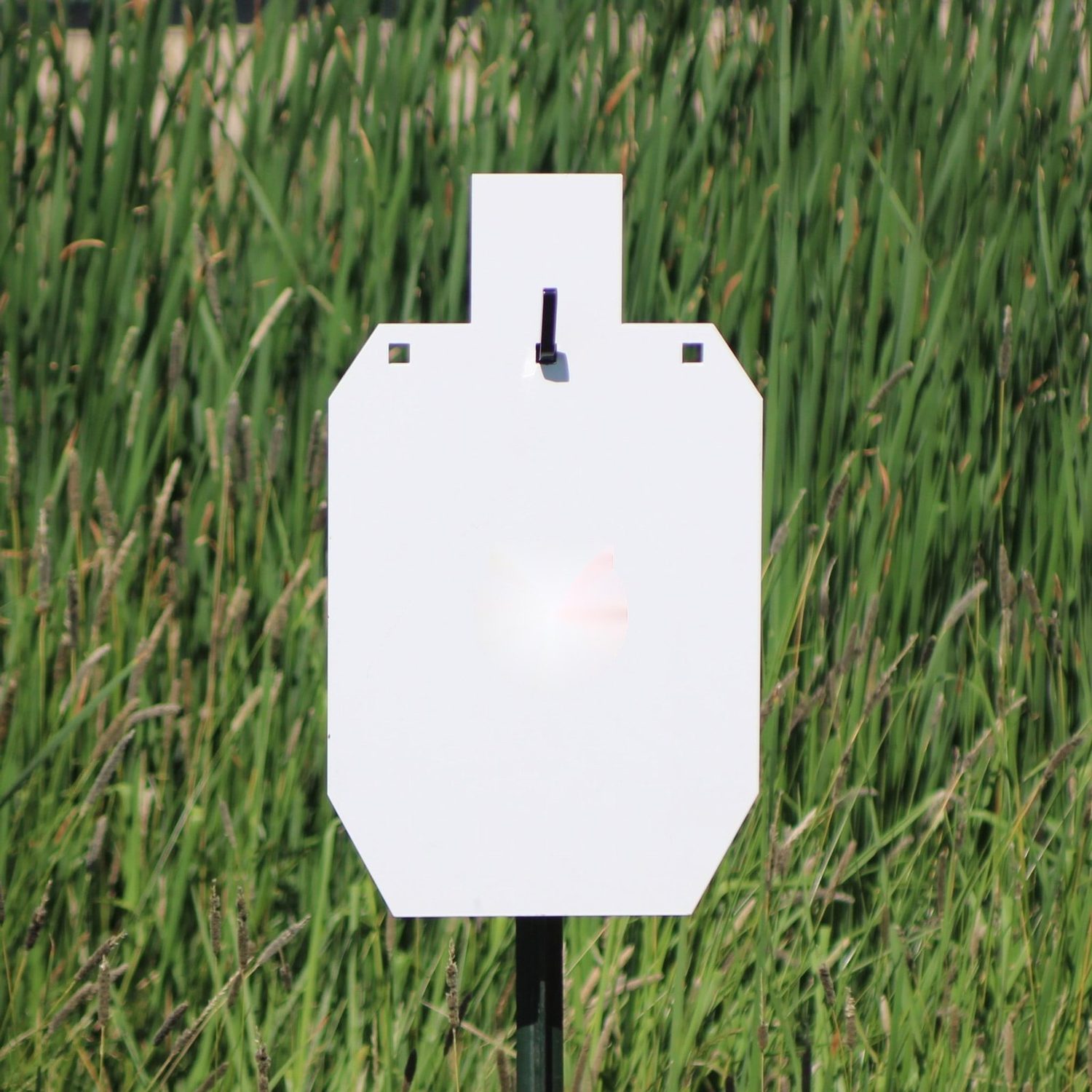
Military thermal targets are steel silhouettes heated so they read as a warm human body through a thermal optic. Militaries have spent billions on thermal scopes and clip-ons, but most units still zero and train on targets that produce no realistic heat signature at all. Heated steel closes that gap: a powered target like the DRX1 Electric Thermal Optic Target holds a man-shaped signature at a set temperature, so a sniper can detect, identify, and engage the same way he would a live subject.
Why thermal optics need a thermal target
A thermal scope does not see light. It sees temperature contrast. Cold steel usually blends into the background, and imagers resolve differences under 1°C, so what matters is how far the target sits above ambient, not how expensive the optic is.
A night shooter on Sniper's Hide put it plainly: "My experience is that steel is generally easier to spot with night vision vs thermal. Unless the steel is heated."
That is the whole category in one quote. Unheated steel is a night-vision target. Heated steel is a thermal target. If the training objective is thermal detection and engagement, the target has to radiate its own heat.
The value for a sniper section is time on the gun. Here is a Sniper's Hide member describing what dedicated thermal targets did for his night training: "These things work awesome, nothing like night shoots out to 800m and beyond and not having to go downrange at all after setup." No downrange trips, no re-taping hand warmers, no fading blobs. Set the target, run the course of fire, watch impacts through the optic.
How the heated-steel sniper target came to exist
The request came from the sniper community itself. A US special-operations sniper instructor asked Dynamic Range X1 for a heated steel target to train with thermal optics, the same instructor who prompted DRX1's hostage rescue target. That request came with weight behind it: 2,000+ military and police customers of DRX1's fielded moving-target line already train on the company's equipment.
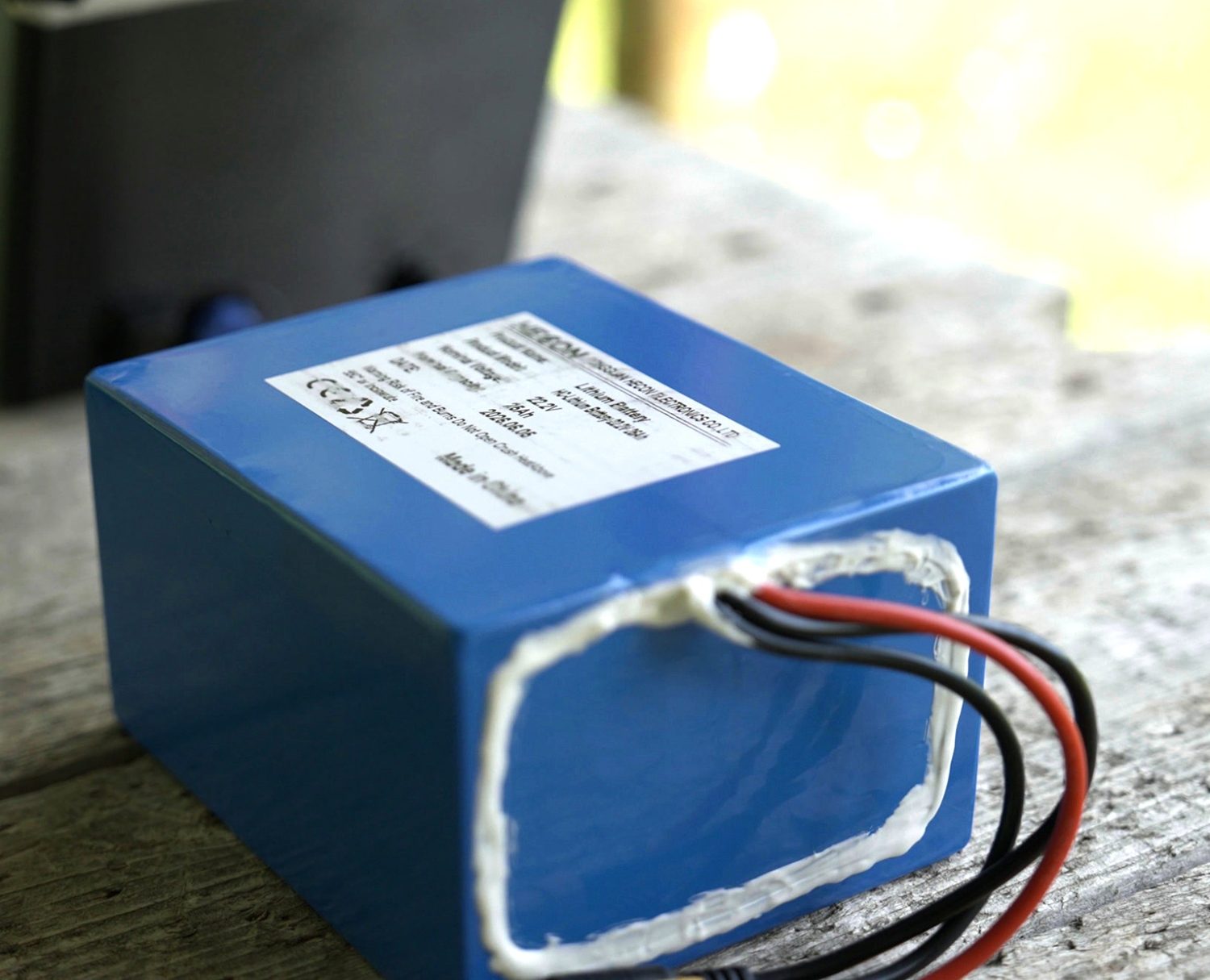
The first prototype was not hot enough. Feedback from sniper experts was blunt: the target had to be extremely hot and carry an extremely large battery to beat what units were already improvising. So the design went back for a hotter element and a bigger battery. The result is a plate the heating system can drive up to about 100°C, with a battery that holds it there for a 5-hour session at 100 watts.
The through-optic test: 100 to 600 meters
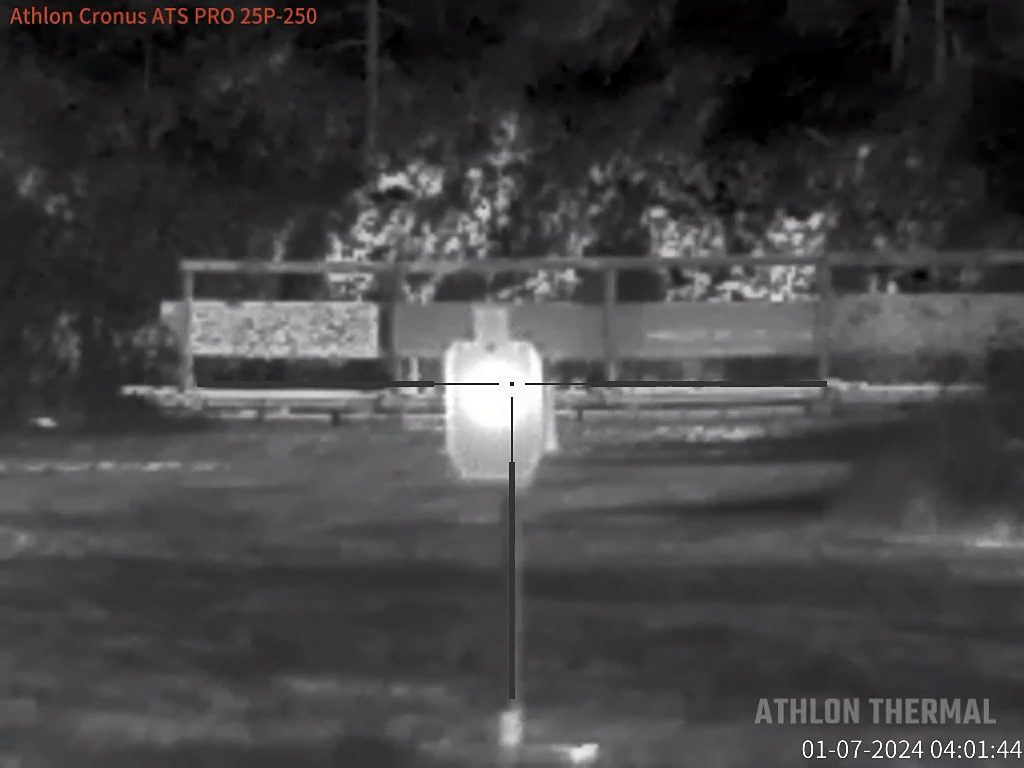
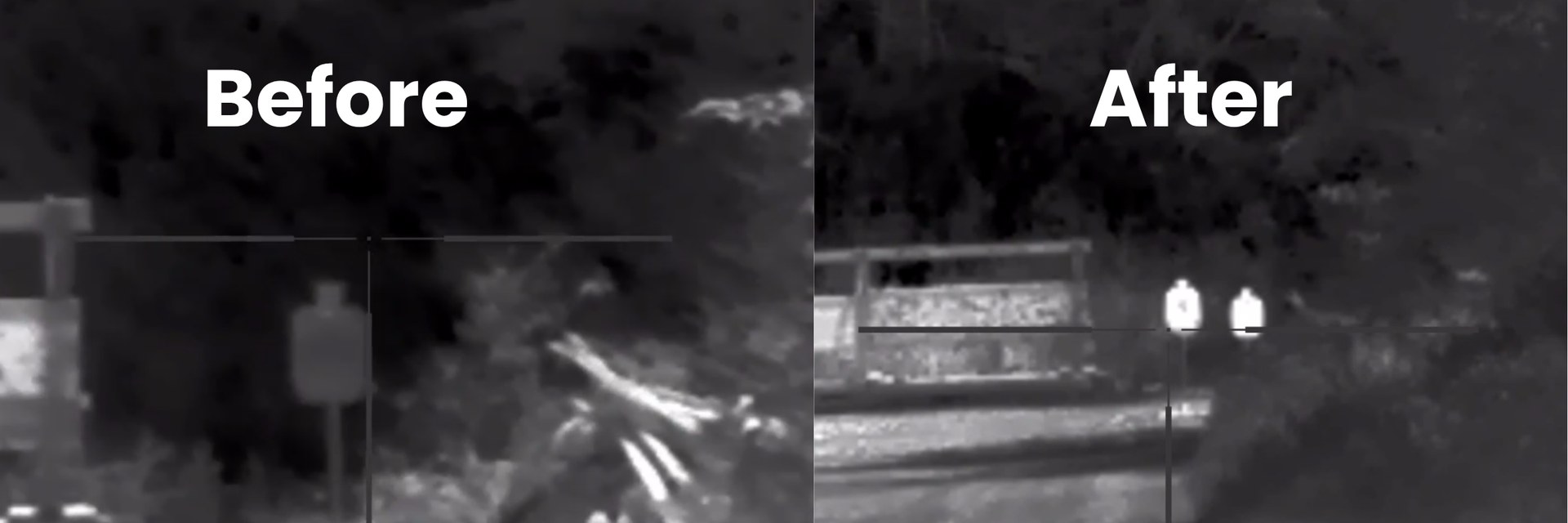
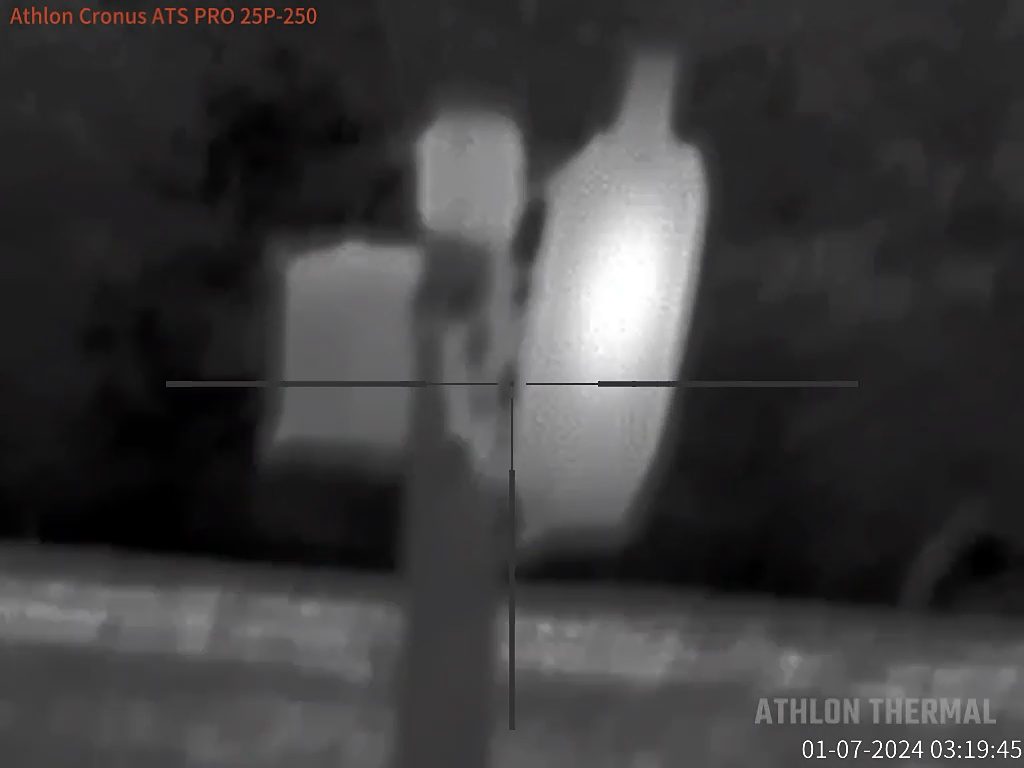
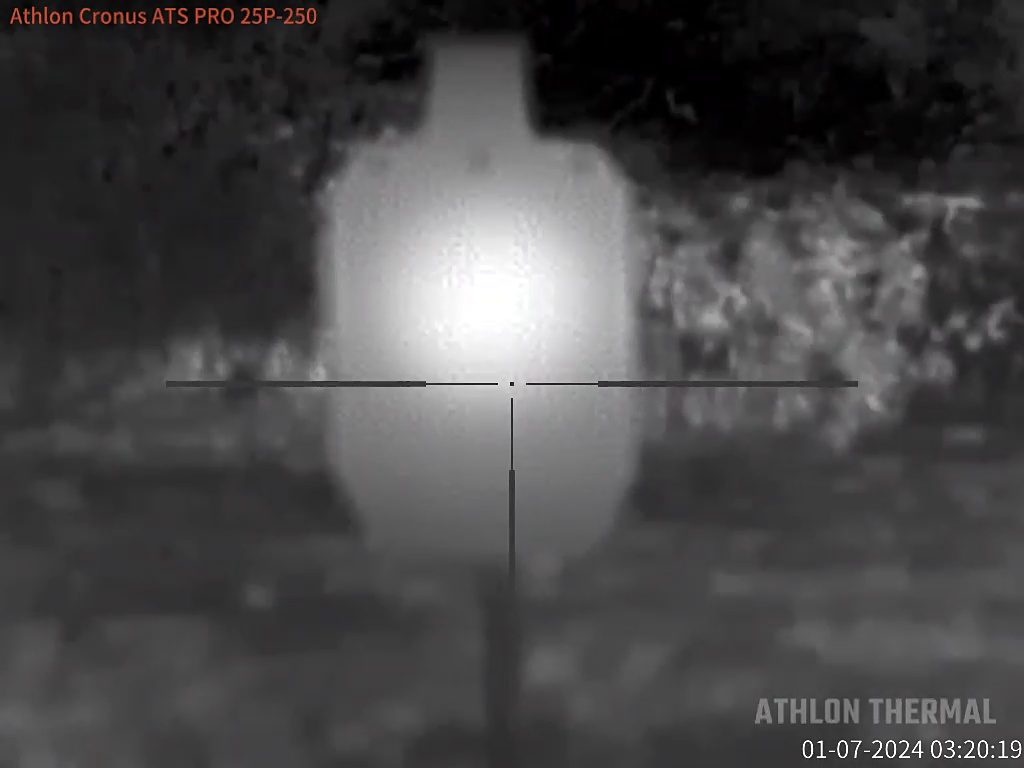
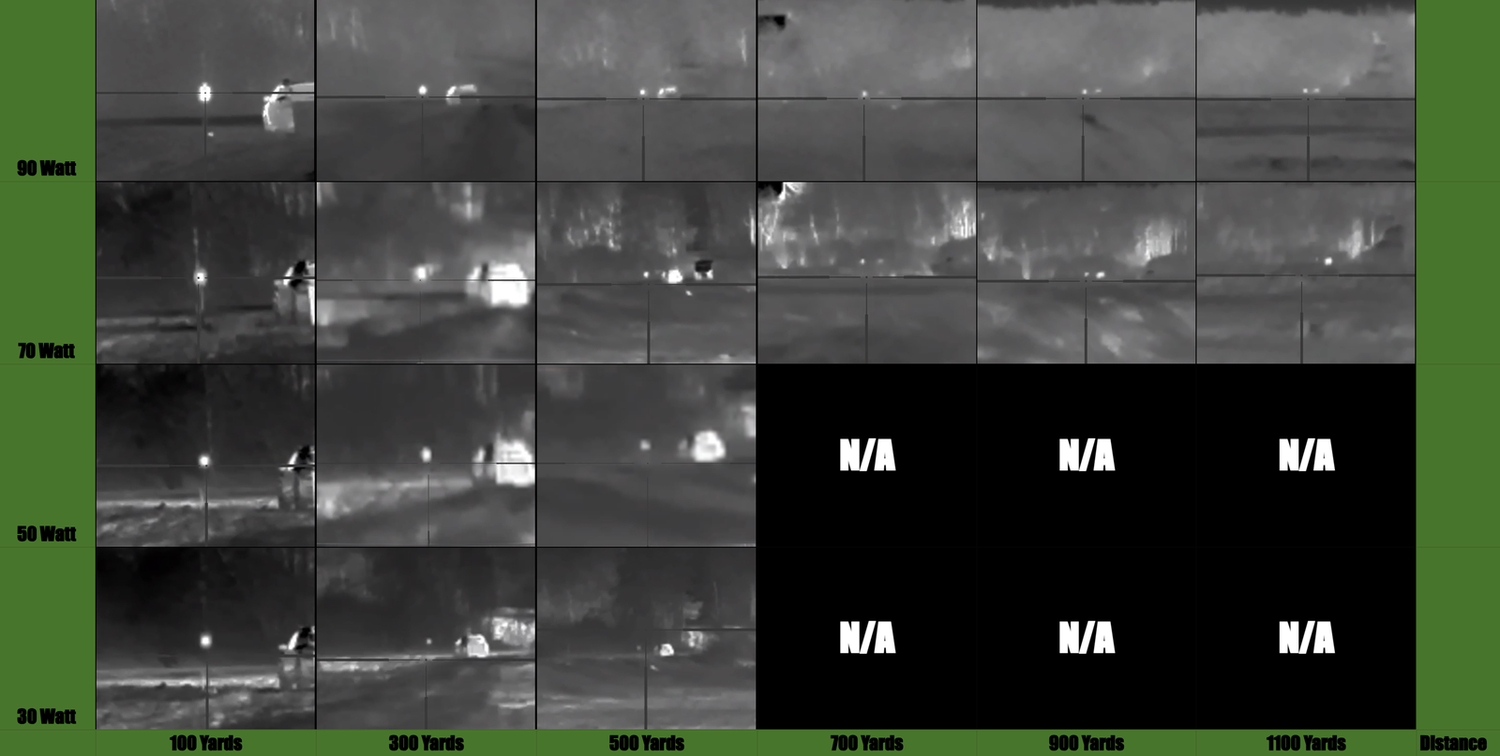
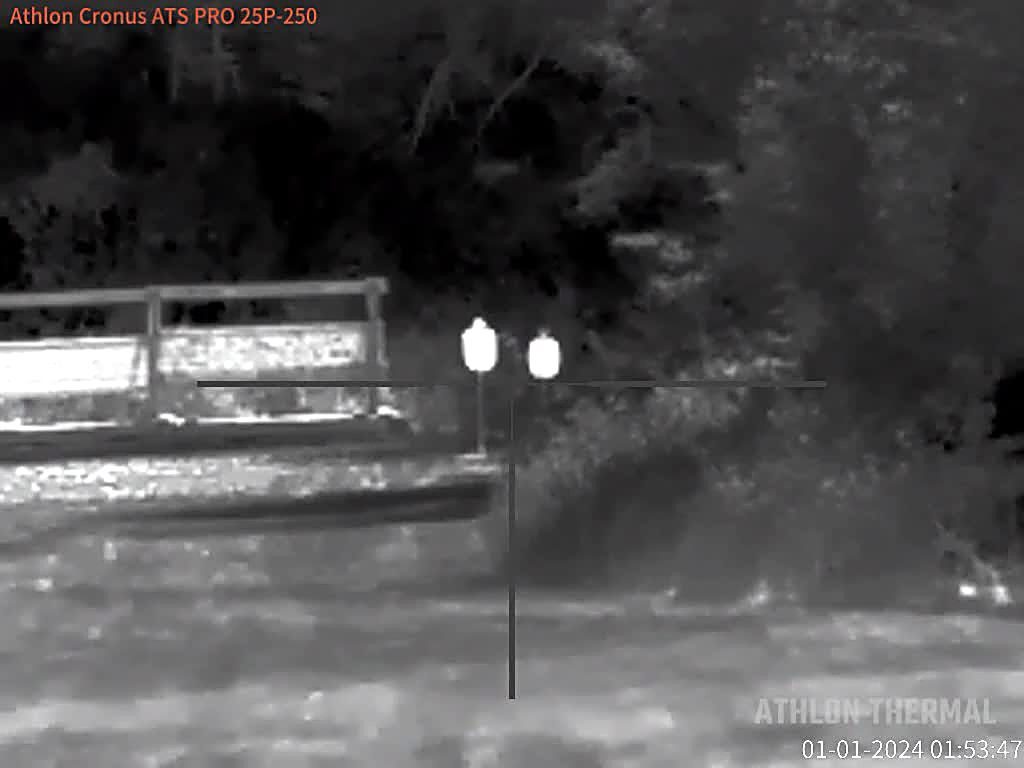
The DRX1 team ran the DRX1 Electric Thermal Optic Target through an Athlon Cronus ATS PRO 25P-250 thermal scope on a 600-meter range, stepping back in stages. A crew member (Thane) stood near the target as a live human control.

100 m: Both the human and the 66% IPSC target glow clearly in the optic. The heated zone reads at roughly human body temperature.
300 m: The target out-glows the man standing beside it. On camera: "Thane is actually harder to see right now than the thermal target." The target is now the easier thermal signature.
400 m: The target is unmistakable, a prominent dot of heat, and under digital zoom "it's bright as day."
600 m: Honest framing: "that is a speck at this point." Still visible, and easier to pick up above the skyline, but a speck. Nobody is claiming crisp silhouettes at 600 m, and you should distrust anyone who does.

The short version for training planners: out-glows a human at 300 m, unmistakable at 400 m, visible at 600 m. DRX1 has also filmed the target through a thermal scope at 1,000 yards, embedded above.
What a sniper training session on heated steel looks like
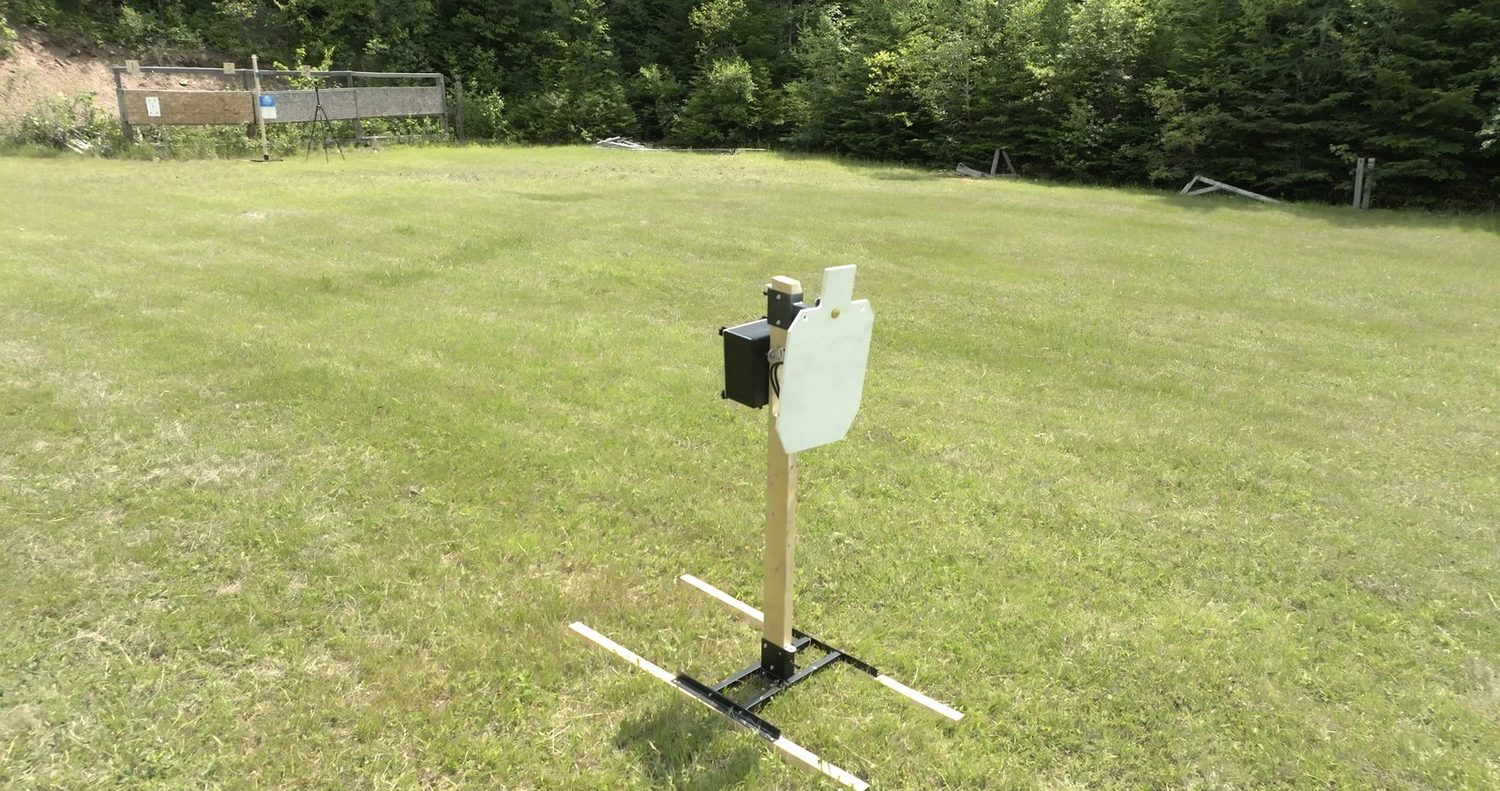
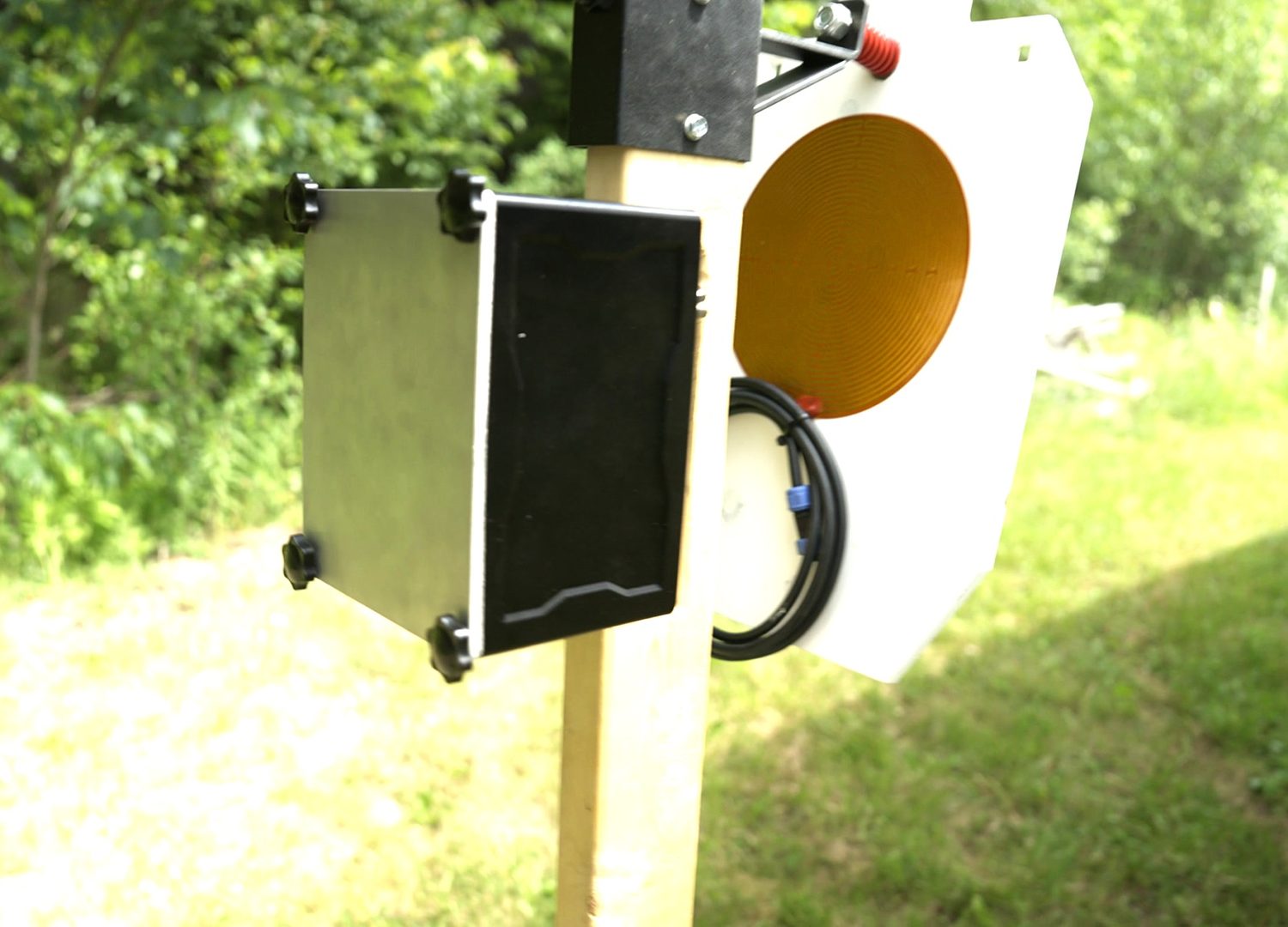
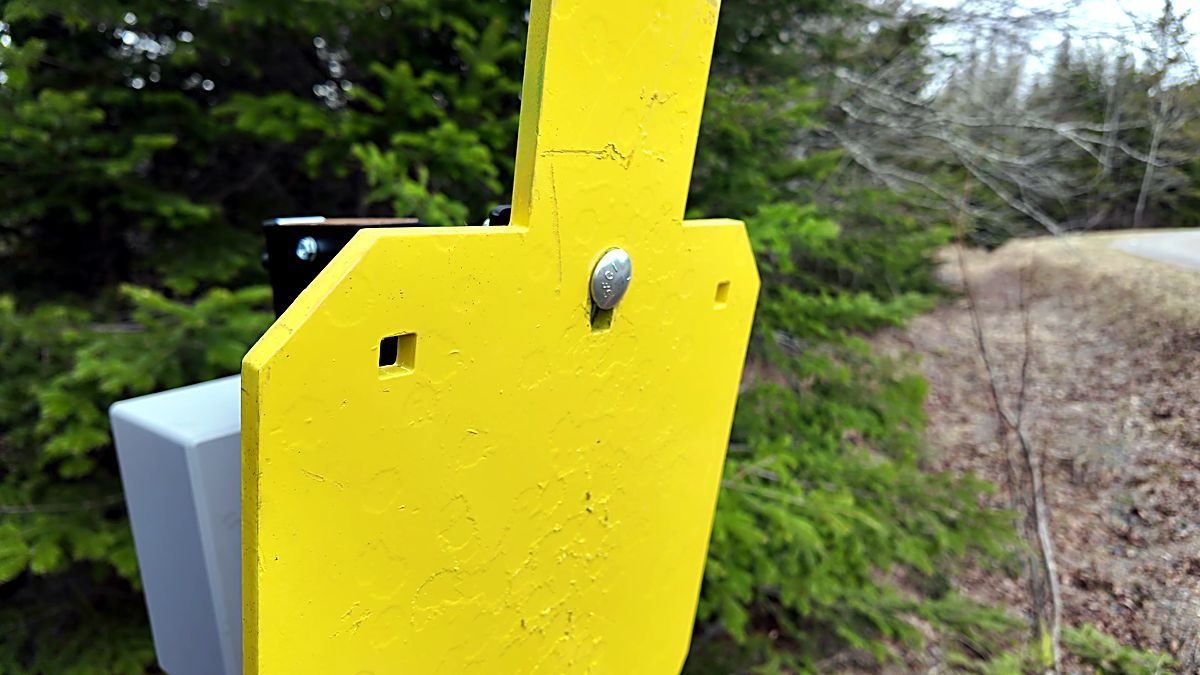
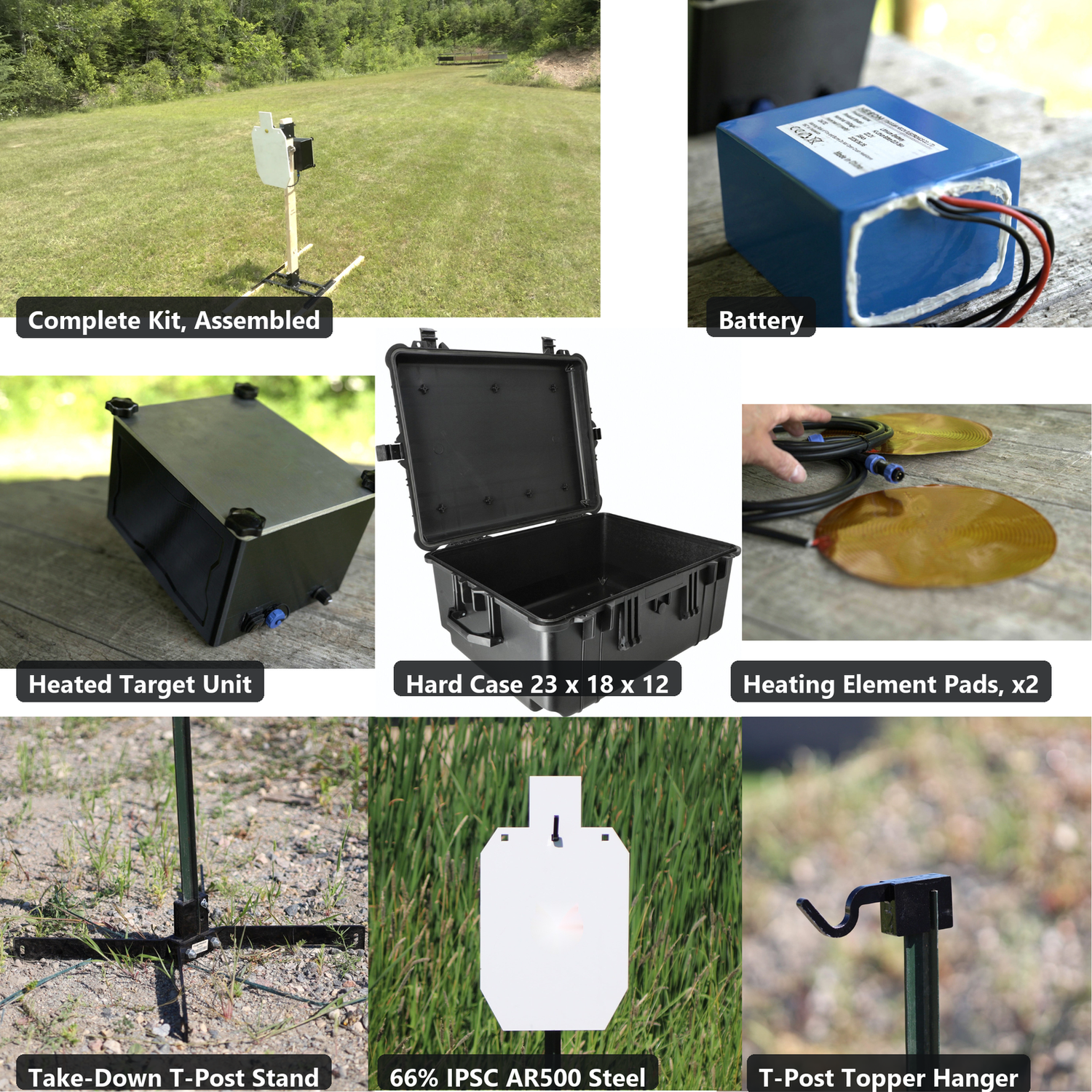
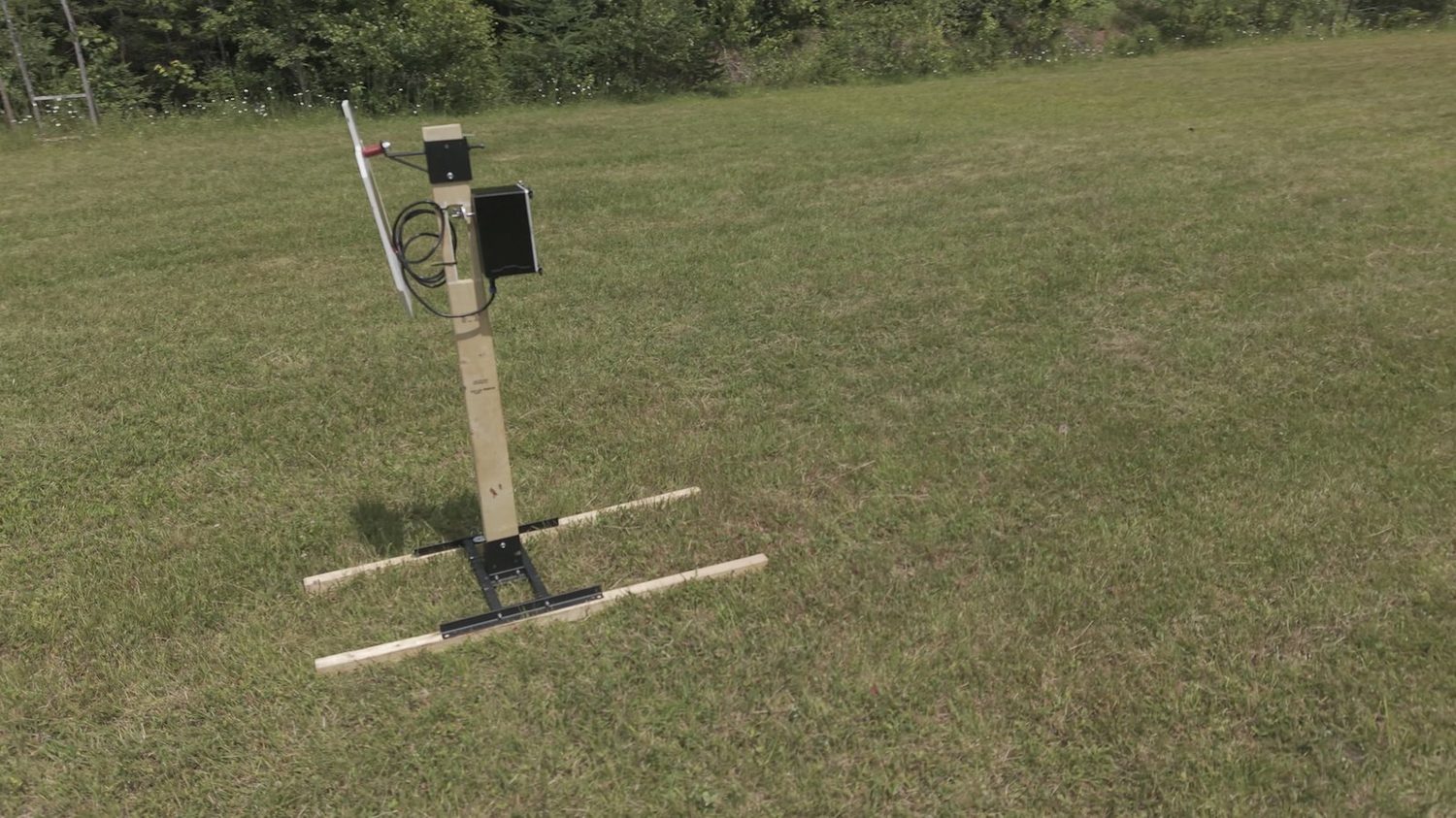
Bolt the heater system to the IPSC silhouette and set it downrange. One person, no tools.
Set the temperature. Human-body range for detection and PID drills, or hotter for maximum contrast at extended distance.
Wait minutes, not hours. In the 600 m test the plate climbed from ambient 13°C into the 30s within about two minutes of full power.
Run the course of fire through the optic. Hits show as signature disruption; there is no walking downrange between strings.
At end of session, power down, recharge overnight (about 6 hours from dead), and it is ready for the next night shoot.
Because the target radiates its own heat, it works in the dark, under overcast, in fog, and in cold. DRX1 filmed it holding a clear signature outdoors at −10°C on only 30 watts of output. Cold backgrounds actually increase contrast.

DRX1 Electric Thermal Optic Target specifications
Spec | Value |
Plate temperature | Settable, up to ~100°C |
Runtime | 5 hours at 100 W on the big battery |
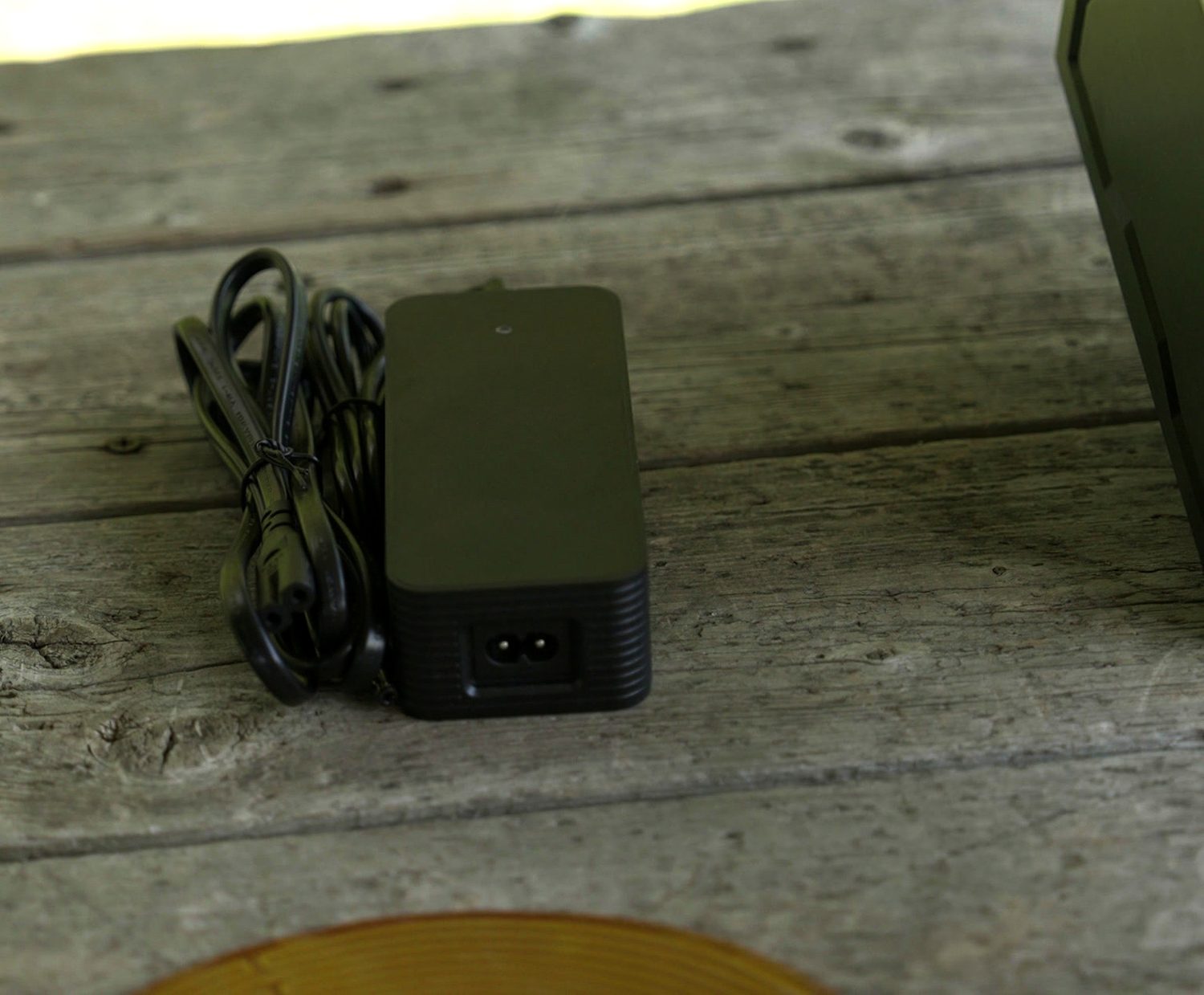
Recharge time | ~6 hours from dead |
Heater output | 100 W max (roughly the heat output of a sedentary human) |
Target face | 66% IPSC steel silhouette |
Cold-weather proof | Clear signature at −10°C ambient on 30 W |
Through-optic tested | 100 / 300 / 400 / 600 m ladder, plus 1,000-yard footage |
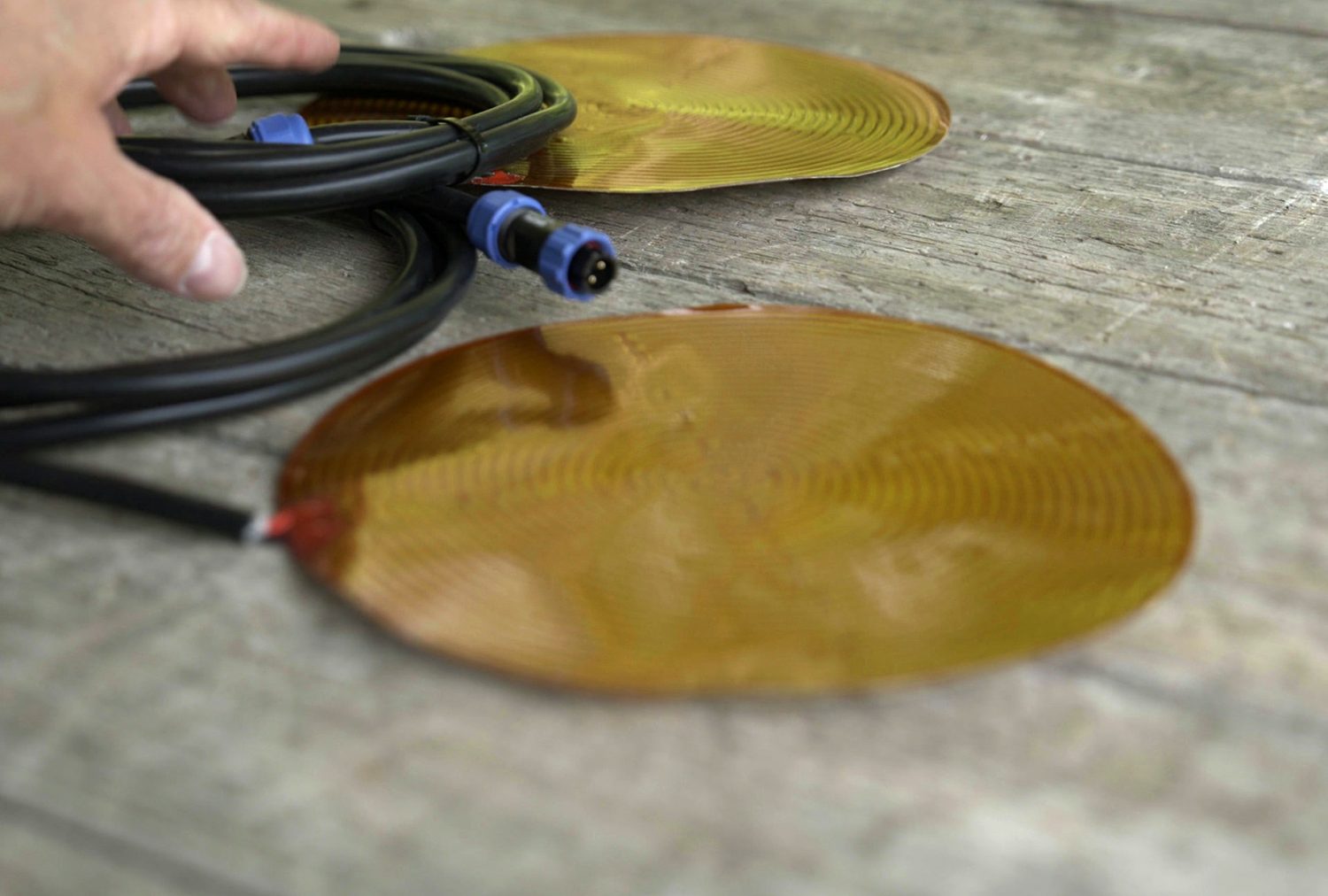
Electronics placement | Behind the steel plate; one spare heater element ships in the box |
Weather | Water-resistant; any rain is fine, not submersible |
Key points for procurement and range staff:
Temperature is set by the operator, so the same target supports body-temperature PID work and high-contrast long-range detection.
All electronics sit in the shadow of the plate. Shooting the heater is a shooter mistake, not a failure mode, and a spare is included.
The heating system carries no caliber rating of its own. Rate the steel; whatever the plate is rated for, the target is rated for.
Long-range and sniper use belongs to the DRX1 Electric Thermal Optic Target. The DRX1 Solid Fuel Thermal Optic Target, the solid-fuel model, is built for short-range sport and military training sessions, not unattended long-range work. If you are weighing the two, see electric vs solid-fuel heated targets.
If your unit is still taping hand warmers to plates, read why DIY thermal targets fail first.
FAQ
At what distance can I see it? My mate struggles to see his target past 50 m.
A full-size warm IPSC silhouette is a different animal than a hand warmer. You are looking at a man-shaped heat signature, not a faint 1-inch square. It out-glows a human at 300 m, is unmistakable at 400, and visible at 600. Thermal imagers resolve temperature differences under 1°C, so contrast, not raw heat, is what carries.
How long does the battery last?
Five hours on a charge: 5 hours at 100 watts holds a 66% IPSC plate at 100°C. It runs on the big battery, and the Complete Kit ships with one battery and its charger. Recharge from dead is about six hours. At −10°C the target held a clear signature drawing only 30 watts, so cold sessions do not gut the battery the way you would expect.
What happens when I shoot the heater?
You won't in normal use. All the electronics sit behind the steel target; the plate is the armor. If a round does find the heater, it is likely only the heating element that needs replacing, and every unit ships with two heater elements, one installed and one spare in the box. Swap it and keep shooting.
Won't heating the steel ruin it? AR500 softens with heat.
The system is engineered with a hard ceiling below 200°C under any condition, including component failure. AR500 does not start tempering until well past that, so the steel keeps its hardness for its entire life. There is no setting or failure mode that lets the target exceed it.
Does it work 24 hours? Does it work in the dark or when it's cloudy?
Yes. The target radiates its own heat instead of reflecting the sky, so it does not care whether it is dark, overcast, foggy, or snowing. It is filmed glowing against a −10°C background through a thermal optic. Foil tape "did not work @ 6 degrees and snowing." This does.
Is this real, or is it vaporware?
It is real steel with real through-the-thermal-optic test footage, including the −10°C outdoor test and the 600 m ladder, not renders. It comes out of a funded R&D program at an NRC-backed Canadian engineering company, and the DRX1 Electric Thermal Optic Target stands on 2,000+ military and police customers of DRX1's fielded moving-target line.




Comments