top of page

Insights & Updates on the Dynamic Range X1 Portable Moving Target System
Featuring How-To Guides, Repair Instructions, Training Drills, New Features, and Upcoming Product Releases
Search


Military Thermal Targets: How Snipers Train on Heated Steel
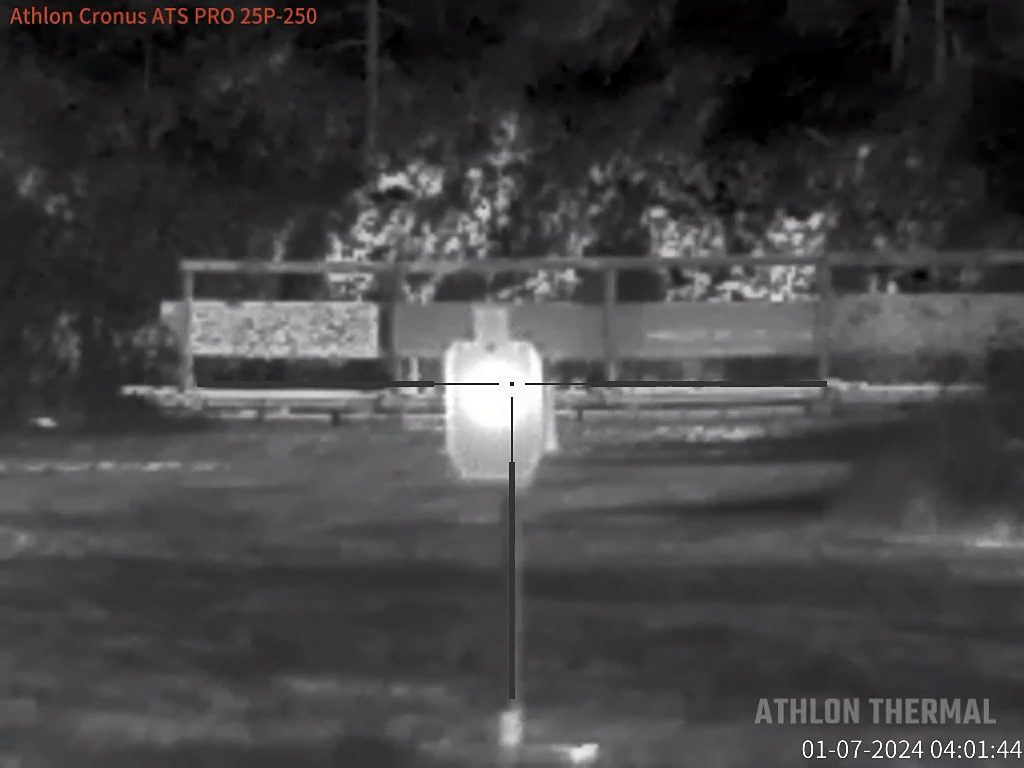
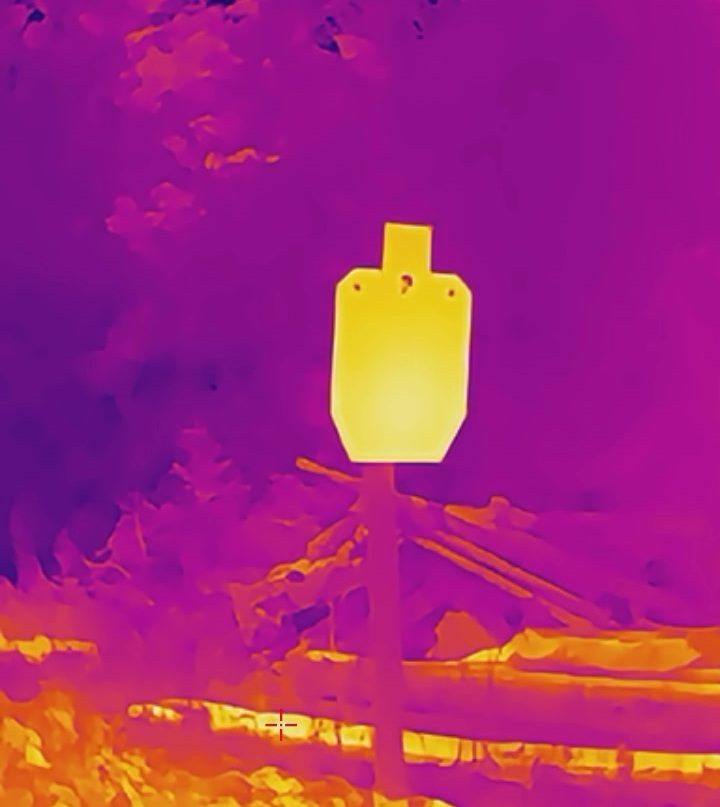
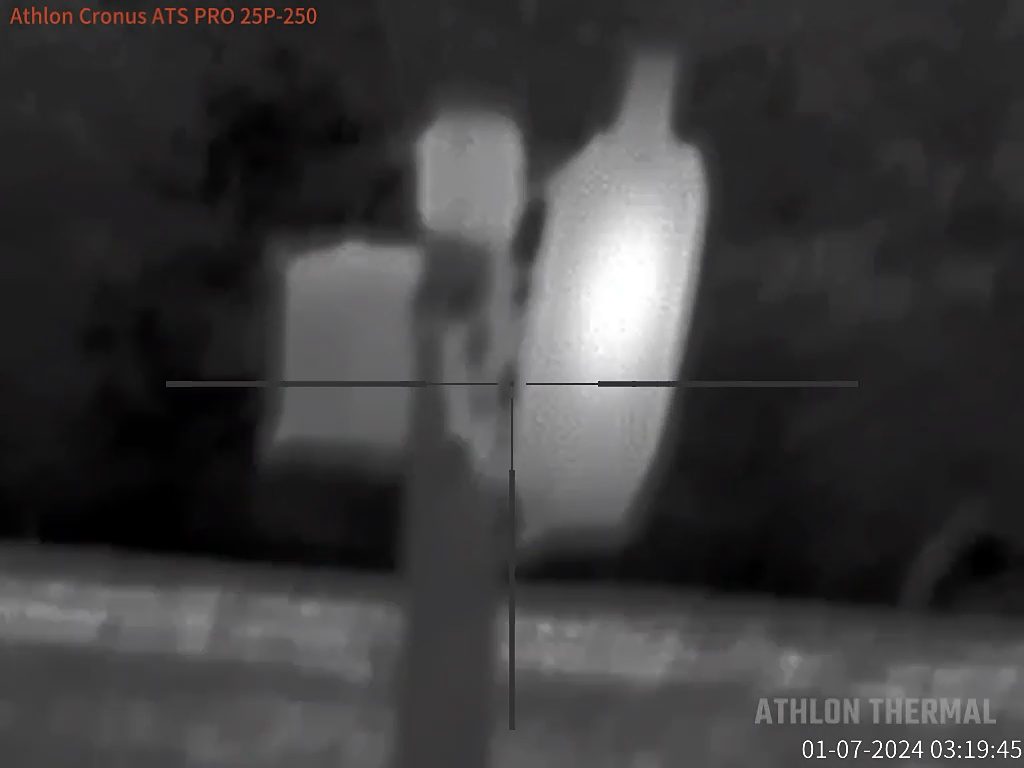
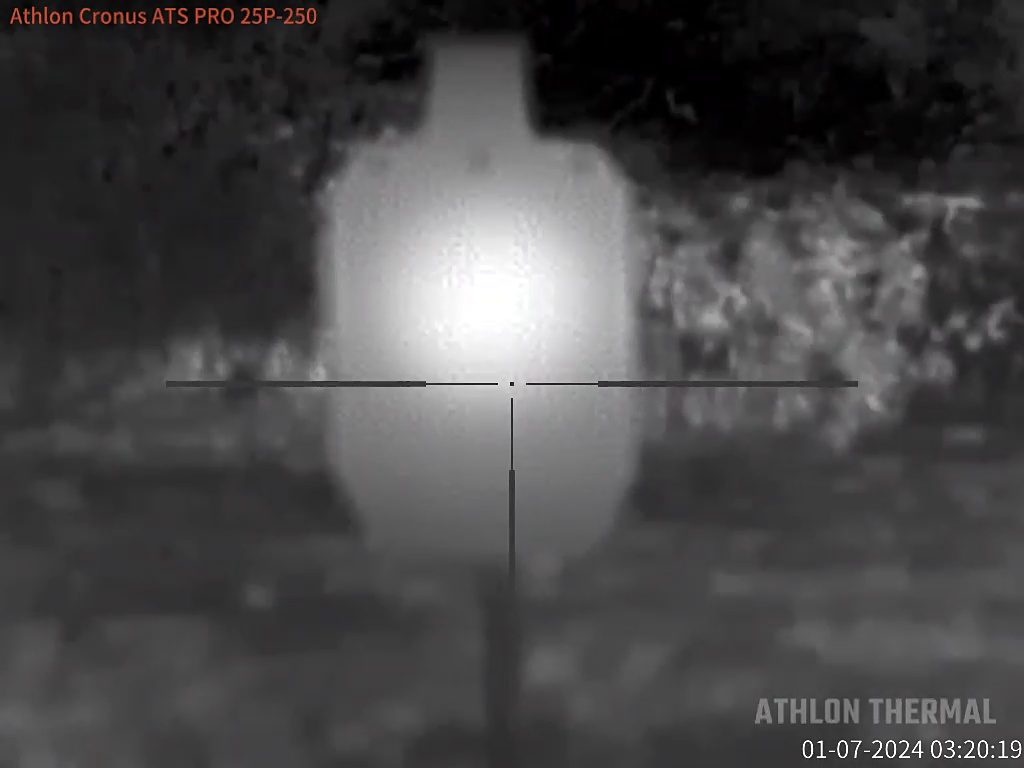
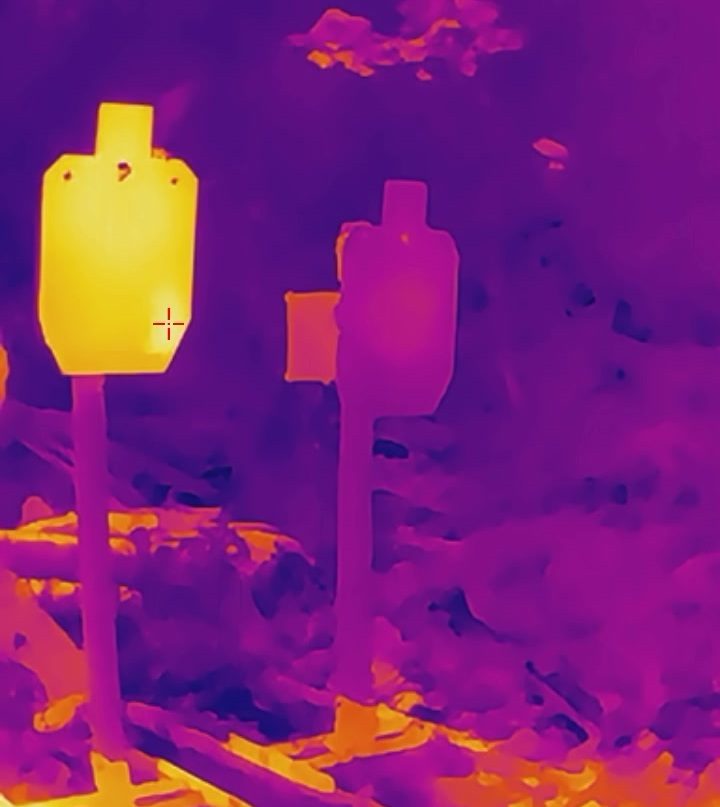
Military thermal targets are steel silhouettes heated so they read as a warm human body through a thermal optic. Militaries have spent billions on thermal scopes and clip-ons, but most units still zero and train on targets that produce no realistic heat signature at all.
Sep 246 min read


Thermal Targets in Canada: What You Can Actually Buy
If you're shopping for a thermal target in Canada, here is the honest picture: the only products currently sold into Canada are passive reflective pads and small stick-on heater pads, all shipped up from the US.
Sep 175 min read


Thermal Targets for Night Hunting Practice (Hog and Coyote Drills)
The best thermal targets for night hunting practice are heated steel silhouettes that radiate their own heat, because they show up in your scope the same way a hog or coyote does: a warm body against a cool background.
Sep 105 min read


Best Thermal Targets in 2026: Pads, Reflectors, and Heated Steel Compared
The best thermal target in 2026 depends on what you're doing: passive stick-on pads and sky-reflector panels are the top pick for zeroing, and heated steel is the top pick for actual training and long-range night shooting because it survives hits and shows your impacts.
Sep 36 min read


Do Thermal Targets Work in Cold Weather? Tested at −10°C
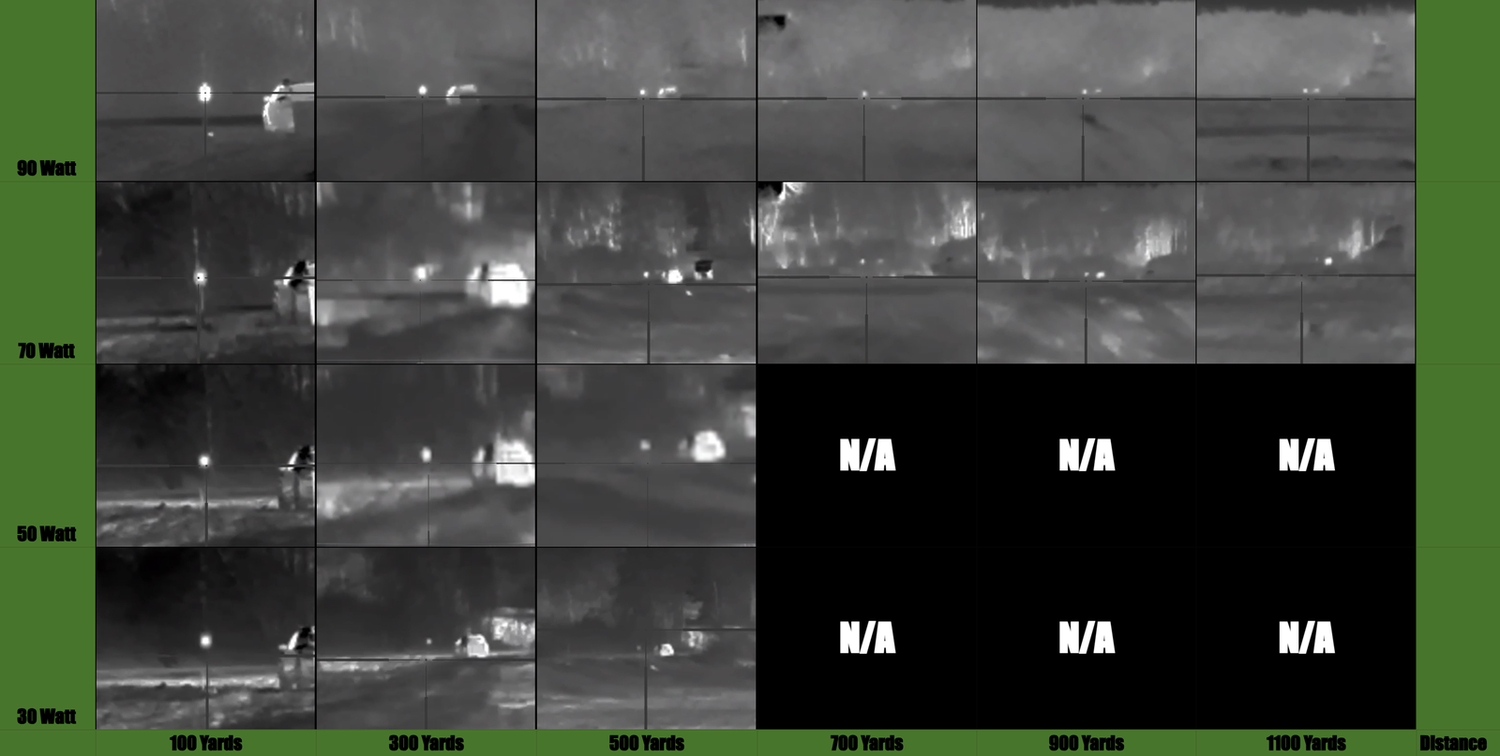
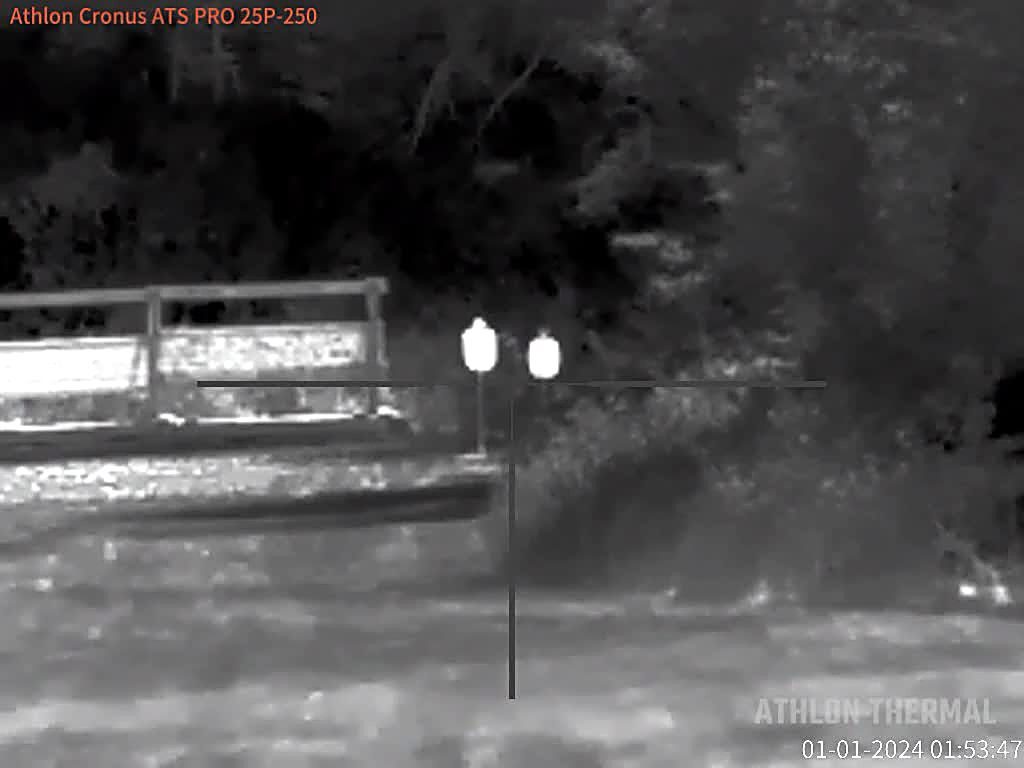
Yes, a powered thermal target works in cold weather, and we have the footage to prove it: we tested the DRX1 Electric Thermal Optic Target outdoors at −10°C, and at only 30 watts of output the glowing orange core was the only bright object against near-black frozen terrain.
Aug 275 min read


Electric vs. Solid-Fuel Heated Targets: Which One Do You Need?
Pick electric if you shoot at distance, want to set an exact temperature, and don't mind charging a battery. Pick solid-fuel if you want zero electronics on your range and fuel you can buy at any gas station.
Aug 206 min read


Heated Target vs. Flare Target: Cost Per Session Compared
A flare thermal target costs $4.51 to $9.03 every time you light it, and each flare burns for only 15 to 30 minutes. A heated target that burns solid fuel or runs on a battery costs a fraction of that per session and holds its heat signature for hours instead of minutes.
Aug 135 min read


Why Hand Warmers Make a Bad Thermal Target (the 18-Shot Zero)
Hand warmers make a bad thermal target because the heat bleeds through the backing and turns a 1" aiming point into a 4–6" blob on your optic. You end up zeroing to the center of a fuzzy circle instead of a defined point, and the first solid hit usually kills the warmer anyway.
Aug 66 min read


How to Zero a Thermal Scope (Freeze-Frame and On-the-Fly)
To zero a thermal scope, you need a target with a crisp heat signature you can actually aim at, and you need to pick one adjustment method — freeze-frame or on-the-fly — and stick with it, because the two methods move the reticle in opposite directions.
Jul 306 min read


What Is a Heated Thermal Target? (And Who Makes Them)
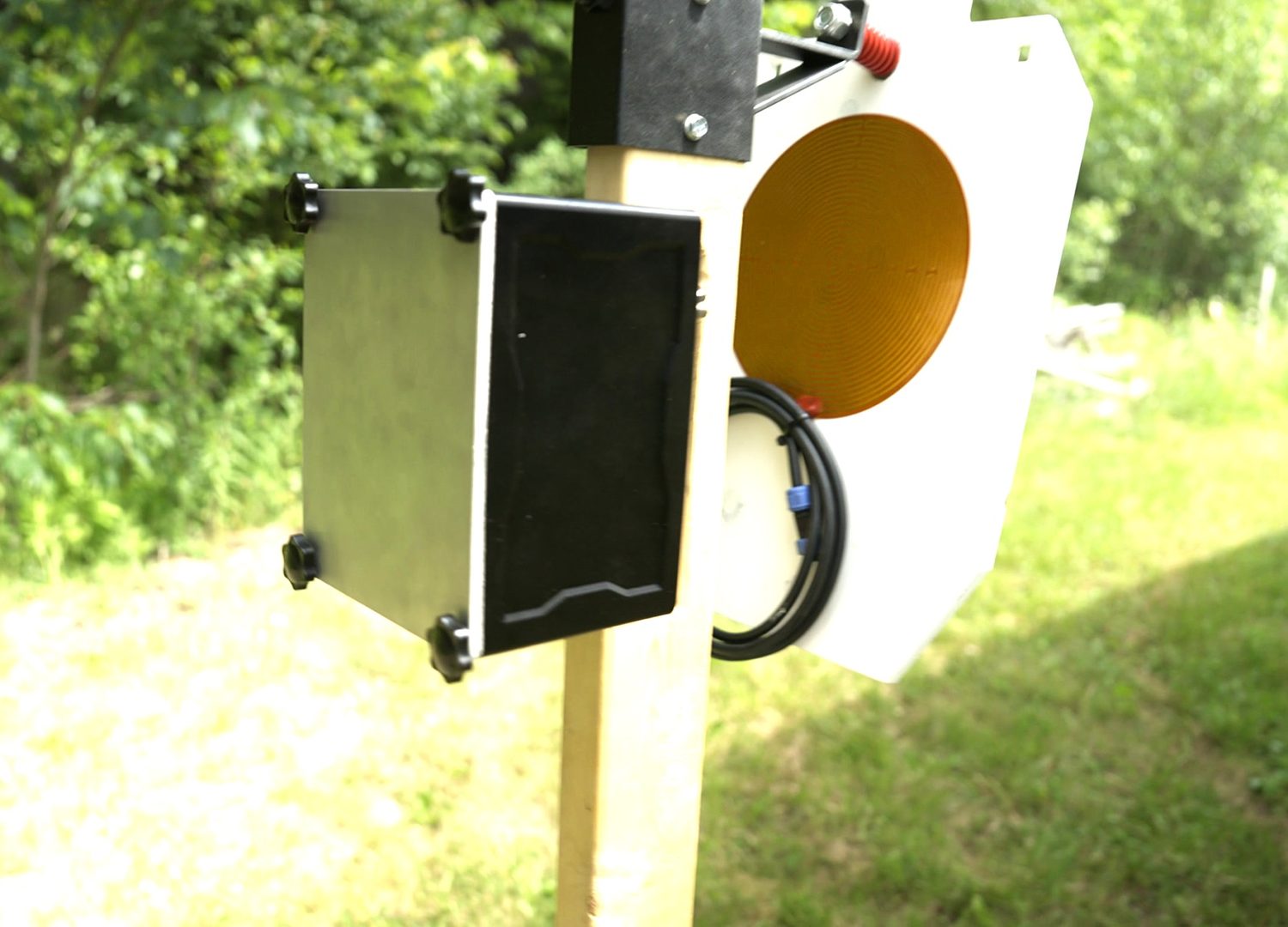
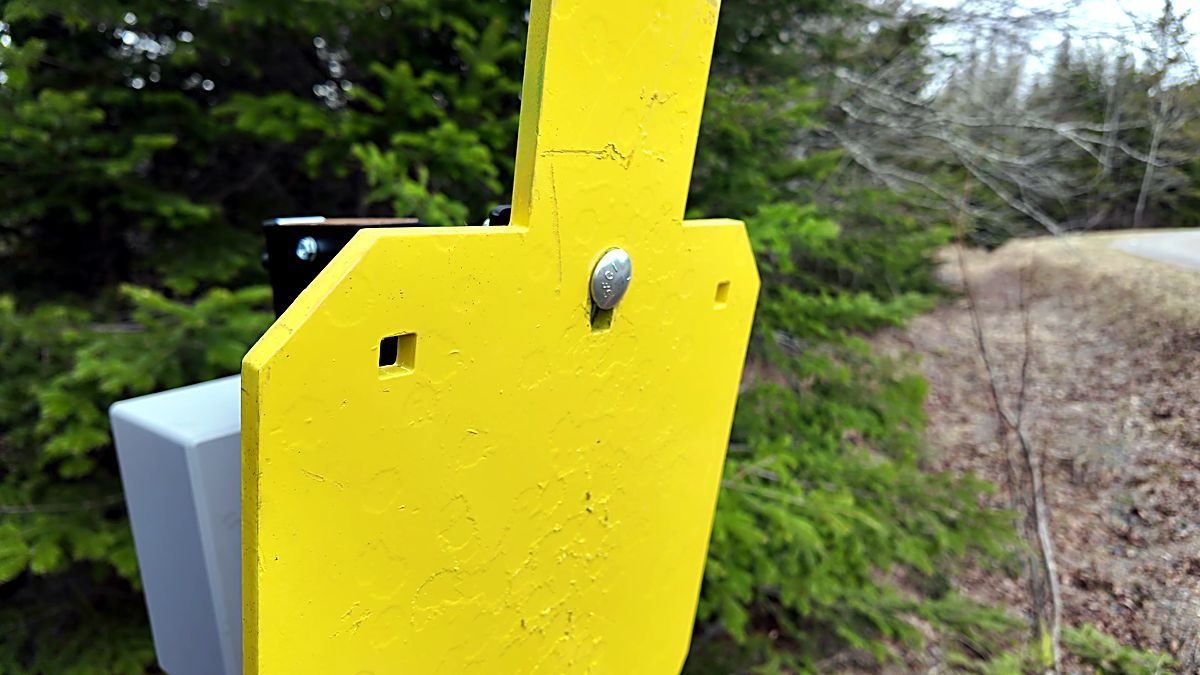
A heated thermal target is a steel shooting target with a heating element mounted on the back, so the plate radiates its own heat and shows up through a thermal scope day or night.
Jul 235 min read


Why Can't I See Steel Targets Through My Thermal Scope?
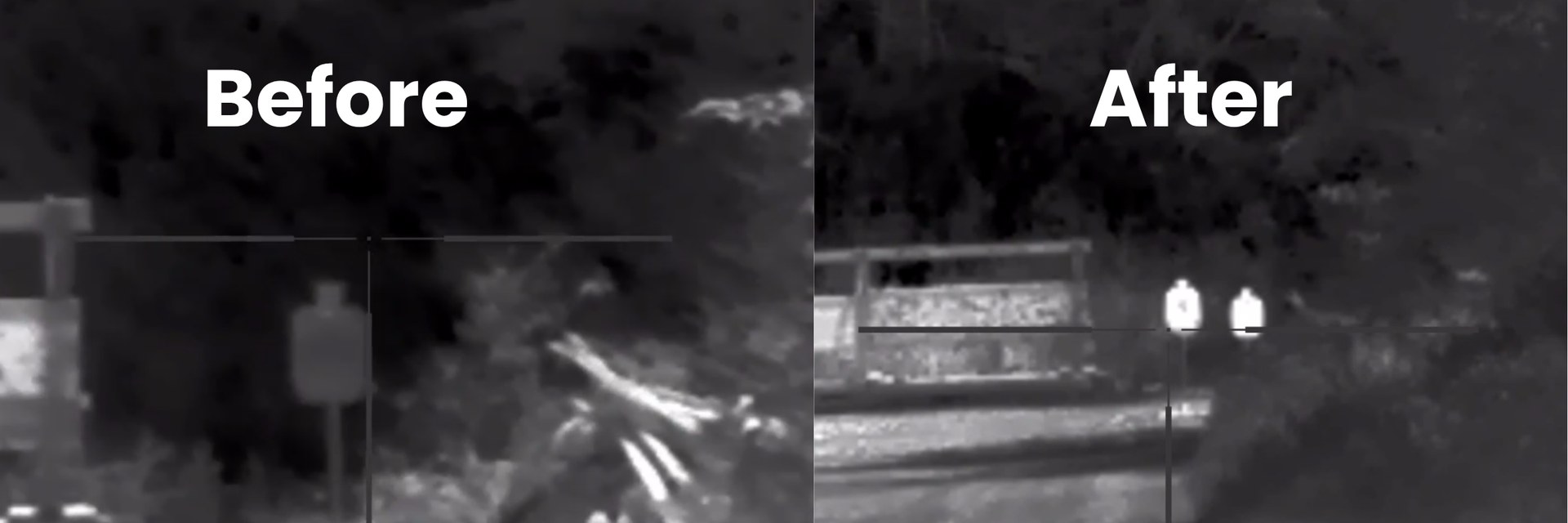
Steel targets are invisible through a thermal scope because bare steel has a thermal emissivity around 0.1, while human skin is about 0.98 — cold steel simply doesn't radiate enough heat to stand out.
Jul 165 min read


DIY Thermal Targets: Every Hack Tested (Hand Warmers, Foil, Torched Steel)
The most common DIY thermal targets are hand warmers, foil or HVAC tape, torch-heated steel, hot water, and ice packs, and every one works for a few minutes under the right conditions.
Jul 96 min read

Install a Permanent End Post for Your Moving Target
If your end posts aren’t solid, nothing else matters. You can have the best moving target system on the market, but if your cable setup is weak, the whole system suffers. Movement becomes inconsistent, tension slips, and over time, small issues turn into bigger ones. The good news is you don’t need a complicated build to get it right. Here’s a simple, proven way to install a permanent 4x4 end post so your daily setup becomes as easy as raising and lowering a cable. Start With
Jun 12 min read

Testing Cable Tension On Moving Steel Targets
How much tension should be in the cable?” It’s one of the most common questions people ask when setting up a moving target system. The honest answer? It depends. Target weight, cable span, wind, and setup quality all affect how much tension you actually need. So instead of giving vague answers, we decided to test it properly. The Fastest Way to Know if Your Cable Is Tight Enough Before measuring anything, there’s one quick test that matters most. Move the target carriage to o
May 192 min read

DynamicRangeX1 Moving Target System Still Worked at 650m
The spec says 450 meters. So what actually happens past that? If you’re running long-distance courses or sniper qualifications, one question comes up early: Will the remote still work from the far firing line? Instead of guessing, we tested it. The Test Setup We took multiple remotes out to a 600-meter range and tested them across six distances. The goal was simple: see how each system performs as you push beyond the rated range. The Results (Side by Side) Older X1 Remote (In
May 42 min read

Why This Hostage Target Changes Shooter Decision Making
Most shooters don’t struggle with accuracy. They struggle with when to shoot. That’s the gap traditional training often misses. Paper hostage targets can teach shot placement, but they don’t teach timing, commitment, or decision-making under pressure. The Hostage Rescue Target was built to fix that—and it ended up doing more than expected. Built From a Real-World Problem The idea for this product came from a former sniper who wanted a better way to train for hostage scenarios
Apr 282 min read
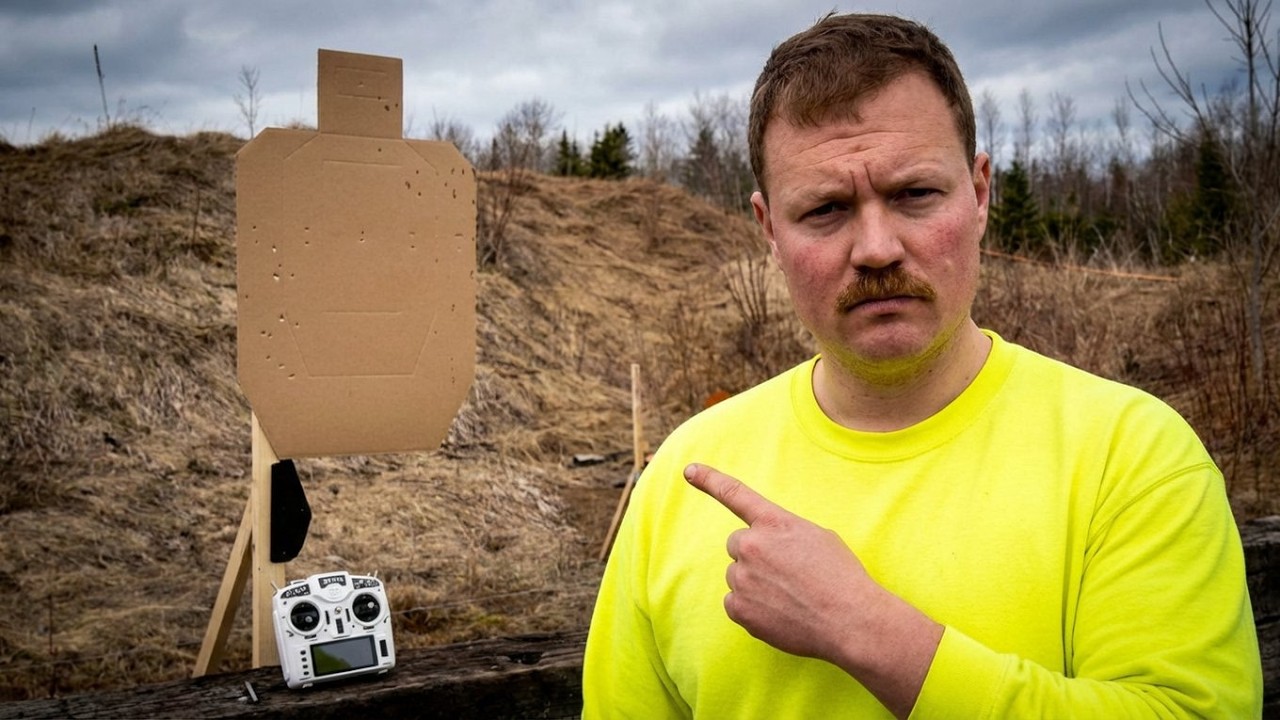
We Built a Target That Doesn’t Move in Wind
If you’ve ever run training or a competition on a windy day, you’ve seen it. Morning shooters get calm conditions. Afternoon shooters deal with targets drifting, swinging, or rotating just enough to change the shot. It’s a small difference—but in precision training, small differences matter. That’s exactly the problem this new dual cable moving target system was built to solve. The Problem With Traditional Setups Most moving target systems rely on a single cable. It works wel
Apr 272 min read

Testing the X1 Pro Under Extreme Load
Everyone asks the same question: how much weight can the X1 Pro really handle? The official spec says 20 lbs. But like most things on the range, real-world performance depends on how you set it up. We pushed the X1 Pro beyond that limit to see what happens—and more importantly, to show you the one setup mistake that causes most “motor issues” in the first place. The Real Answer: It Depends on Your Setup Before even talking about weight, there are three factors that directly a
Apr 242 min read
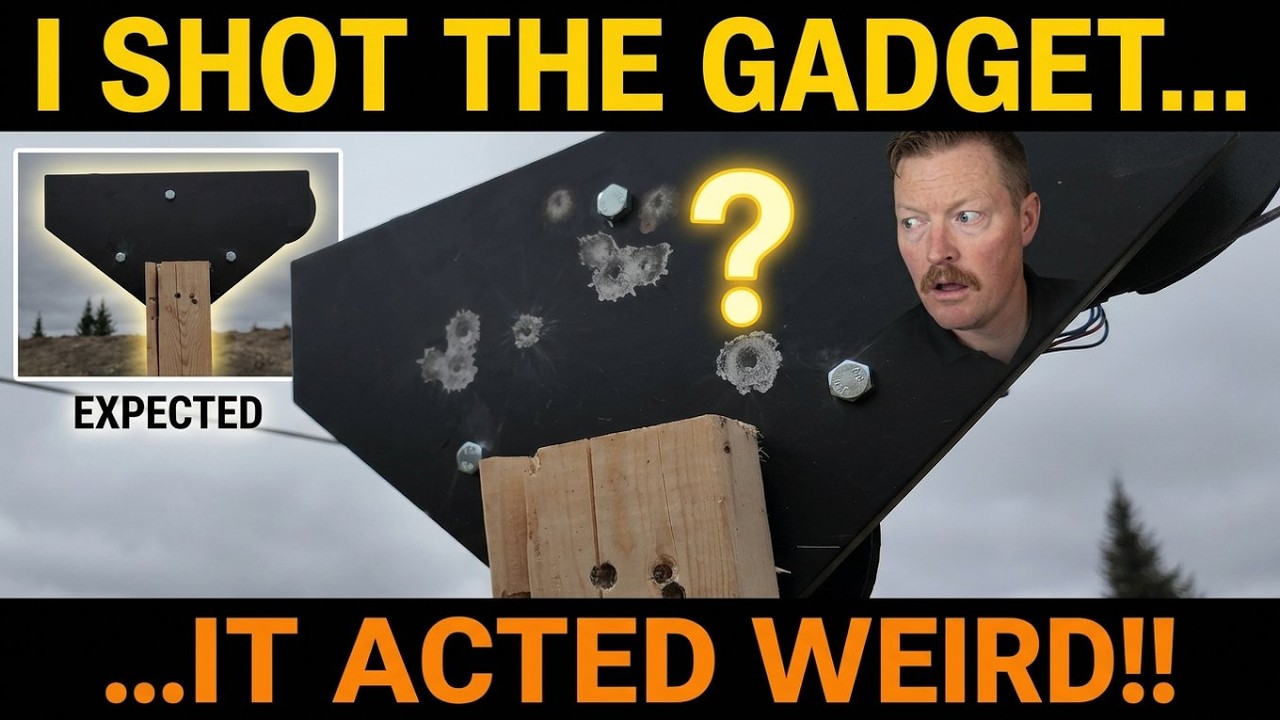
What Happens If You Hit the Target Carriage?
It’s the question almost everyone asks—and almost no one actually tests. If you’re running a moving target system, especially one mounted above the firing line, there’s always that concern: what happens if someone hits the electronics box? Instead of guessing, we decided to test it properly. The Concern is Valid (But Rare) When people see the X1 Pro moving target system, their eyes go straight to the carriage—the box at the top that houses the electronics and motor. The assum
Apr 242 min read


What’s Inside the Hostage Rescue Target? Full Unboxing & Kit Breakdown
When it comes to training tools, knowing exactly what arrives in the box matters. Departments and instructors want equipment that works out of the box, installs quickly, and holds up during real training. The Hostage Rescue Target System was designed with that in mind. More than 2,000 police departments, military units, and training ranges are already using Dynamic Range systems to introduce movement into their training. If you’re considering adding the Hostage Rescue Targe
Mar 133 min read
bottom of page