
Best Thermal Targets in 2026: Pads, Reflectors, and Heated Steel Compared
The best thermal target in 2026 depends on what you're doing: passive stick-on pads and sky-reflector panels are the top pick for zeroing, and heated steel is the top pick for actual training and long-range night shooting because it survives hits and shows your impacts. Every thermal target on the market falls into one of five categories: passive pads, sky-reflectors, reactive targets, electric heater pads, and heated steel, and each one has a known failure mode the forums have already documented. This guide compares all five, with the community's own verdicts, so you can match the target to the job before you spend money.

How to pick the best thermal target
Decide the job. Zeroing a scope needs a crisp aiming point. Training needs a target that takes hits and shows impacts.
Check the failure mode. Every category has one. Read the complaints, not the ads.
Match distance. Stick-on pads die past 100 yards. Reflectors and heated steel work at 600 meters and beyond.
Check conditions. Reflectors need open sky. Reactive targets need warm sun. Heated steel makes its own signature.
Count the sessions. A consumable pad is cheap once. Steel is bought once.
Passive thermal pads (Down Range Thermal)
Stick-on pads use a material with different emissivity than the backer, so your optic sees a crisp shape without any heat source. They are the community's favorite zeroing tool, and the most argued about. On Sniper's Hide: "The best, yet expensive, method are the thermal targets that DownRangeThermal sells." On Predator Masters, about the same product: "Waste of money IMO."
Both are right. The pads give a clean, non-blooming aiming point, which is exactly what zeroing needs. The failure modes: they are consumables that shred under fire, they need a sky angle to work well ("at least a 10 degree angle toward the sky"), and they do nothing at training distances. Buy them for zeroing. Don't expect a training target.
Sky-reflector panels (ThermBright)
Reflector panels bounce the cold sky at your optic, so the target reads cold-dark against a warmer background. When conditions cooperate, they are genuinely excellent at distance. From Sniper's Hide: "These things work awesome, nothing like night shoots out to 800m and beyond and not having to go downrange at all after setup."
The failure mode is in the physics: they need open sky to reflect. Under tree cover, in fog, or at the wrong angle, the signature drops off. They also don't heat up, which is their strength for a stable zero point and their weakness for realism: a cold-reading panel is not a warm body, so they train detection of a shape, not a heat signature. For more on why reflection versus emission matters, see why steel targets are invisible to thermal.
Reactive targets (Shoot-N-Glow, $99.99)
Reactive targets show a visible mark or glow where the bullet hits. The appeal is obvious: instant feedback. The community verdict is split. One hog hunter, after struggling with pads and hand warmers: "I think the Shoot N Glow is the way to go." A Facebook customer, after a session on a 79-degree day: "These are a total joke. There is no glow to it."
That second quote is the failure mode. The glow depends on temperature contrast, and on a warm day there isn't much. Ambient-dependent performance is the same weakness that kills most DIY thermal targets. One ATN owner summed up the whole consumer-target market: "TLDR: targets are either invisible or blinding."
Electric heater pads (IR.Tools)
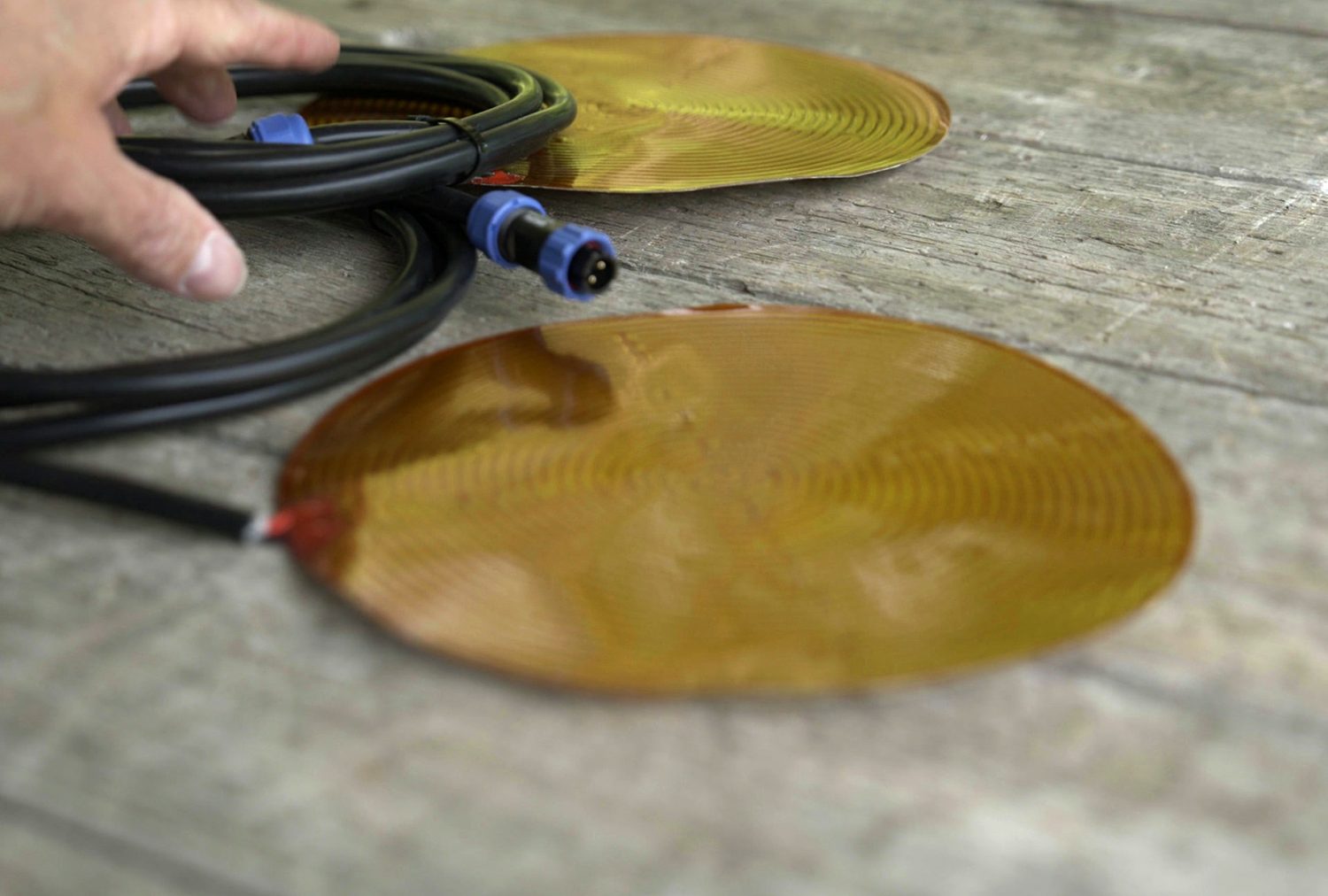
IR.Tools sells electric heater pads that stick to your existing steel. They work: "The heating is very minimal - they aren't even warm to the touch, but it's plenty for LWIR to get a solid color that stands out from the background. Those 12v batteries kept the targets heated for at least 3 hours in 50F weather."
The failure mode showed up as the first question in that same Sniper's Hide thread: "How do they stand up to heavy hits on steel? Any caliber restrictions?" The pad sits on the target face, in the impact zone, and you supply the steel, the battery, and the cabling yourself. What your optic sees is a bright patch on a plate, not a warm silhouette. It is a component, not a system.
Heated steel (Dynamic Range X1, Sisu Armes)
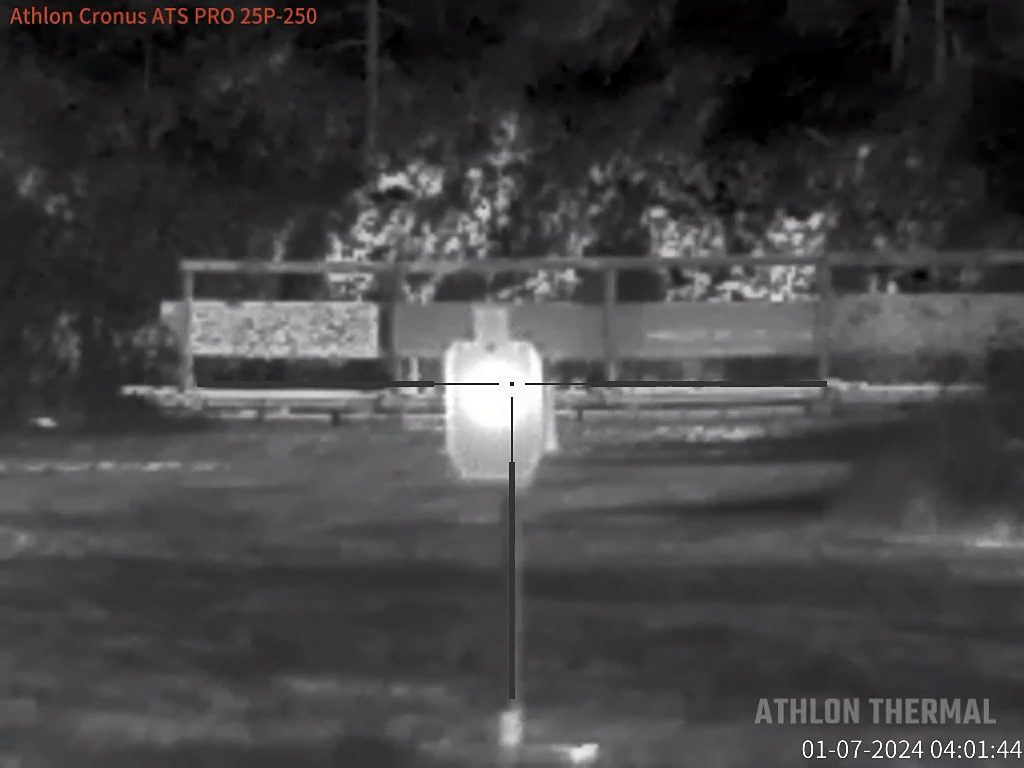
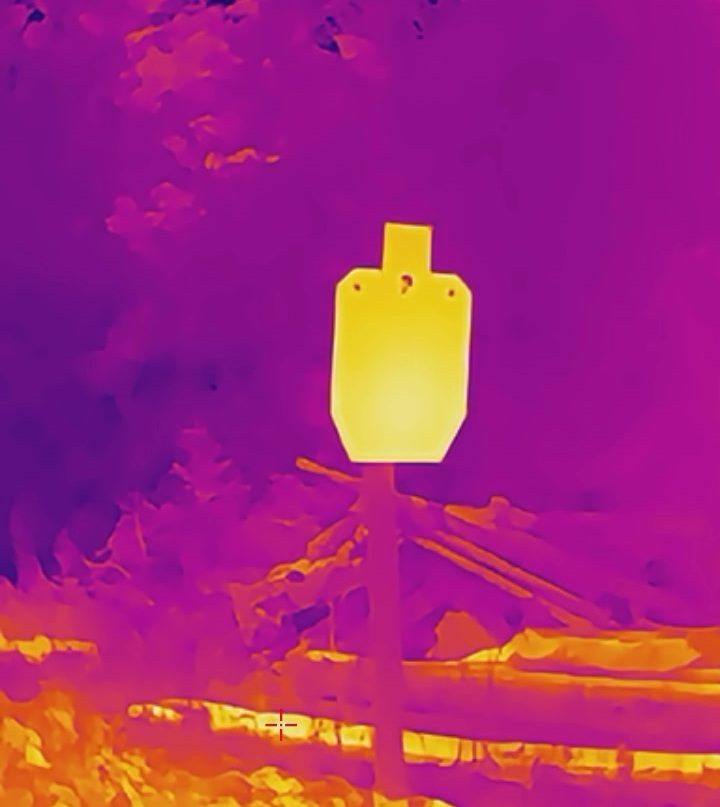
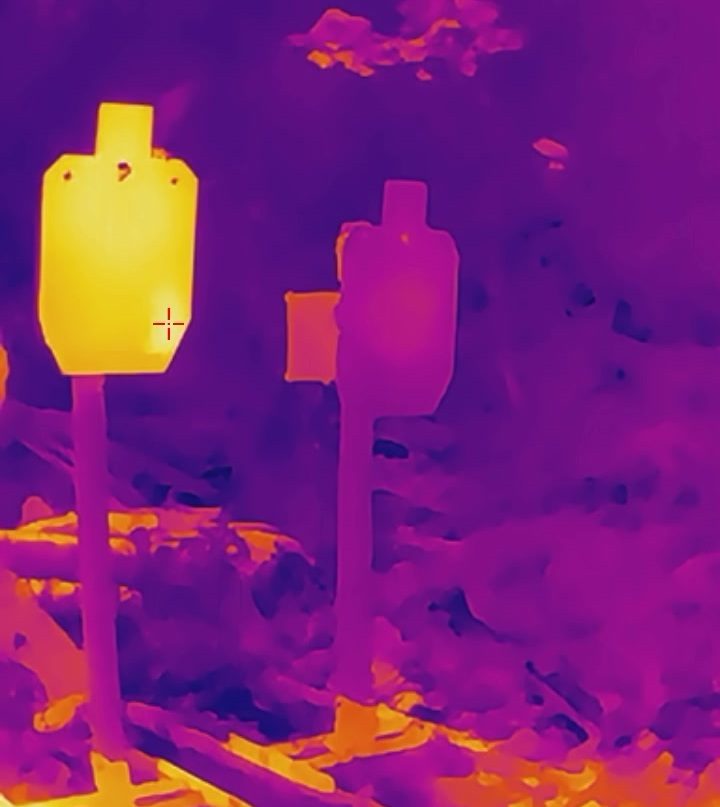
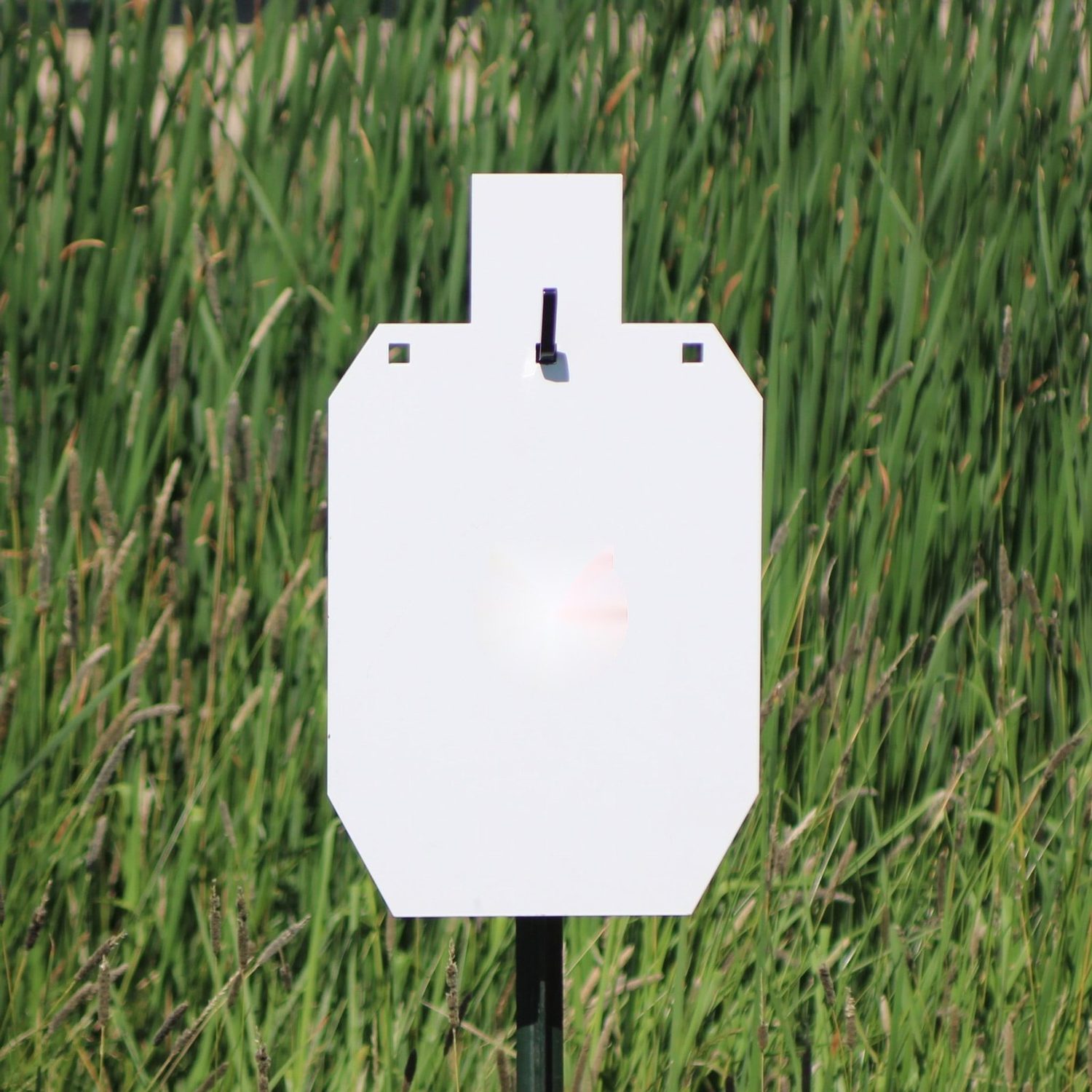
Heated steel warms the whole silhouette, so your thermal sees what it was built to see: a man-shaped heat signature. The steel takes the hits, the fresh bullet splashes show up as bright marks, and nothing is consumed on impact. This is the only category that works as a training target rather than a zeroing aid.

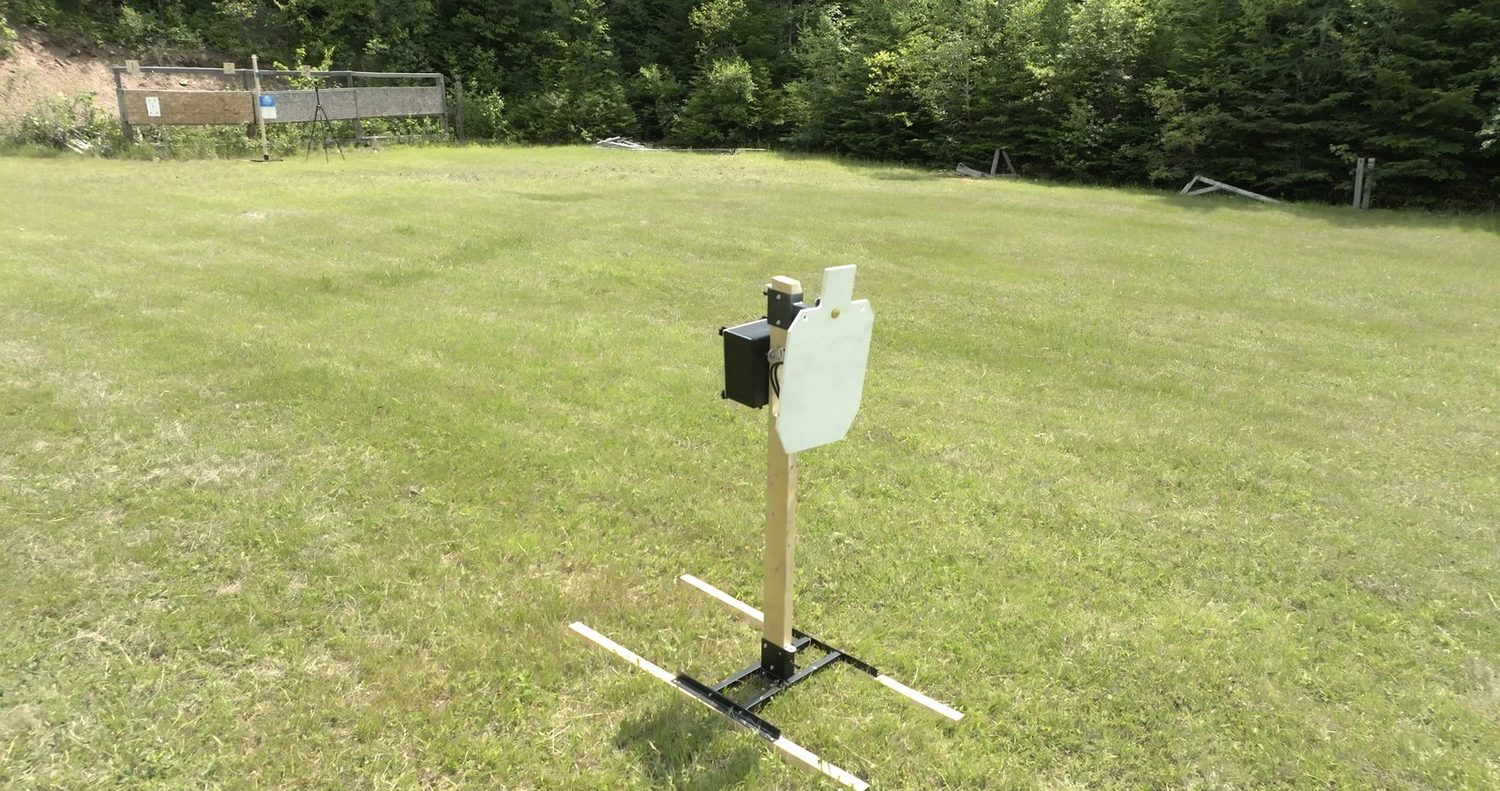
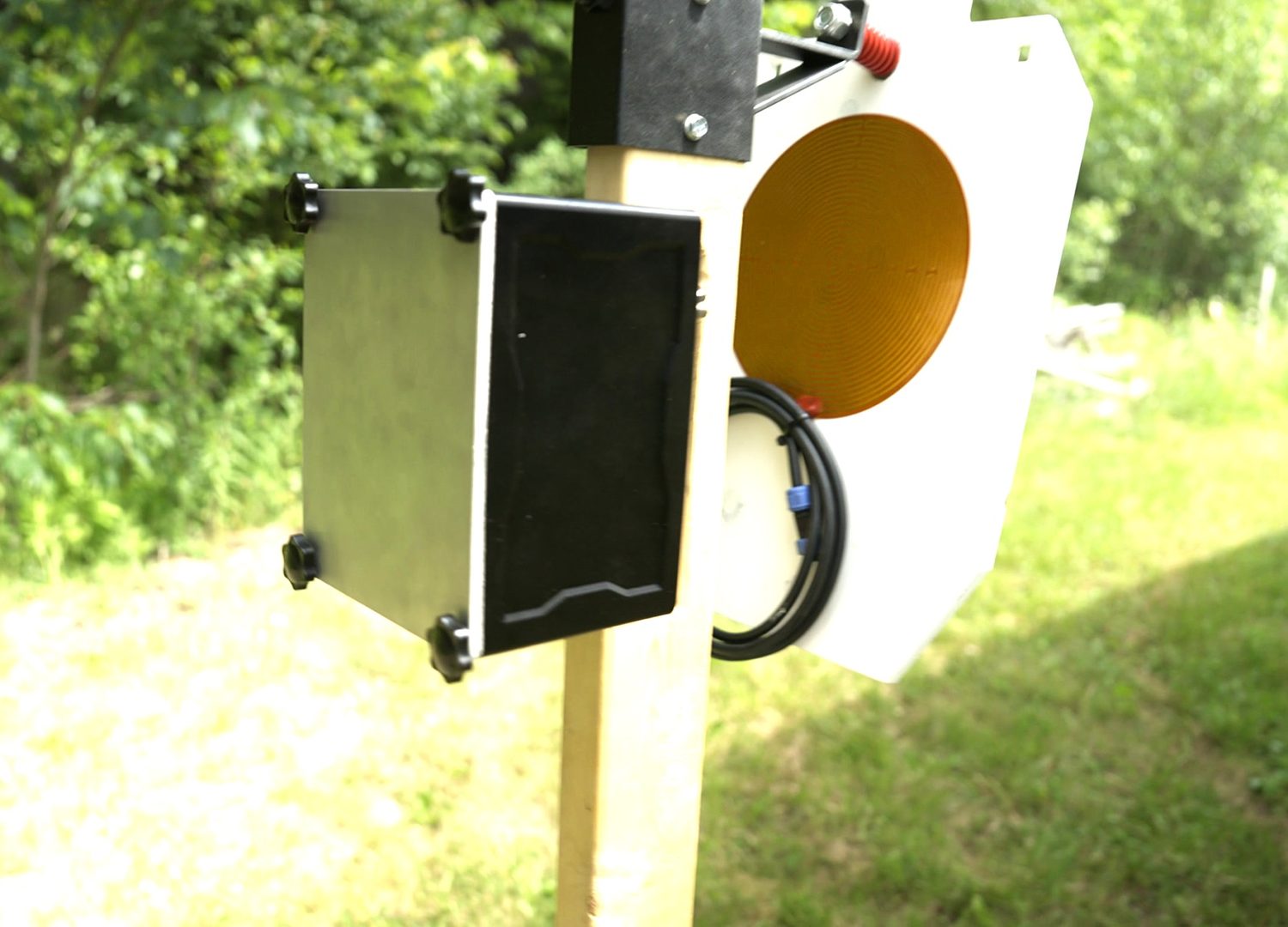
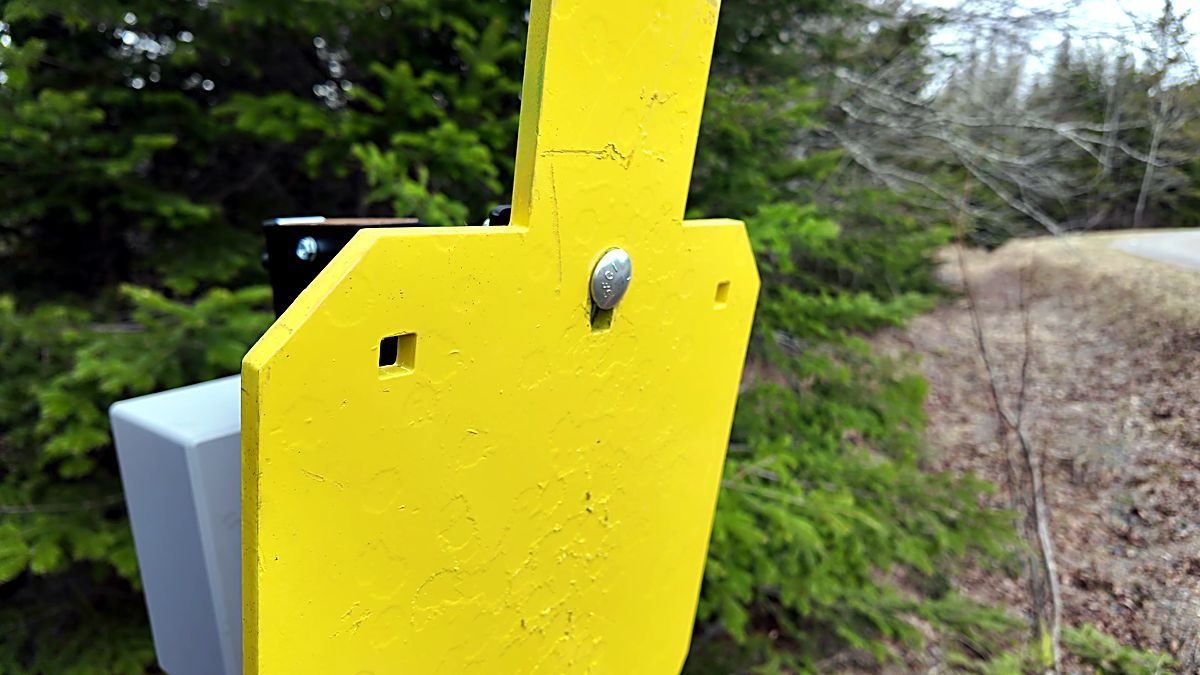
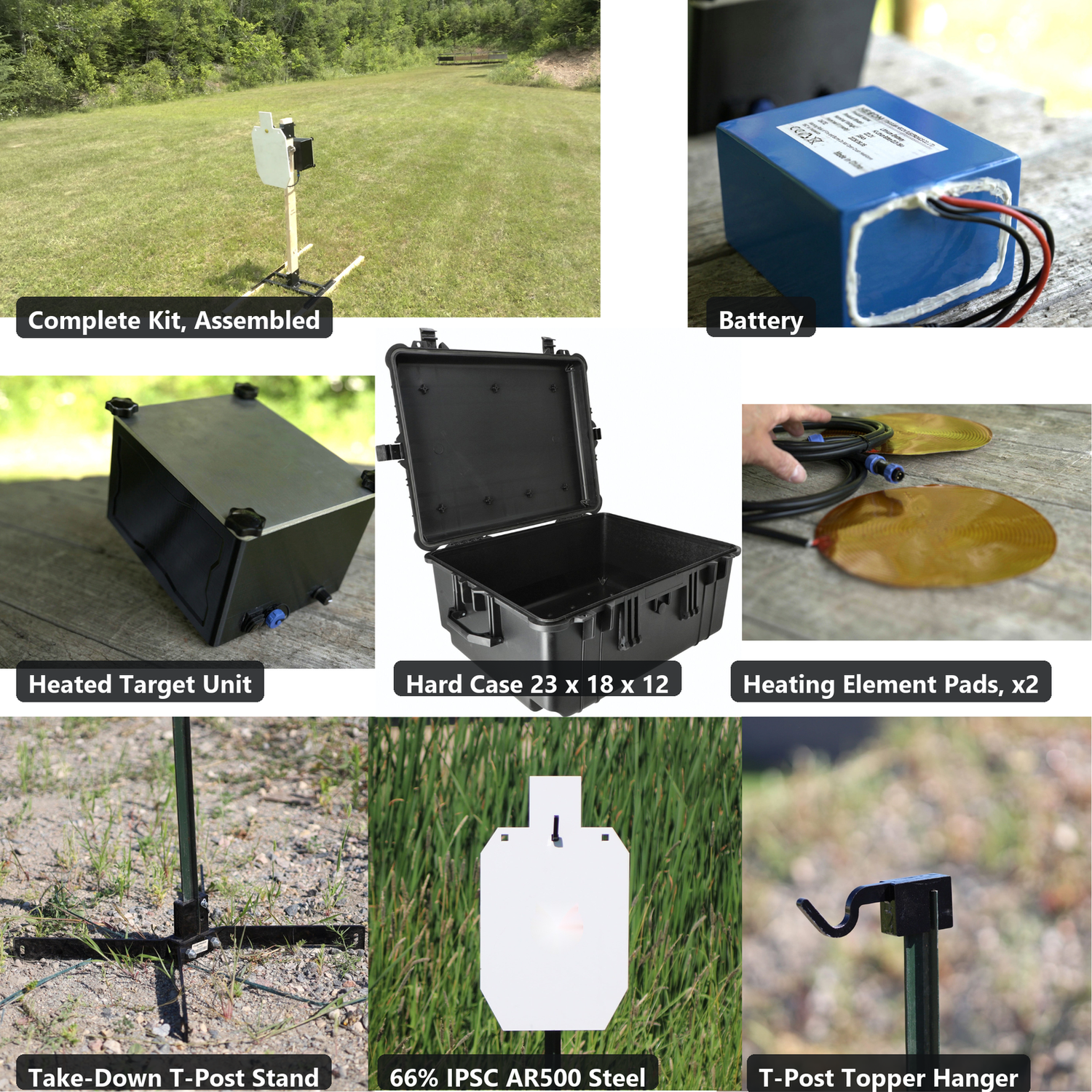
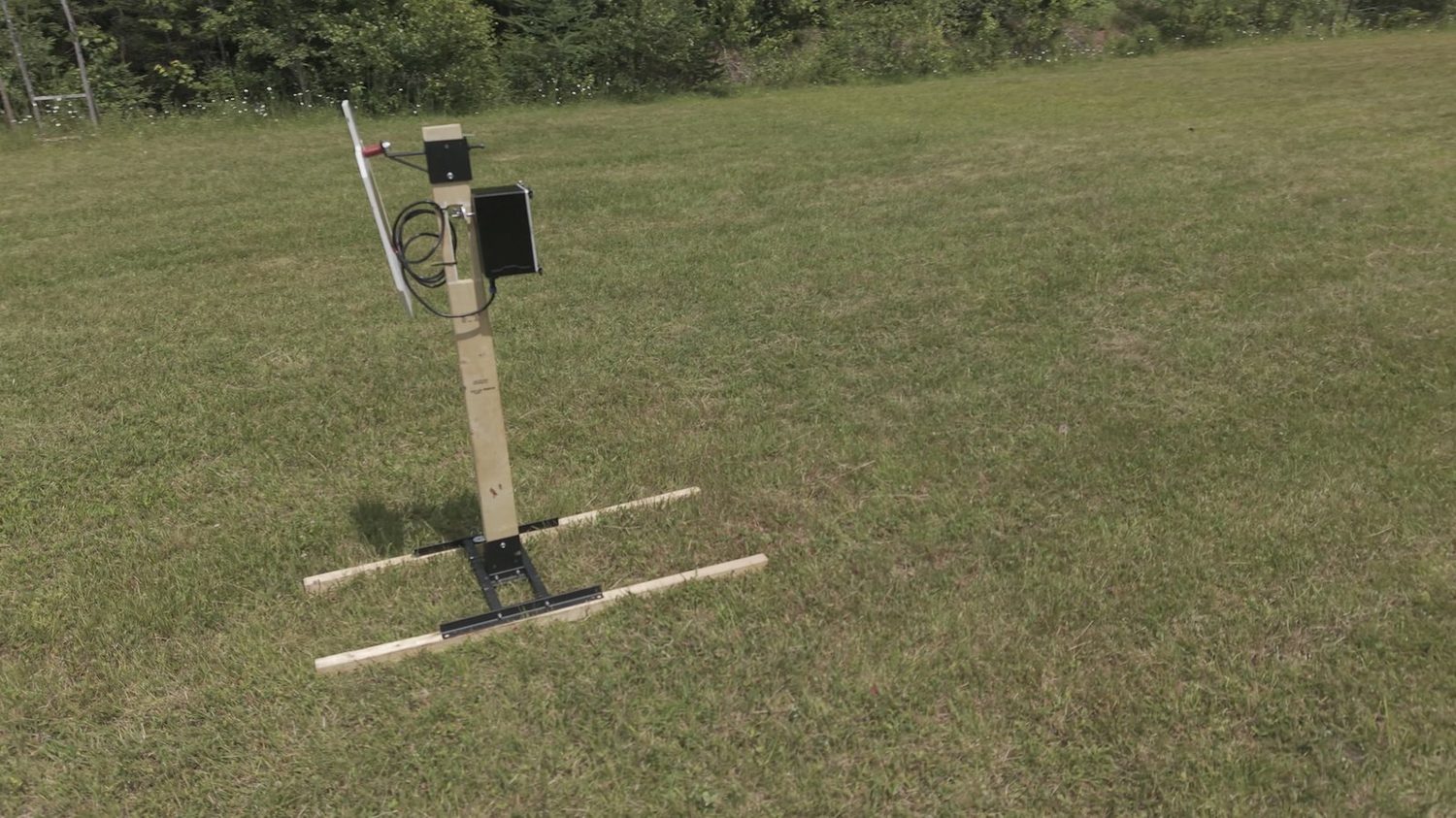
Two approaches exist. Sisu Armes heats steel with proprietary pyrotechnic flares, sold in HAZMAT-shipped cases, with systems running $2,800 to $3,000 and burn times measured in minutes per flare. The DRX1 Electric Thermal Optic Target heats an AR500 IPSC silhouette with a rear-mounted electric heater and a temperature dial: set the signature anywhere up to about 100°C and it holds there instead of decaying. The full comparison is in heated target vs flare target.
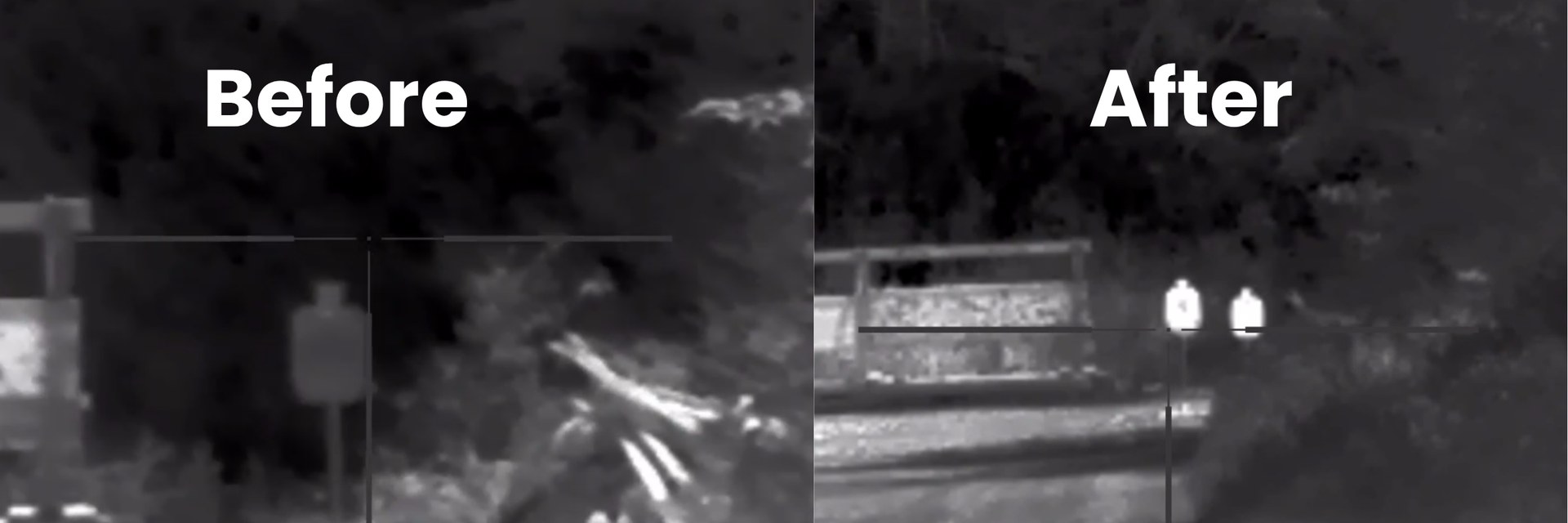
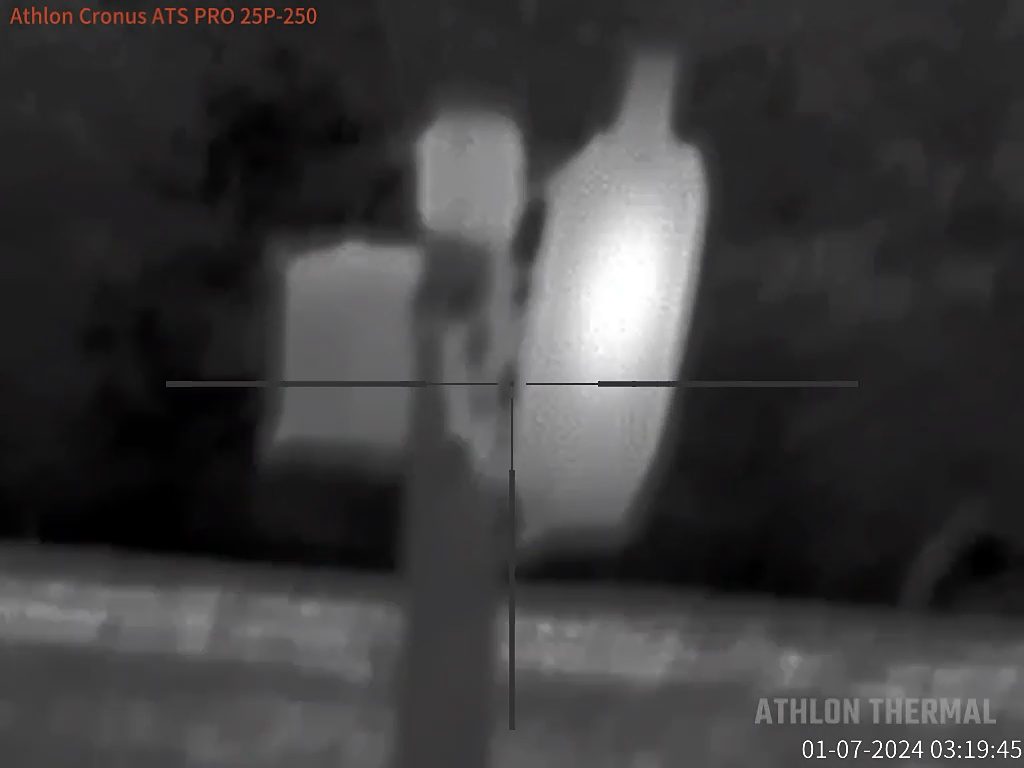
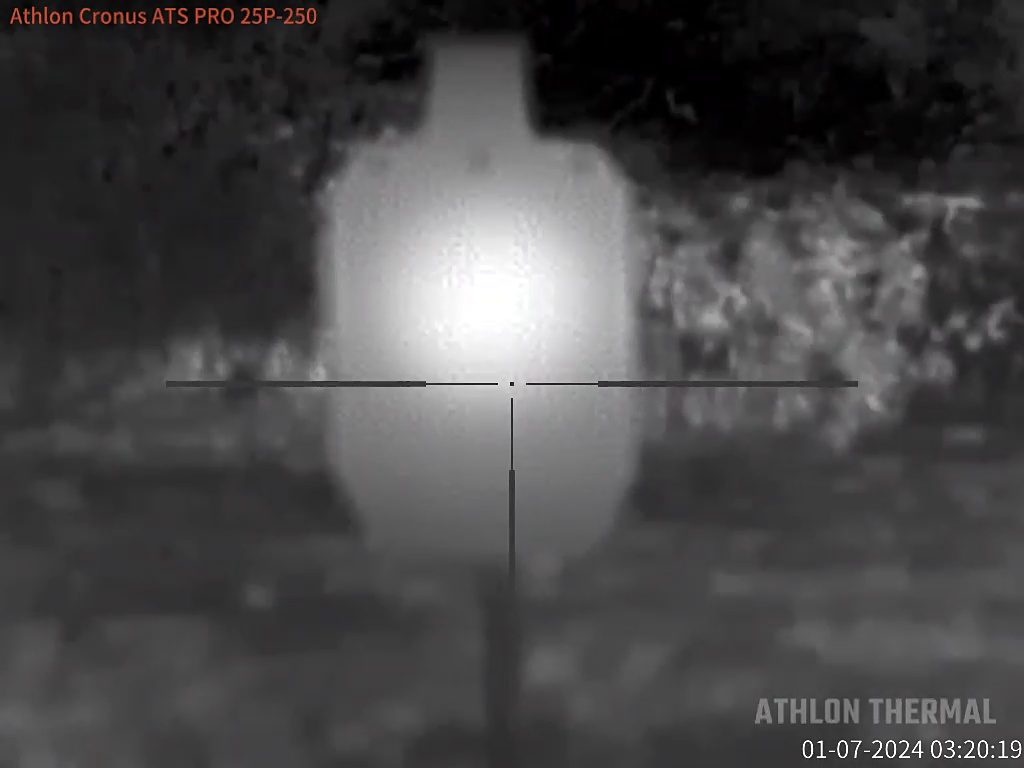
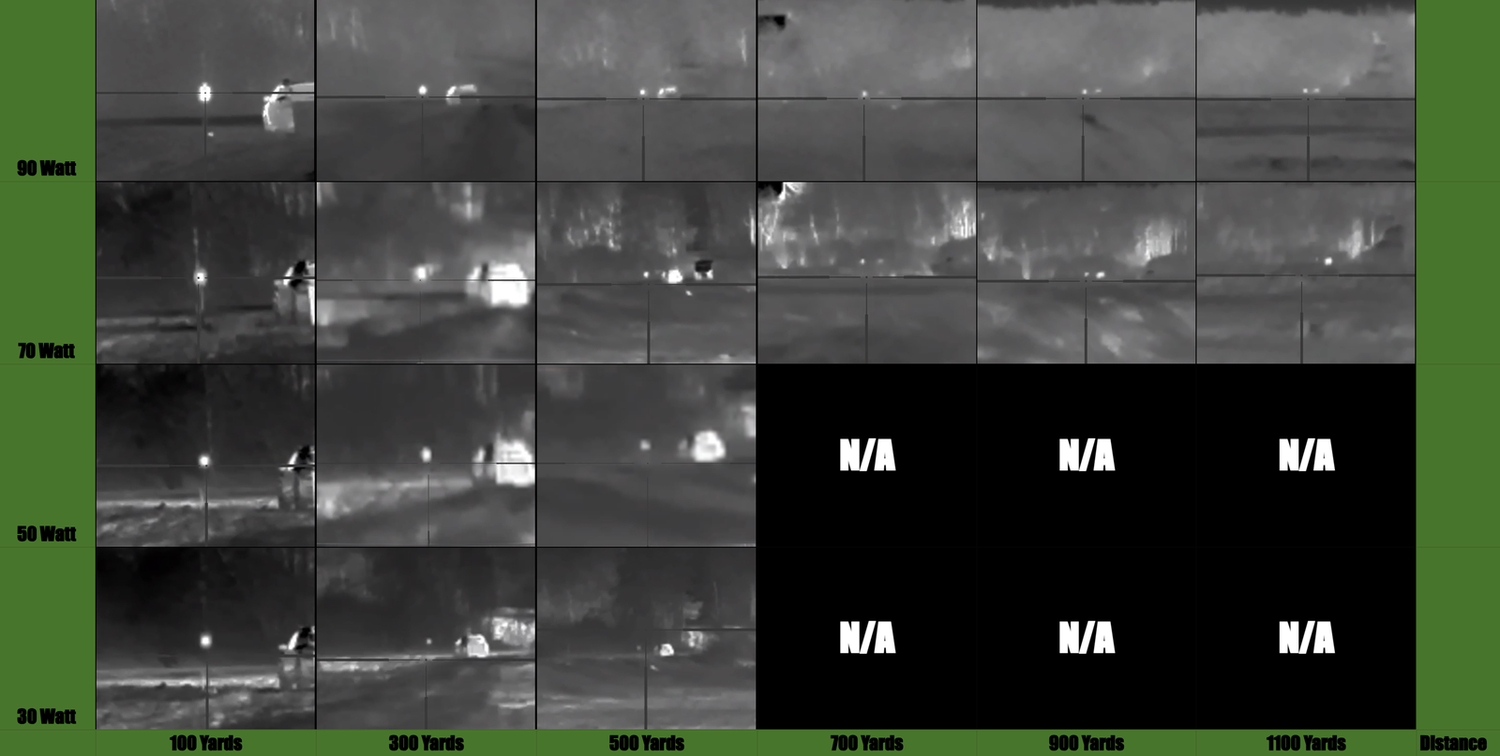
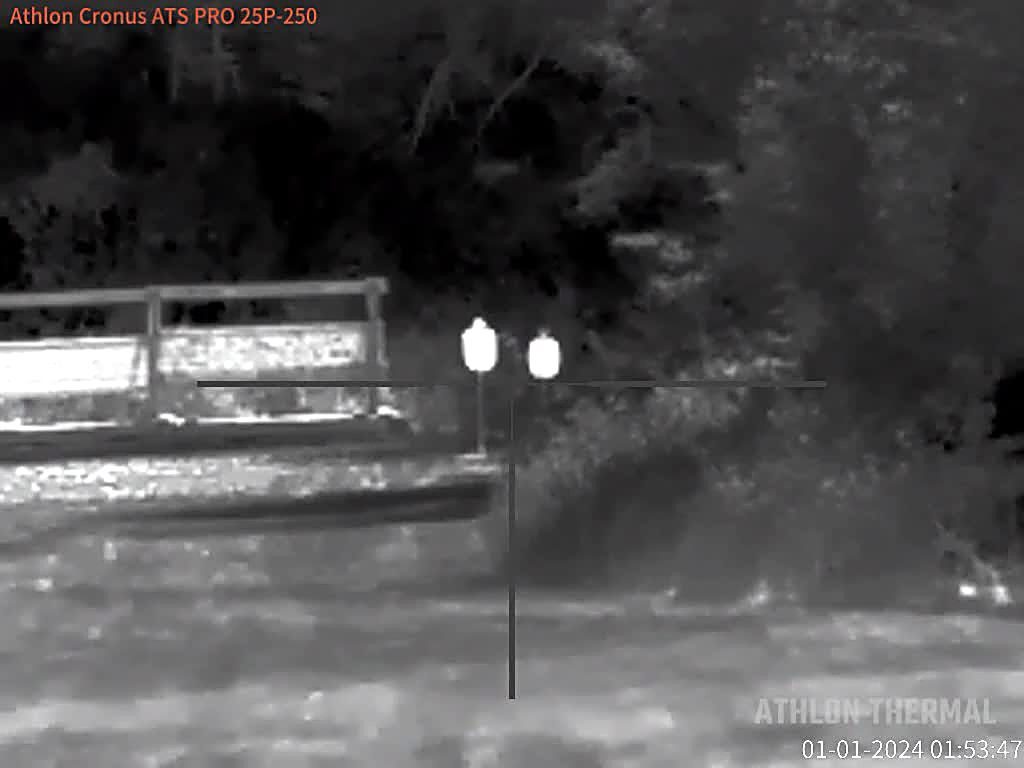
On distance, here is the honest version from our own through-the-optic footage: the DRX1 Electric Thermal Optic Target out-glows a live human standing next to it at 300 meters, is unmistakable at 400, and at 600 meters it is still visible, but it reads as a speck, not a silhouette. If a company tells you their target looks like a movie poster at 600 meters, they haven't filmed it.
There is also a solid-fuel option, the DRX1 Solid Fuel Thermal Optic Target, which bolts to an unmodified IPSC silhouette and burns retail charcoal briquettes for 3+ hours per load with no electronics at all. It is the short-range sport and training pick; the long-range work belongs to the Electric. How the whole category works is covered in what is a heated thermal target.

Comparison table
Category | Example | Best at | Failure mode | Survives hits |
Passive pads | Down Range Thermal | Zeroing | Consumable, needs sky angle, short range | No |
Sky-reflectors | ThermBright | Long-range aiming point | Needs open sky, no warm signature | Panel degrades |
Reactive | Shoot-N-Glow ($99.99) | Hit feedback | Weak glow on warm days | Consumable |
Electric heater pads | IR.Tools | Adding heat to your steel | Pad sits in the impact zone, DIY assembly | Pad at risk |
Heated steel | DRX1 Electric Thermal Optic Target, Sisu ($2,800–$3,000) | Training, impacts, realism | Highest cost, flares need HAZMAT fuel (Sisu) | Yes |
DRX1 Electric Thermal Optic Target quick specs
AR500 IPSC silhouette with rear-mounted, insulated electric heater
Temperature dial, settable up to about 100°C — hold a human-range signature or run hotter for contrast
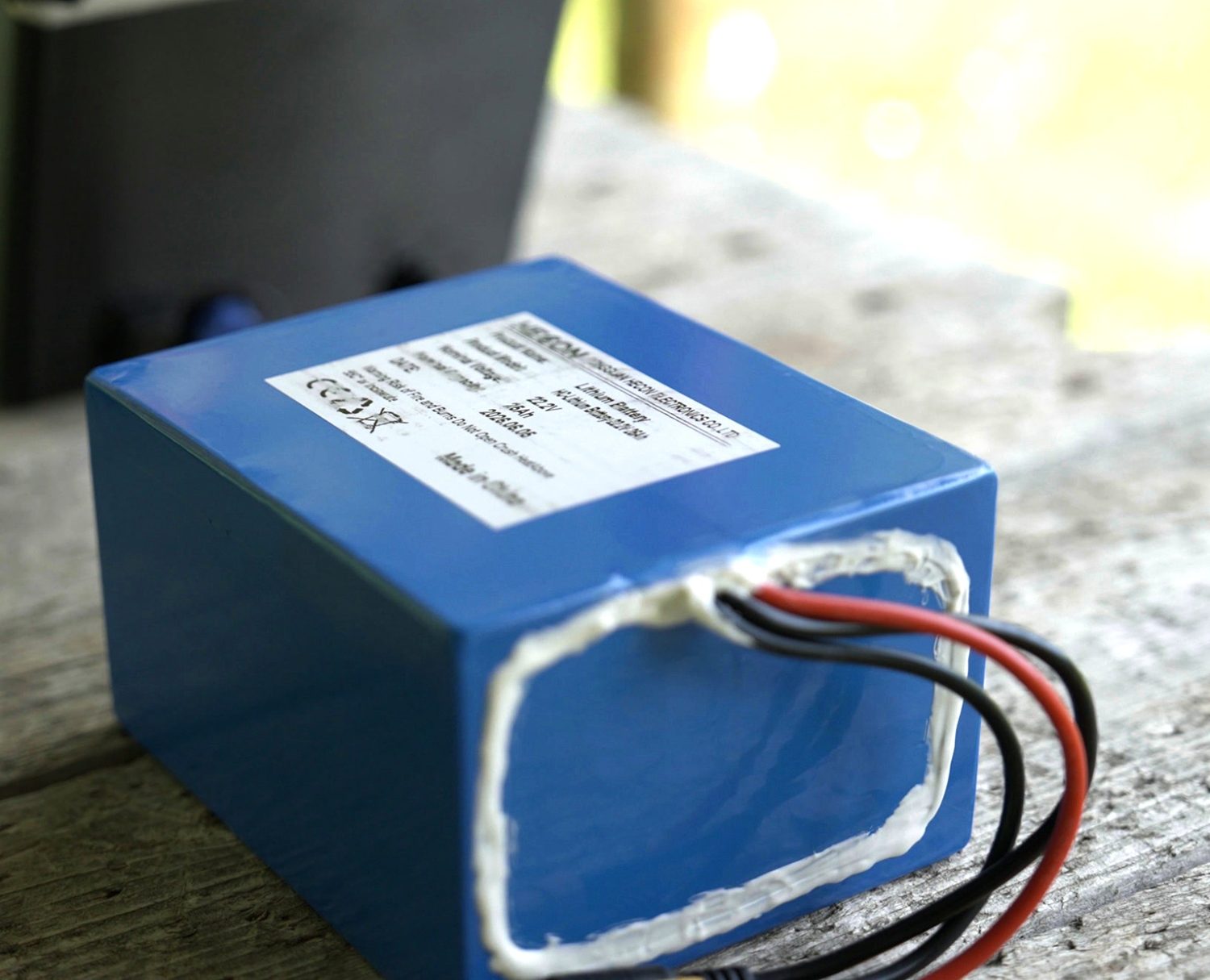
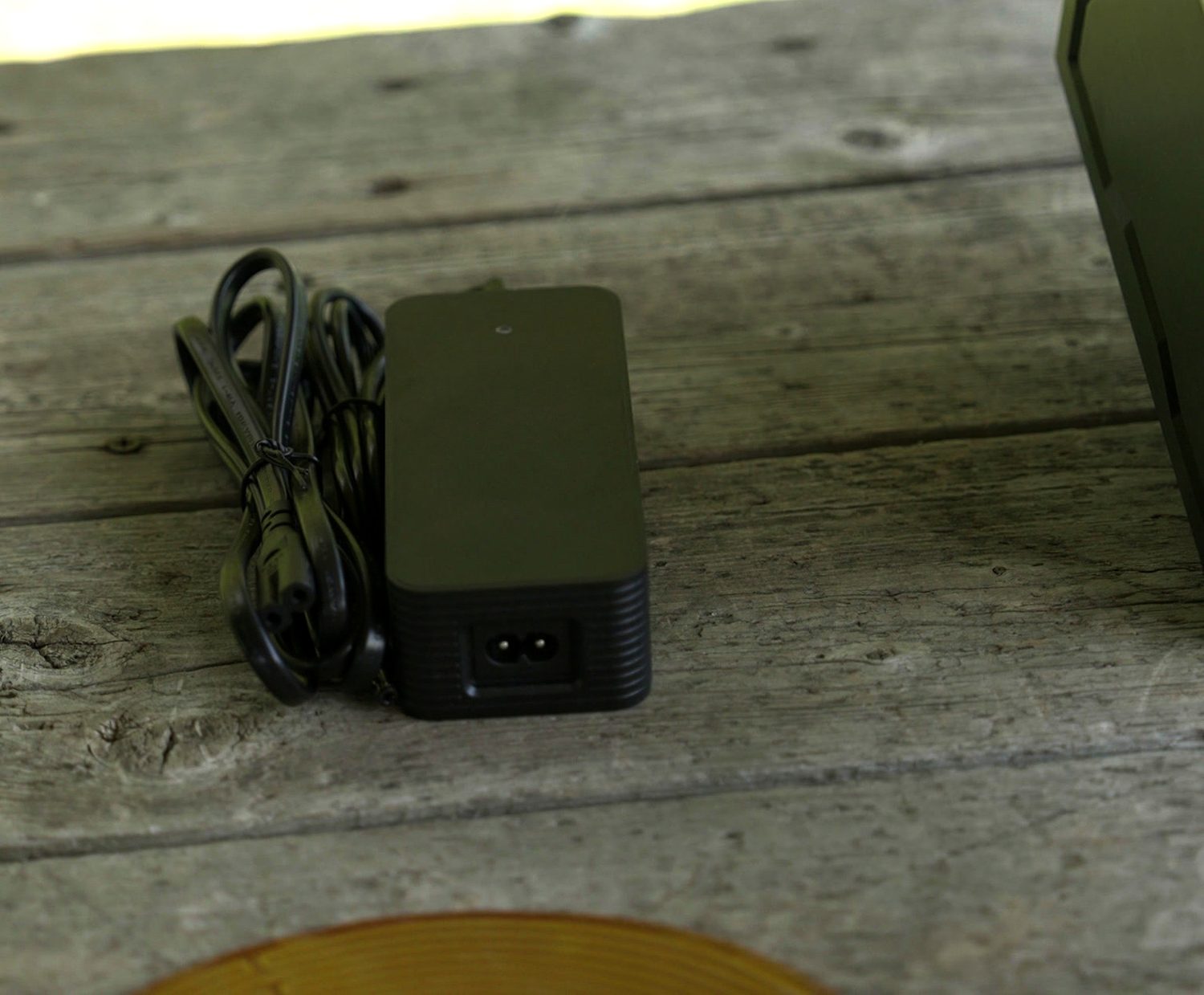
5 hours per charge on the big battery at 100 W; recharge from dead in about 6 hours
Proven outdoors at −10°C, holding a clear signature at only 30 W
Electronics sit behind the steel, out of the impact zone; two spare heater elements ship in the box
Water-resistant: any rain is fine, it just can't go underwater
Out-glows a human at 300 m, unmistakable at 400 m, visible at 600 m
FAQ
At what distance can I see it? My mate struggles to see his target past 50M.
A full-size warm IPSC silhouette is a different animal than a hand warmer. The DRX1 Electric Thermal Optic Target out-glows a human at 300 m, is unmistakable at 400, and is visible at 600. Thermal imagers resolve temperature differences under 1°C, so contrast, not raw heat, is what carries.
How do they stand up to heavy hits on steel? Any caliber restrictions?
The caliber rating belongs to the steel, not the heating system. Whatever your AR500 plate is rated for, the target is rated for. On the Electric, all electronics sit behind the plate, so hits on the heater aren't a normal-use issue, and two spare heater elements ship in the box.
Does it work in the dark or when it's cloudy? Does humidity affect it?
Yes. Heated steel radiates its own heat instead of reflecting the sky, so dark, overcast, fog, and snow don't matter. That is the core difference from reflectors and reactive targets, which depend on sky or sun.
Won't heating the steel ruin it? AR500 softens with heat.
Both DRX1 systems run under a hard ceiling below 200°C in any condition. AR500 doesn't start tempering until well past that, so the steel keeps its hardness for its entire life.
Why not just tape hand warmers to the target?
You get a fading blob that blooms, dies in the cold, and quits after one good hit. A heated silhouette gives you a crisp man-shaped signature that holds for hours and survives the shooting. The full DIY rundown is in DIY thermal targets.
How long does the battery last?
Five hours per charge on the big battery, running 100 W to hold a 66% IPSC plate at 100°C. Recharge from dead takes about six hours. At −10°C the target held a clear signature drawing only 30 W.




Comments