
Electric vs. Solid-Fuel Heated Targets: Which One Do You Need?
Pick electric if you shoot at distance, want to set an exact temperature, and don't mind charging a battery. Pick solid-fuel if you want zero electronics on your range and fuel you can buy at any gas station. The DRX1 Electric Thermal Optic Target runs 5 hours per charge with a temperature dial; the DRX1 Solid Fuel Thermal Optic Target burns retail charcoal briquettes for 3+ hours with no batteries, no wiring, and nothing to charge.
Both put a warm human-shaped signature on AR500 steel that your thermal optic reads as a real target. The rest of this article is the decision framework.
How to decide in four steps
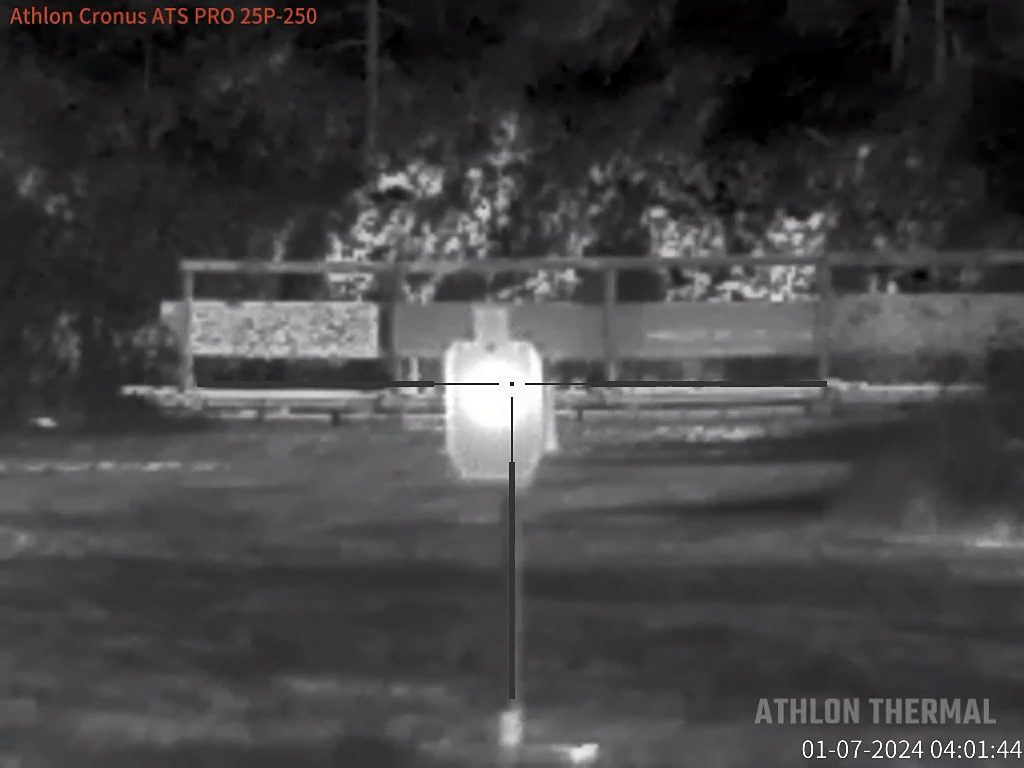
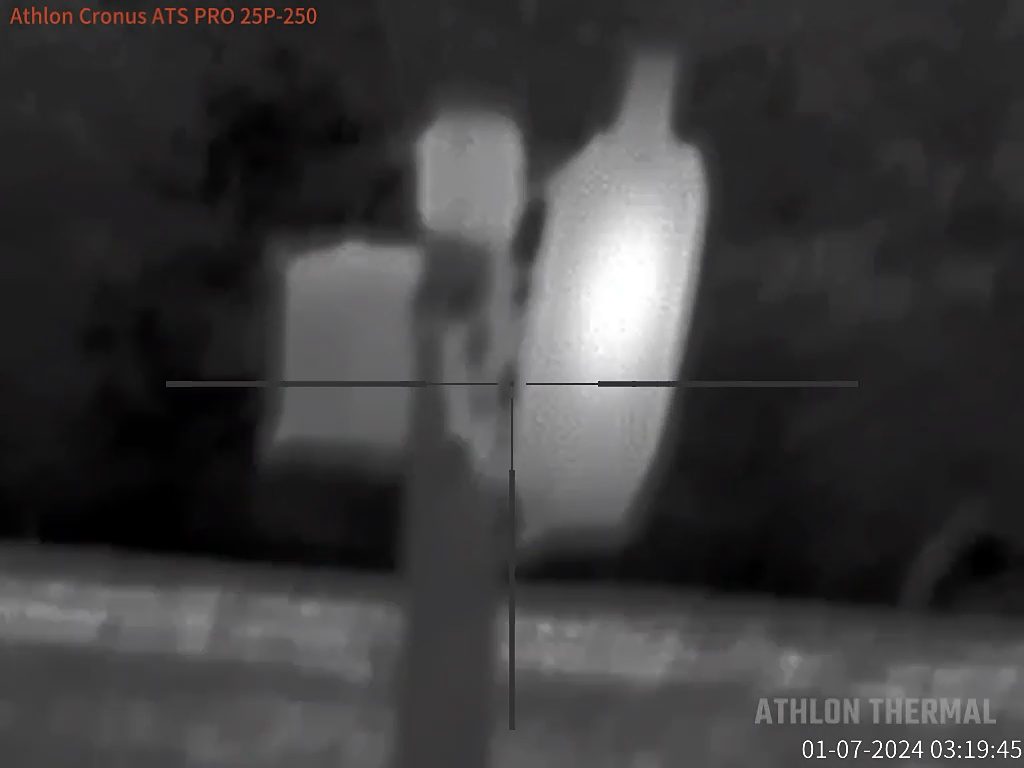
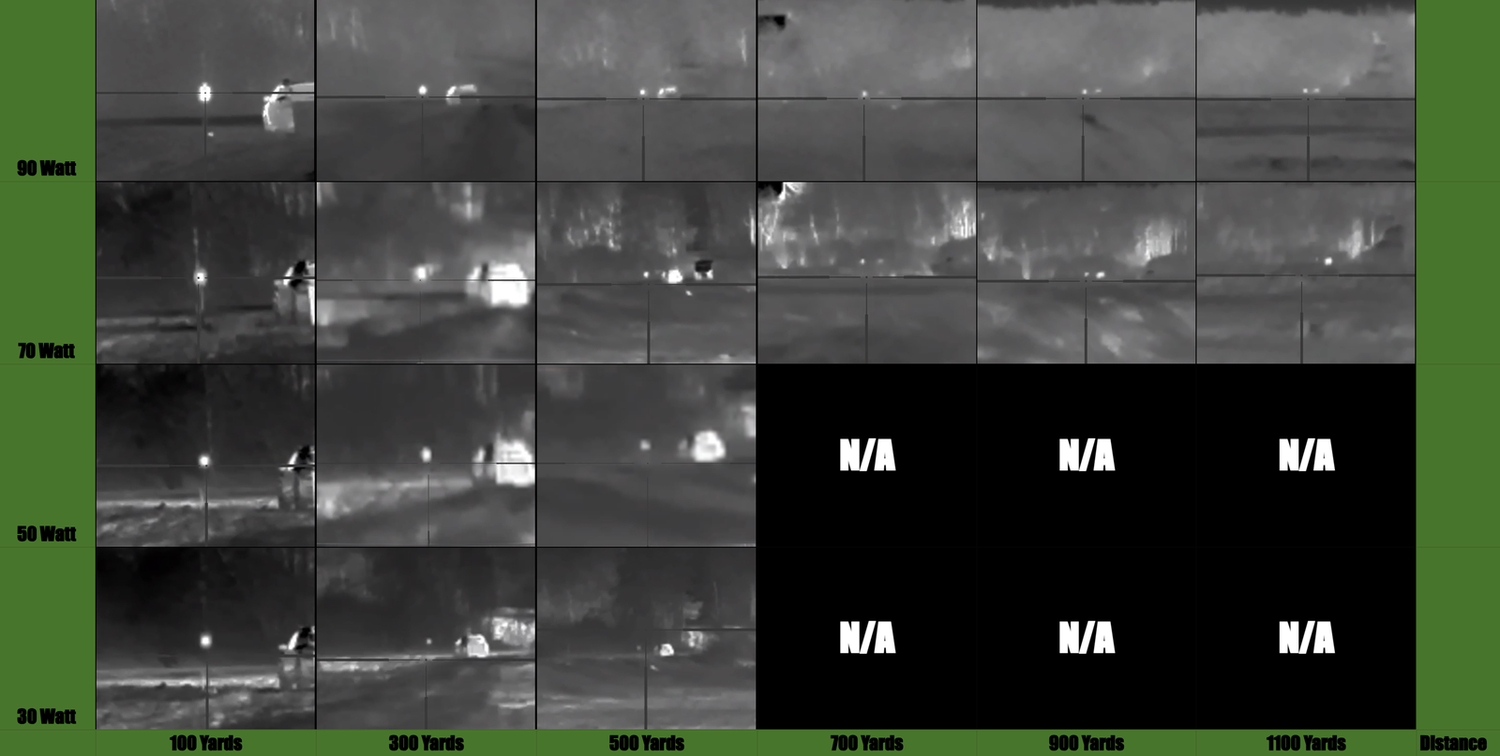
Name your shooting distance. Long-range and sniper training belongs to the electric model. It out-glows a human at 300 m, is unmistakable at 400 m, and visible at 600 m. The Firebox is built for short-range sport and training sessions — handgun, PCC, rifle.
Decide if you need a set temperature. The electric model has a potentiometer dial. Turn it to human-body range for detection training or run it hotter for contrast at distance, up to about 100°C. The Firebox burns at whatever the fuel gives you, held safely below 200°C by design.
Check your power situation. No outlet, no charger, no patience for batteries: Firebox. Fine with a ~6 hour charge before range day: electric.
Count your setup tolerance. The Firebox is load, light, shoot. The electric is mount, plug, dial, shoot. Both are one-person jobs with no tools.

What the electric heated target does that solid fuel can't
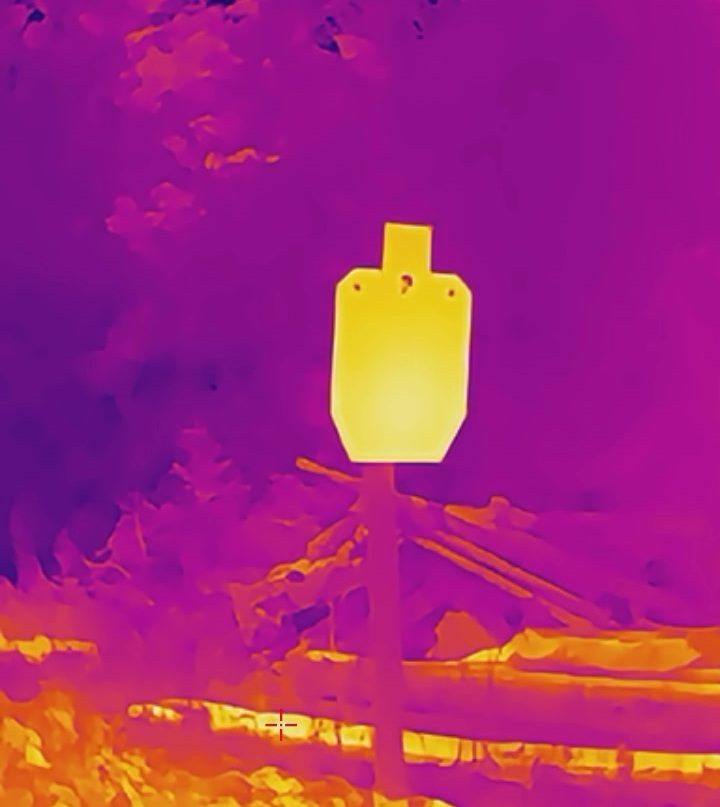
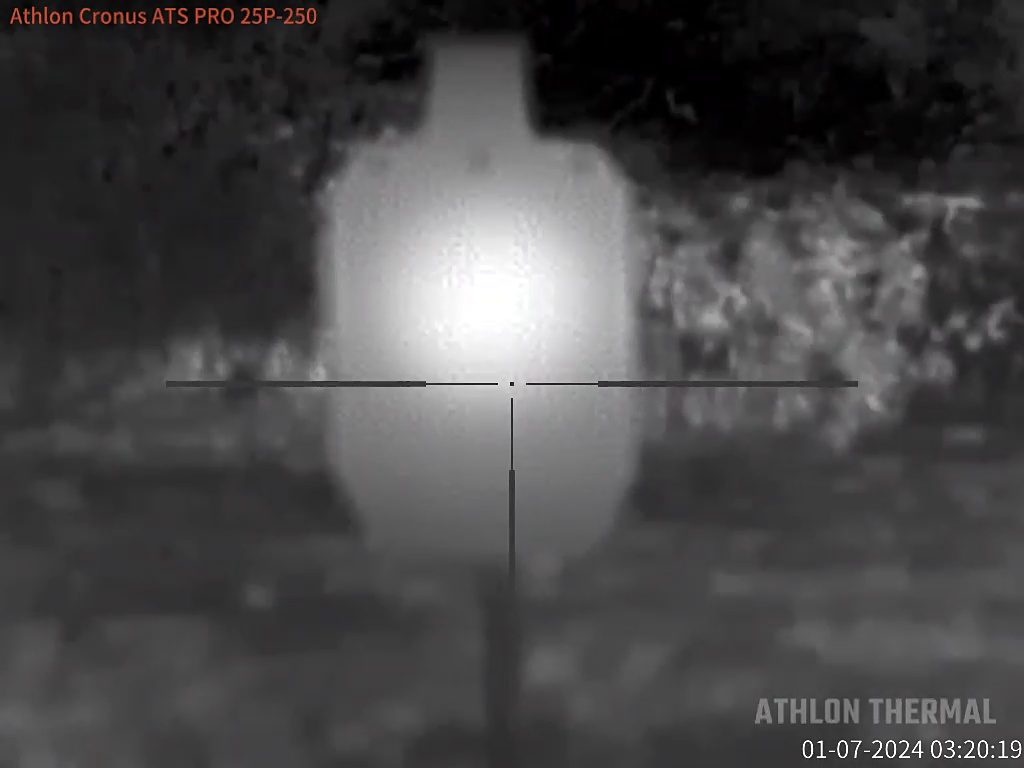
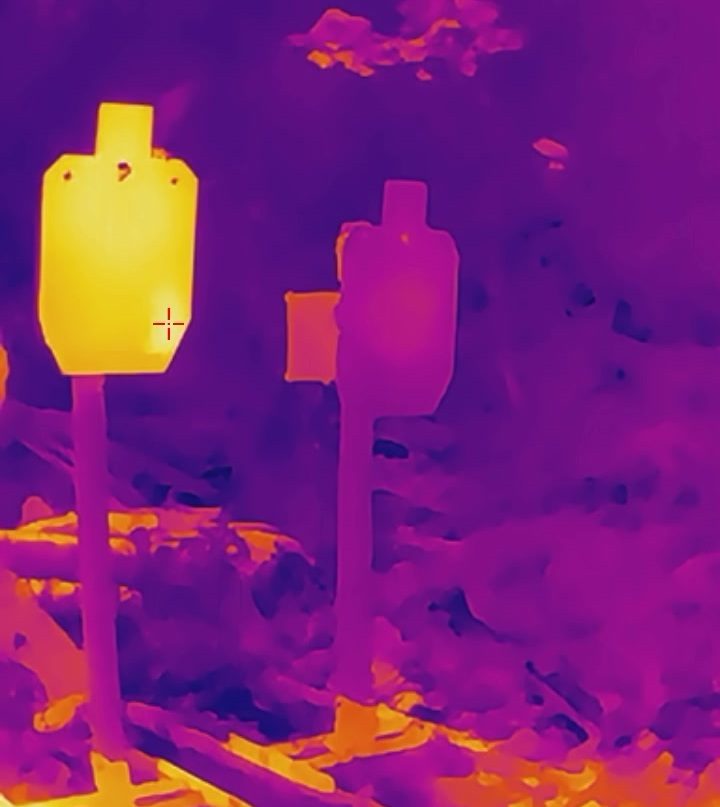
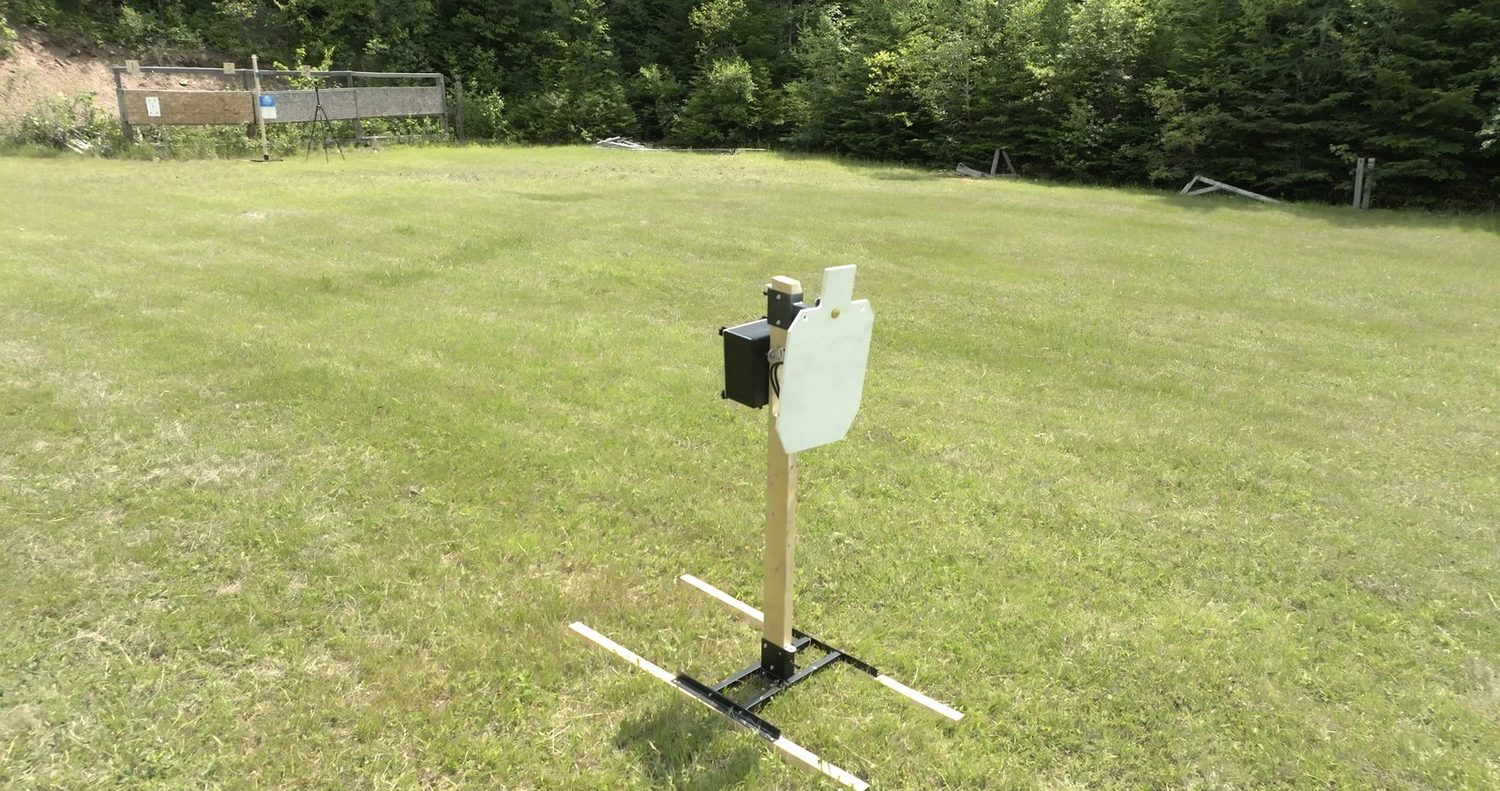
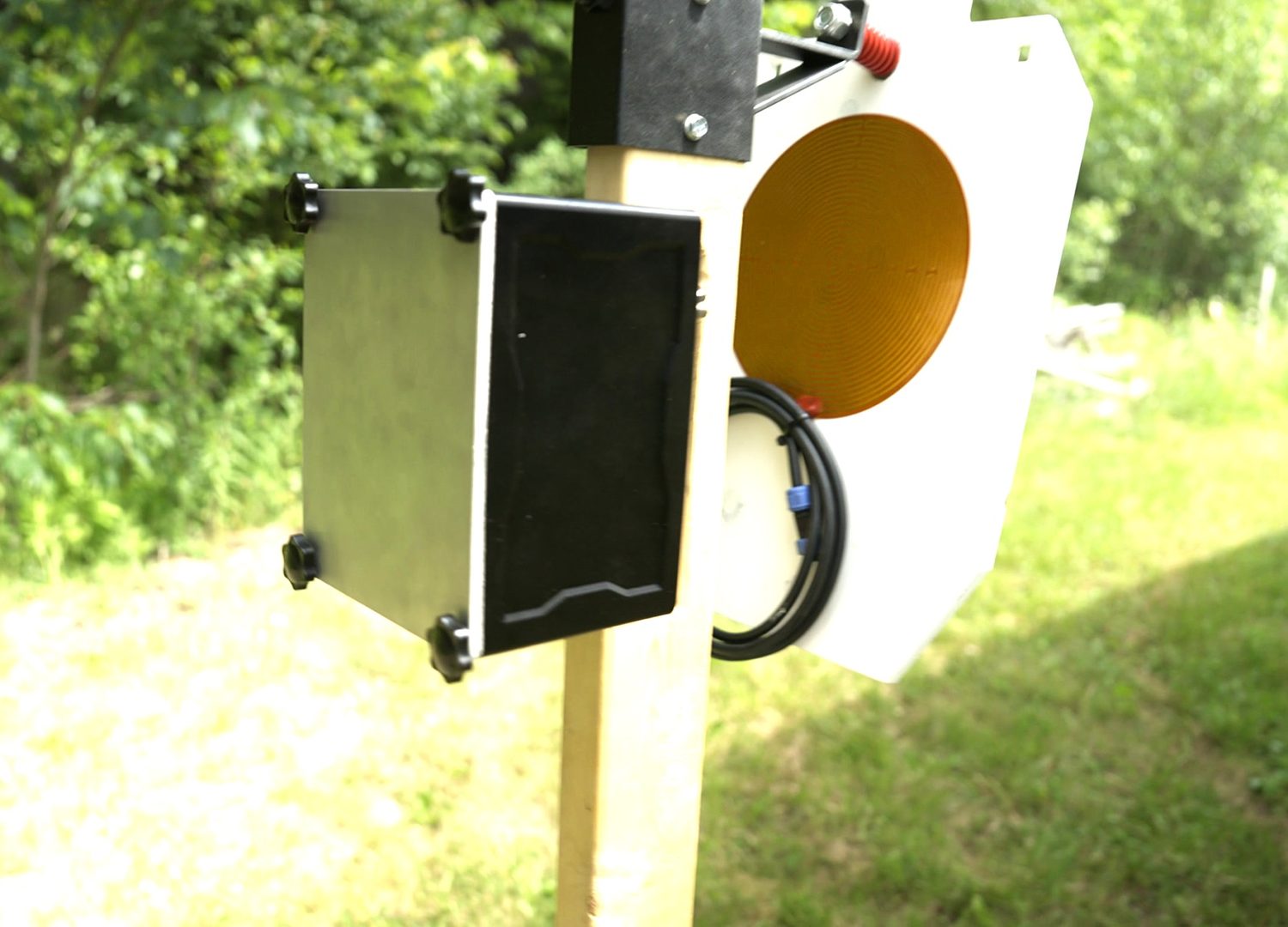
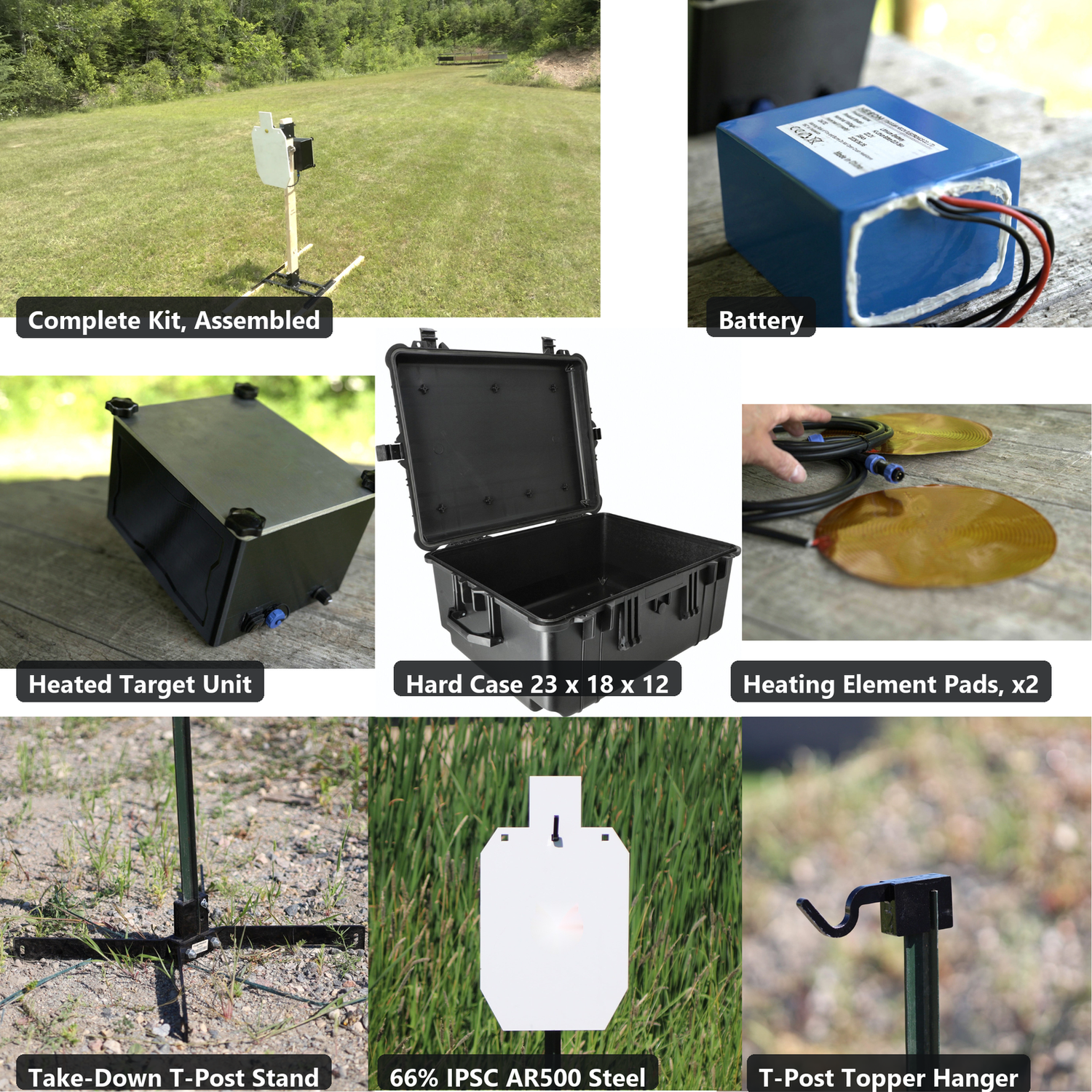
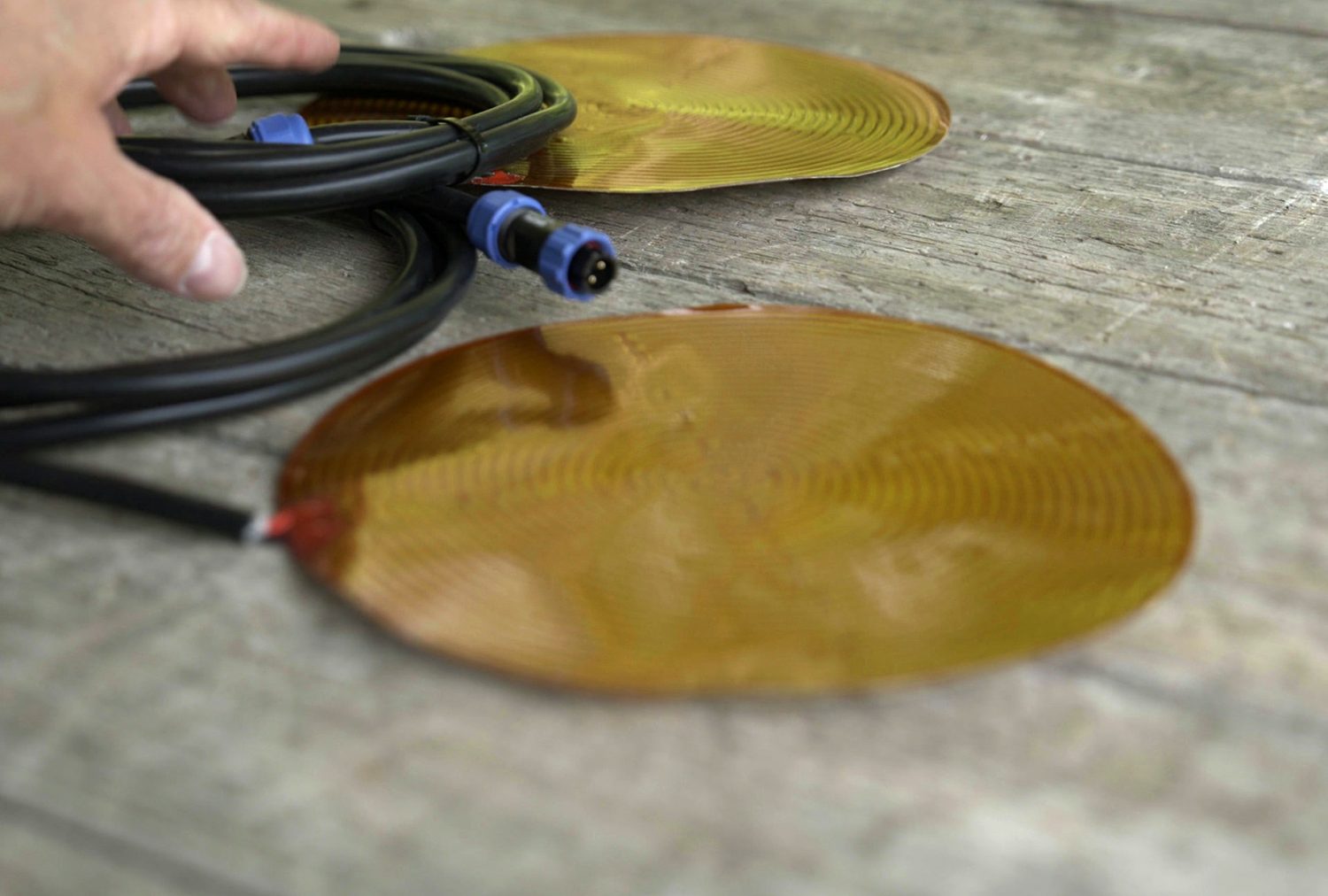
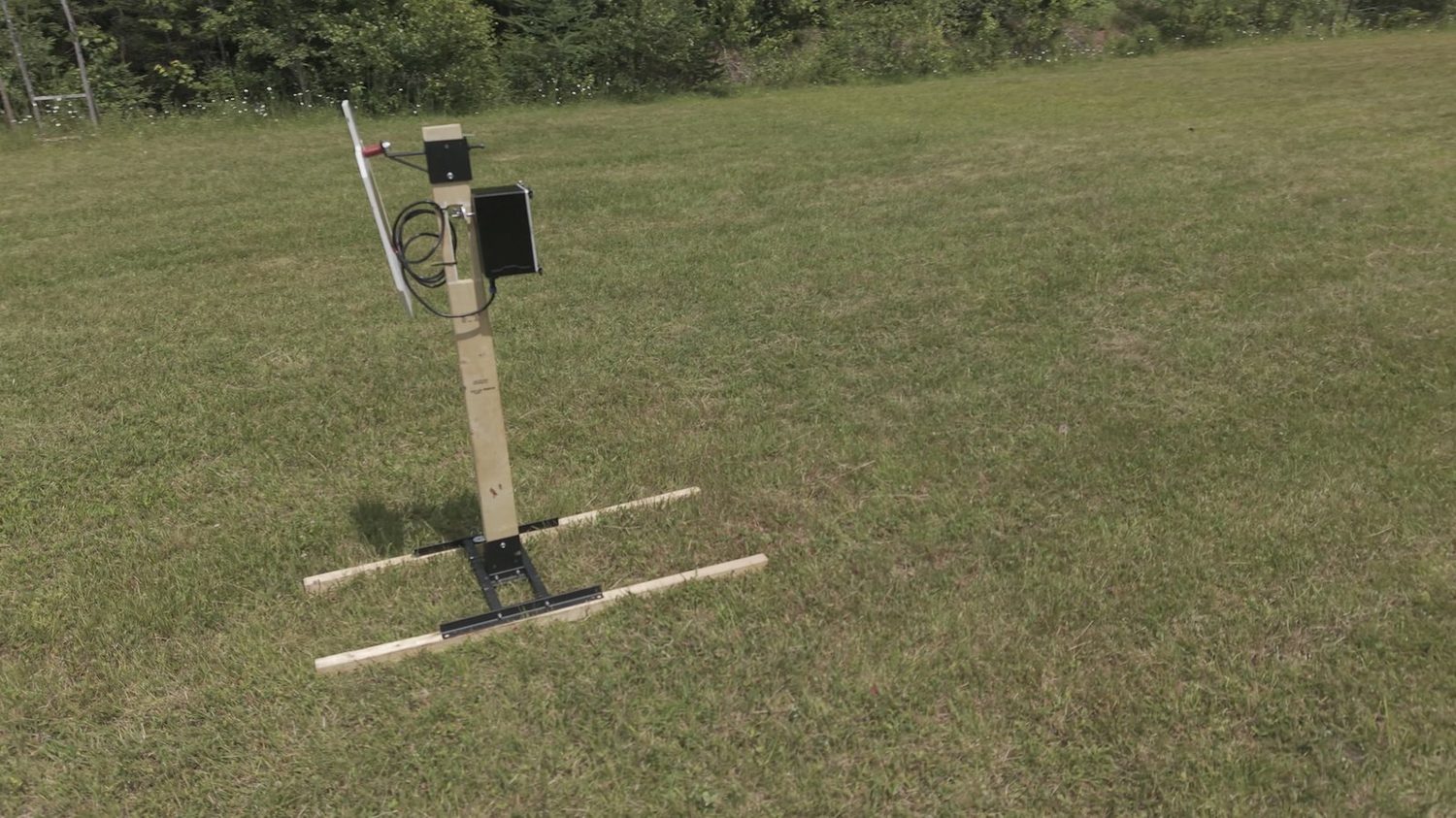
The DRX1 Electric Thermal Optic Target is the temperature-controlled option. You set the signature with a dial and it holds it. At 100 watts — roughly the heat output of a sedentary human — the plate reads like a person standing downrange. That is the training signature no flare, heat pad, or firebox can replicate, because everything else dumps uncontrolled heat that starts decaying the moment it lights.
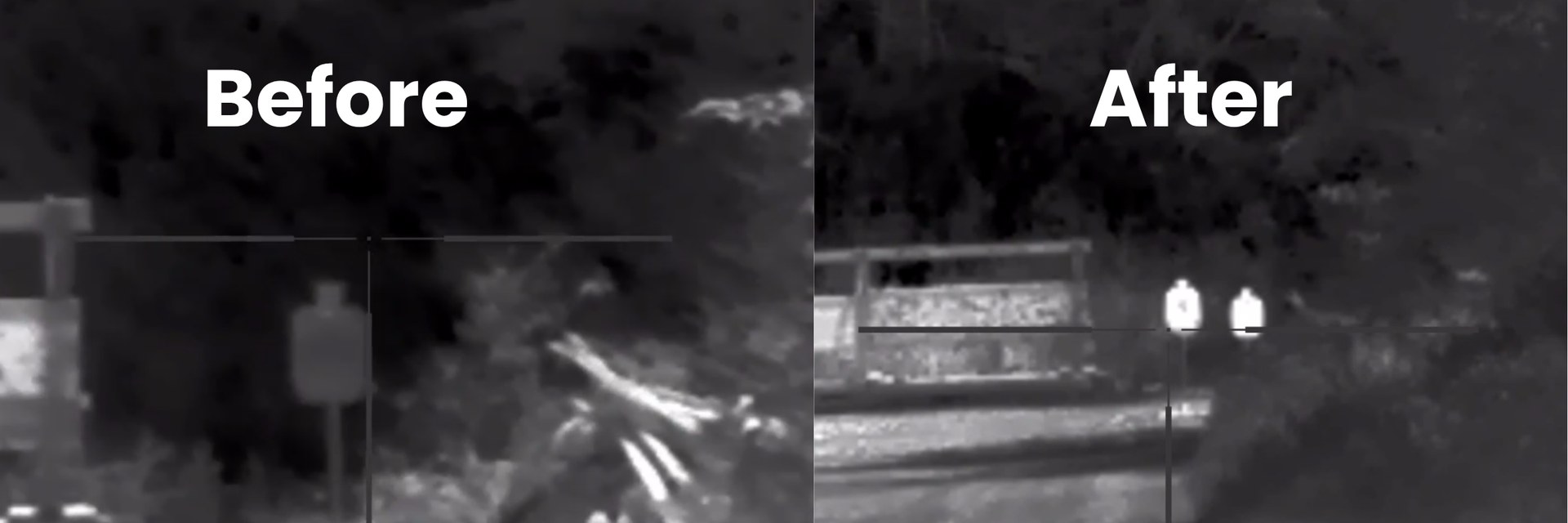
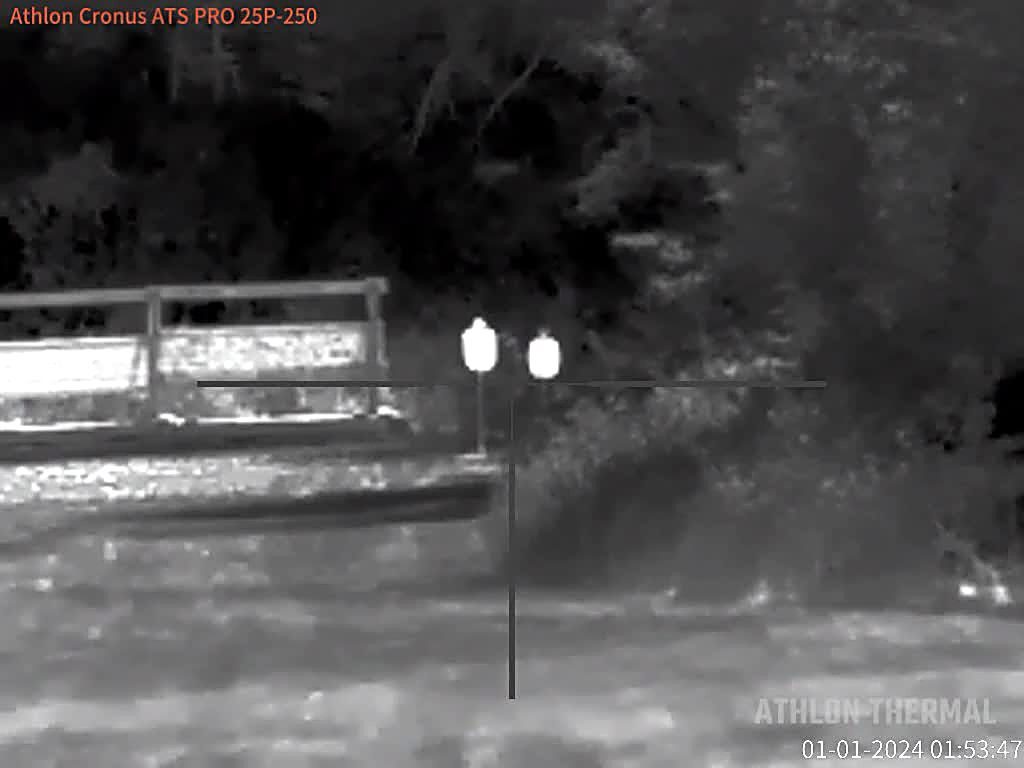
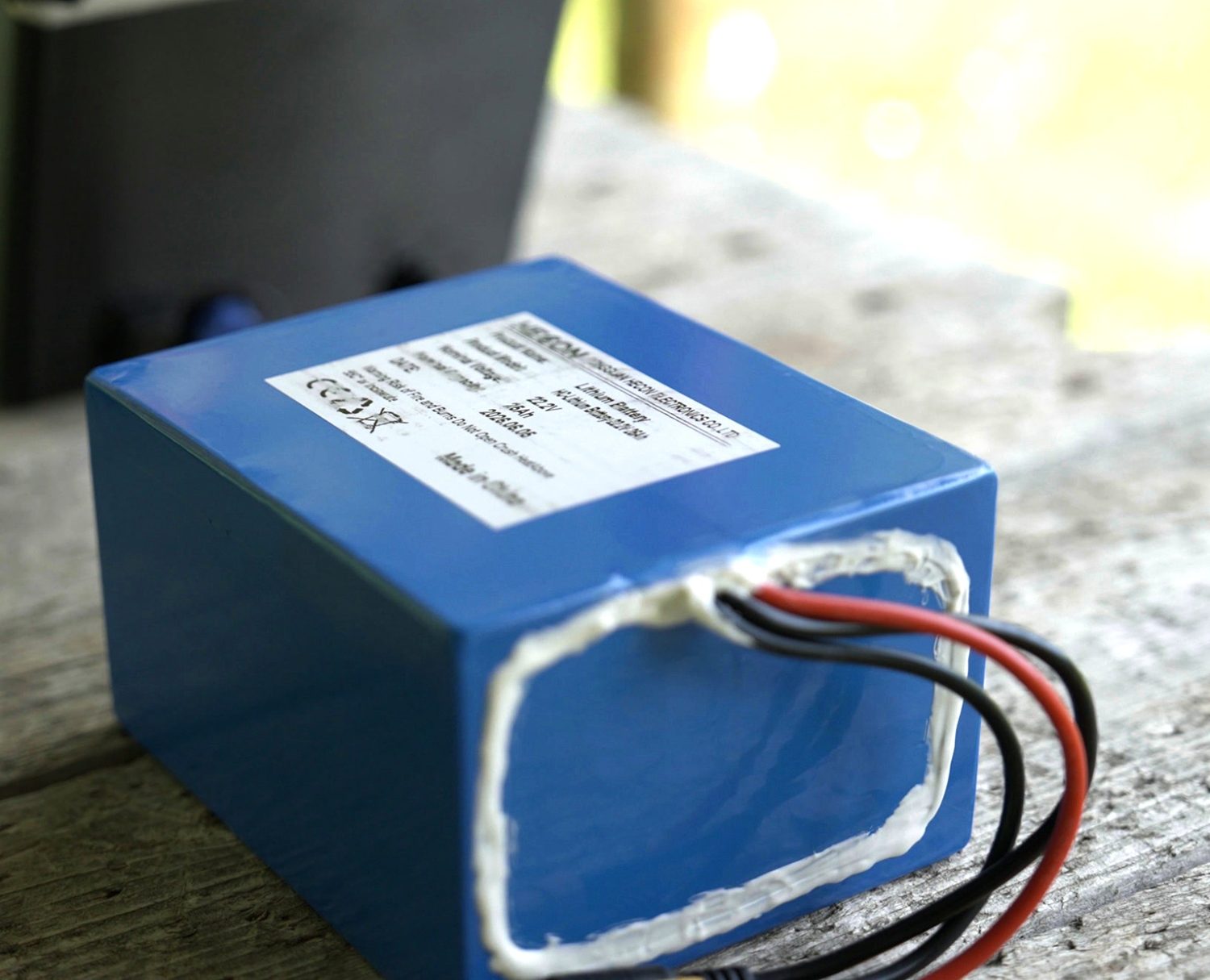
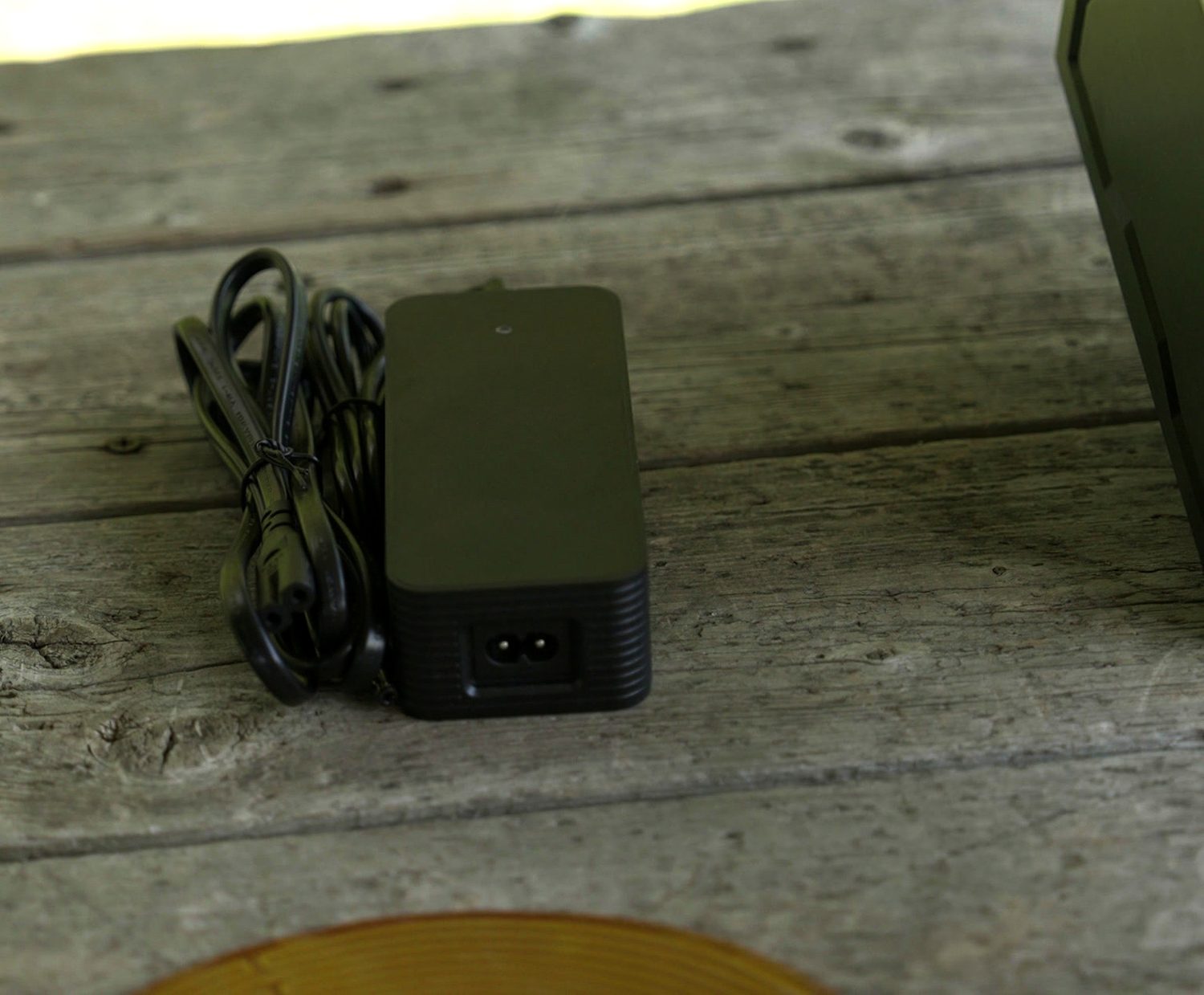
Runtime is 5 hours per charge on the big battery at 100 watts, and recharge from dead takes about 6 hours. Cold weather helps rather than hurts: we filmed it at −10°C holding a clear silhouette while drawing only 30 watts, because a colder background means harder contrast. One customer running 12 V batteries on a DIY setup reported: "Those 12v batteries kept the targets heated for at least 3 hours in 50F weather." A purpose-built insulated system does better, on less power, with a dial. If you have priced the DIY route, read our DIY thermal target breakdown first.
Weather-wise, any rain is fine — it just can't go underwater. All the electronics sit behind the steel, so getting shot isn't a normal-use issue, and two spare heater elements ship in the box anyway.
This is also the only model that carries the long-range story. If you are training spotters or running a thermal optic past a few hundred meters, the electric is the one you want.
What the solid-fuel heated target does that electric can't
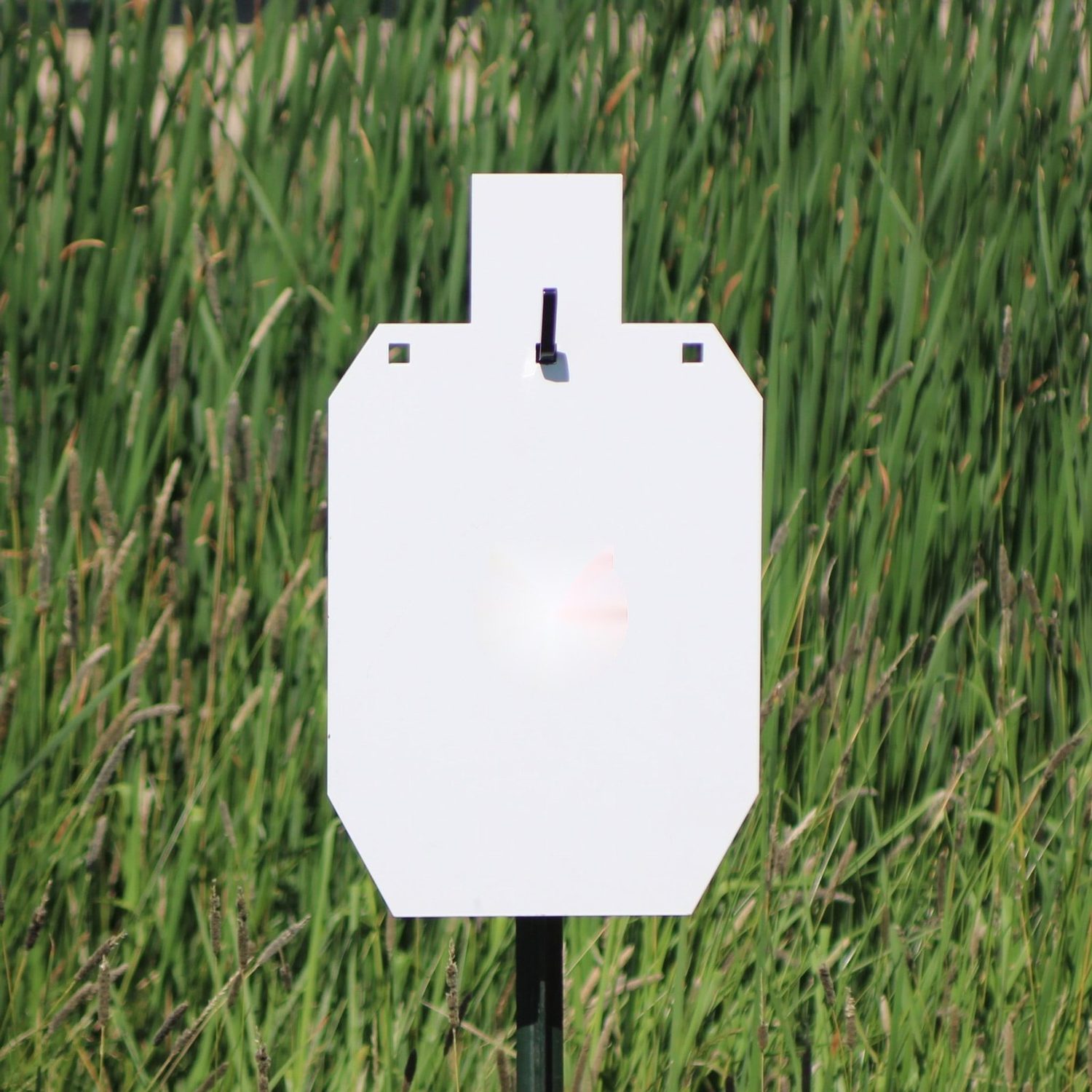
The DRX1 Solid Fuel Thermal Optic Target is the simple, rugged option. It is a welded steel firebox that bolts to the existing upper mounting holes of an unmodified IPSC silhouette — 66% or 100%, no drilling, no cutting, no tools. Load it with regular charcoal briquettes (around $29.99 a pack at any retail store), light it, and it holds a signature at least 20°C above ambient across the target face for 3+ hours per load. No re-stoking. You're shooting, not tending a fire.
There are no batteries, no cables downrange, no controls, and no charger to forget. Nothing dies mid-session and nothing stops working at −20°C. That matters for the shooter who told us: "I was just thinking it would be nice to paint 3-4 plates and leave them on my range... Trying to avoid set up time and bringing more materials out."
It also matters for steel that lives outside. Another customer put it plainly: "The only reason I mentioned that some of my steel hangs year-round. Be nice to pop the heater off when not in use." The Firebox does exactly that — it bolts on and off in minutes, so your plates keep hanging year-round and the heat comes out only when you shoot.
One rule: outdoor use only. Charcoal produces carbon monoxide.

Does heating the steel damage it?
No, on either model. Both systems are designed to keep the plate below the temperature where AR500 starts to soften. The heat sits behind the steel with an engineered air gap and insulation, and the Firebox carries a hard ceiling below 200°C under any condition, including a component failure. AR500 doesn't begin tempering until well past that, so the plate keeps its hardness for its whole service life. If you want the physics of why plain steel is invisible to thermal in the first place, see why steel targets are invisible on thermal.
Spec comparison
Spec | DRX1 Electric Thermal Optic Target | DRX1 Solid Fuel Thermal Optic Target |
Heat source | Electric element, battery powered | Retail charcoal briquettes (~$29.99/pack) |
Runtime | 5 hours per charge at 100 W | 3+ hours per fuel load |
Temperature | Adjustable via dial, up to ~100°C | Fixed by fuel, ΔT ≥ 20°C above ambient, hard ceiling below 200°C |
Recharge/reload | ~6 hour charge from dead | Reload and relight, warm-up ≤ 10 minutes |
Electronics | Sealed battery and controls box, behind the steel | None — fully passive |
Weather | Any rain is fine, just can't go underwater | Wind to 50 km/h, light rain OK, −20°C to +50°C |
Mounting | Complete system: AR500 IPSC silhouette + rear heater | Bolts to unmodified 66% or 100% IPSC, no tools |
Best for | Long-range, sniper training, set-temperature detection work | Short-range sport and training: handgun, PCC, rifle |
Distance | Out-glows a human at 300 m, unmistakable at 400 m, visible at 600 m | Session distances on your existing steel |
Which one should you buy?
Buy the DRX1 Electric Thermal Optic Target if you shoot long-range, need a repeatable human-temperature signature, or train at night in serious cold and want a dial instead of a guess. Buy the DRX1 Solid Fuel Thermal Optic Target if your steel hangs year-round, you refuse to manage batteries, and your sessions are inside a few hundred meters. Plenty of ranges will end up with both: Firebox on the pistol and carbine bays, electric on the long lane.
New to the category? Start with what a heated thermal target is and come back to this comparison.

FAQ
How long does the battery last on the electric model?
Five hours on a charge — 5 hours at 100 watts holds a 66% IPSC plate at 100°C. It ships with the big battery only, and recharge from dead is about six hours. At −10°C the target held a clear signature drawing only 30 watts, so cold sessions don't gut the battery the way you'd expect.
What fuel does the Firebox burn? Do I have to buy special stuff?
Regular charcoal briquettes, around $29.99 a pack — the same bag you'd grab for a barbecue, from any retail store. No proprietary flares, no HAZMAT shipping, no special orders. Your fuel supply is the nearest gas station.
Won't heating the steel ruin it? AR500 softens with heat.
No. Both systems are engineered to keep the plate below the temperature where AR500 starts tempering, and the Firebox holds a hard ceiling below 200°C even if a component fails. There is no setting, fuel load, or failure mode that lets the target exceed it.
What happens when I shoot the heater on the electric model?
You won't in normal use — all the electronics sit behind the steel plate, so the plate is the armor. If a round does find the heater, it's likely only the element that needs replacing, and two spare heater elements ship with every unit.
Can I use the steel targets I already own with the Firebox?
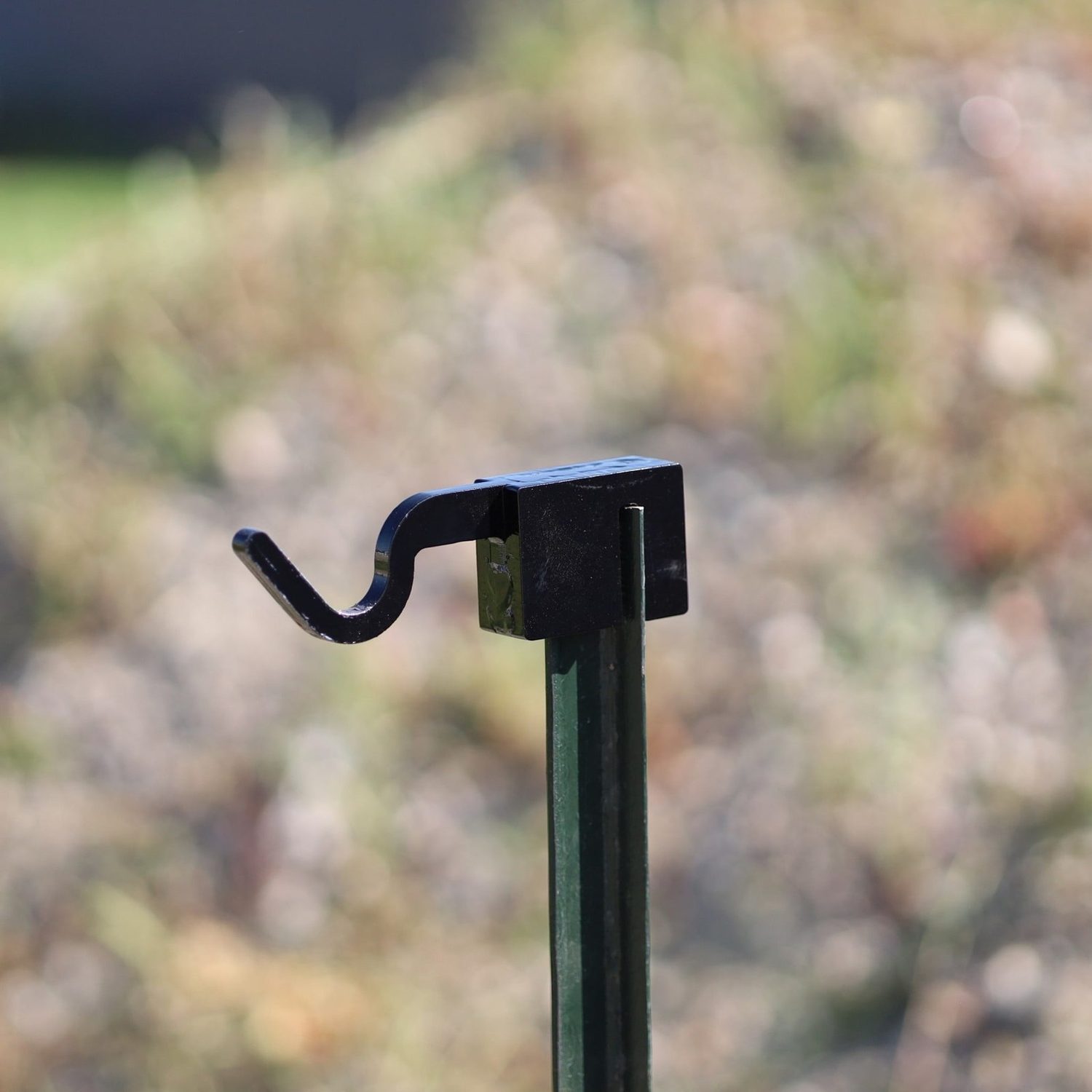
Yes. It bolts to the existing upper mounting holes of an unmodified IPSC silhouette, both 66% and 100%, with no drilling, no cutting, and no tools. It works with T-post and chain mounting and doesn't block your stand bracket.
Does either target work in the dark, in fog, or on cloudy days?
Yes, both — they radiate their own heat instead of reflecting the sky, so dark, overcast, fog, and snow don't matter. The electric model was filmed holding a clear silhouette against a −10°C background through a thermal optic.




Comments